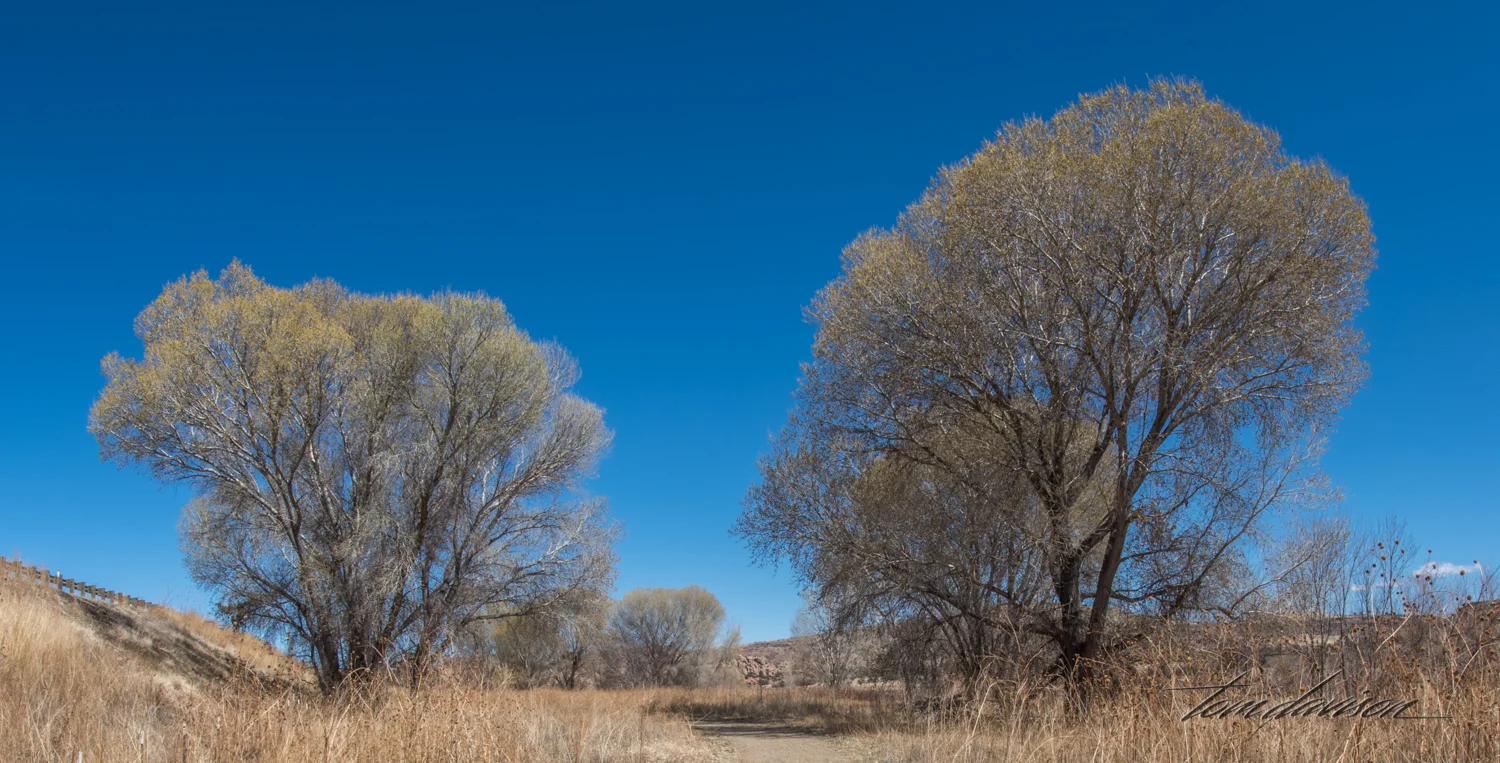
Fossil Falls

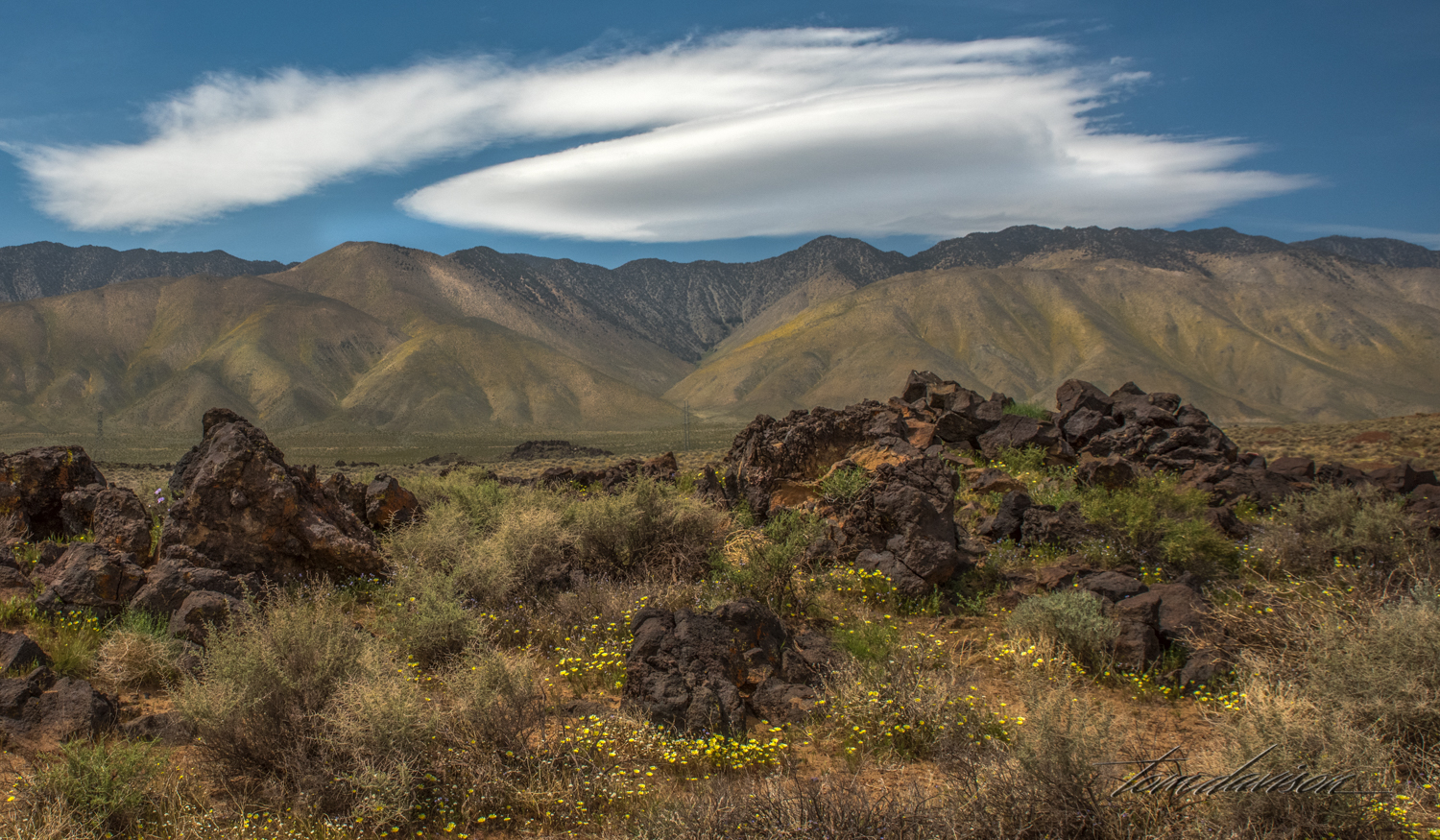
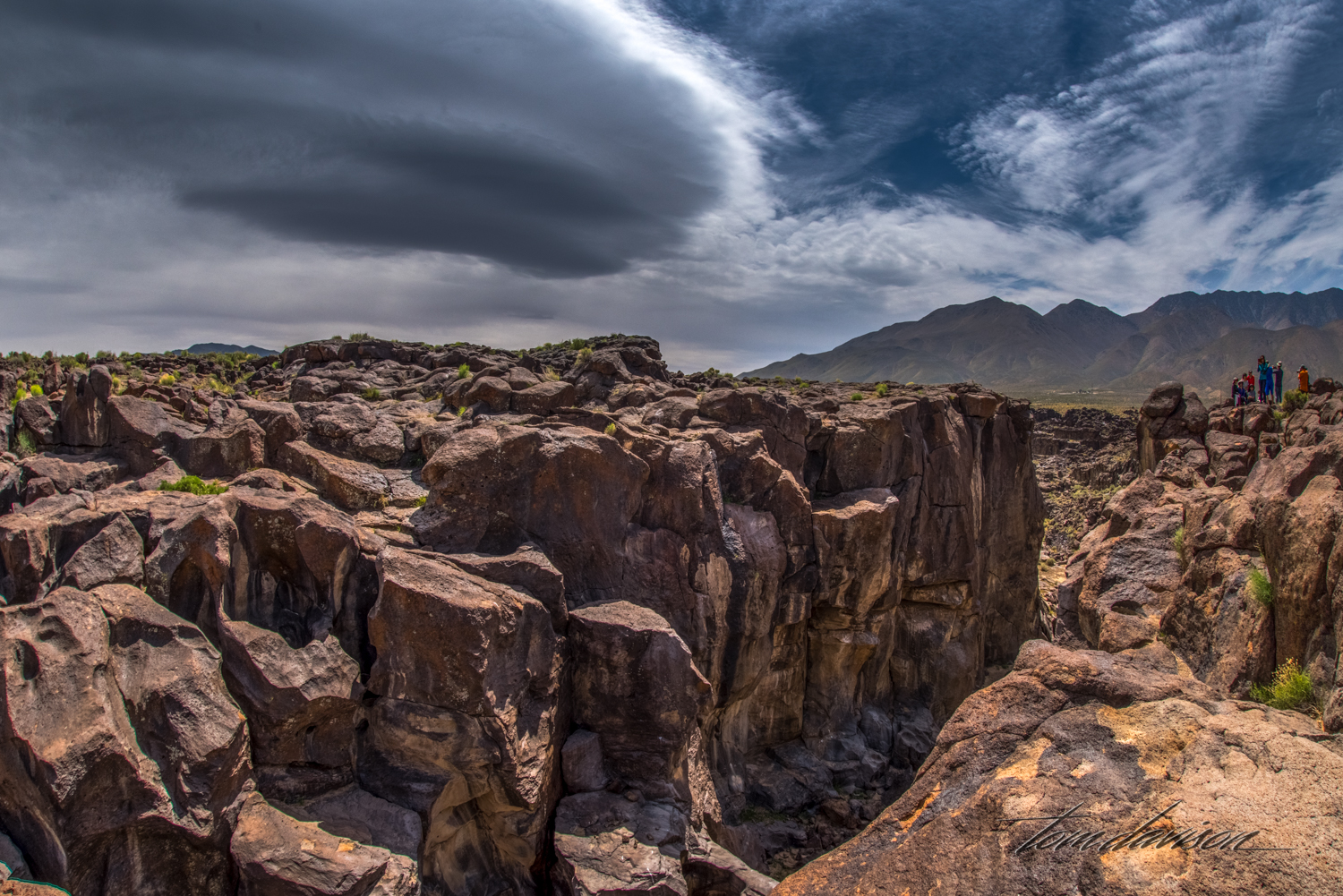
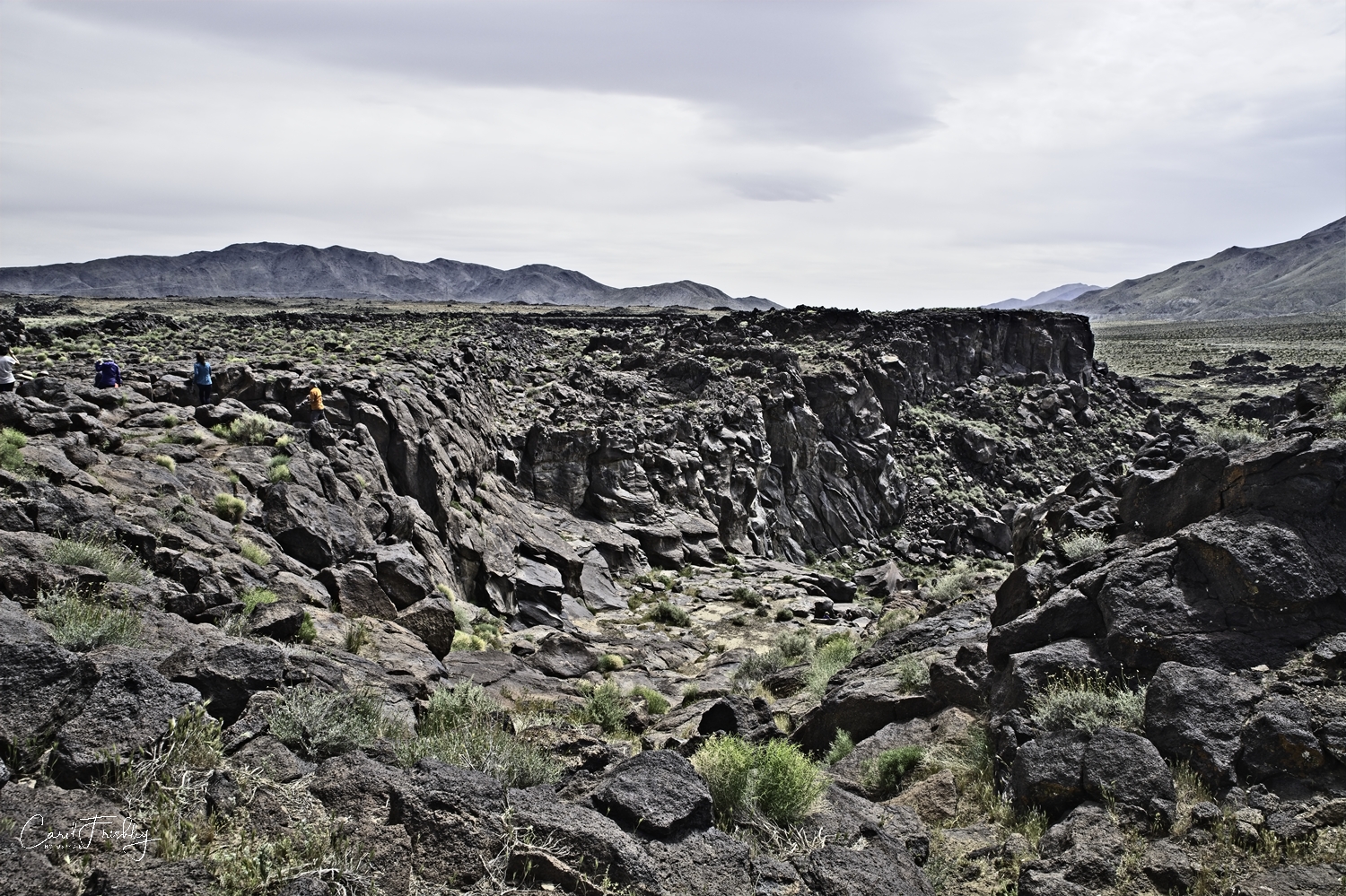
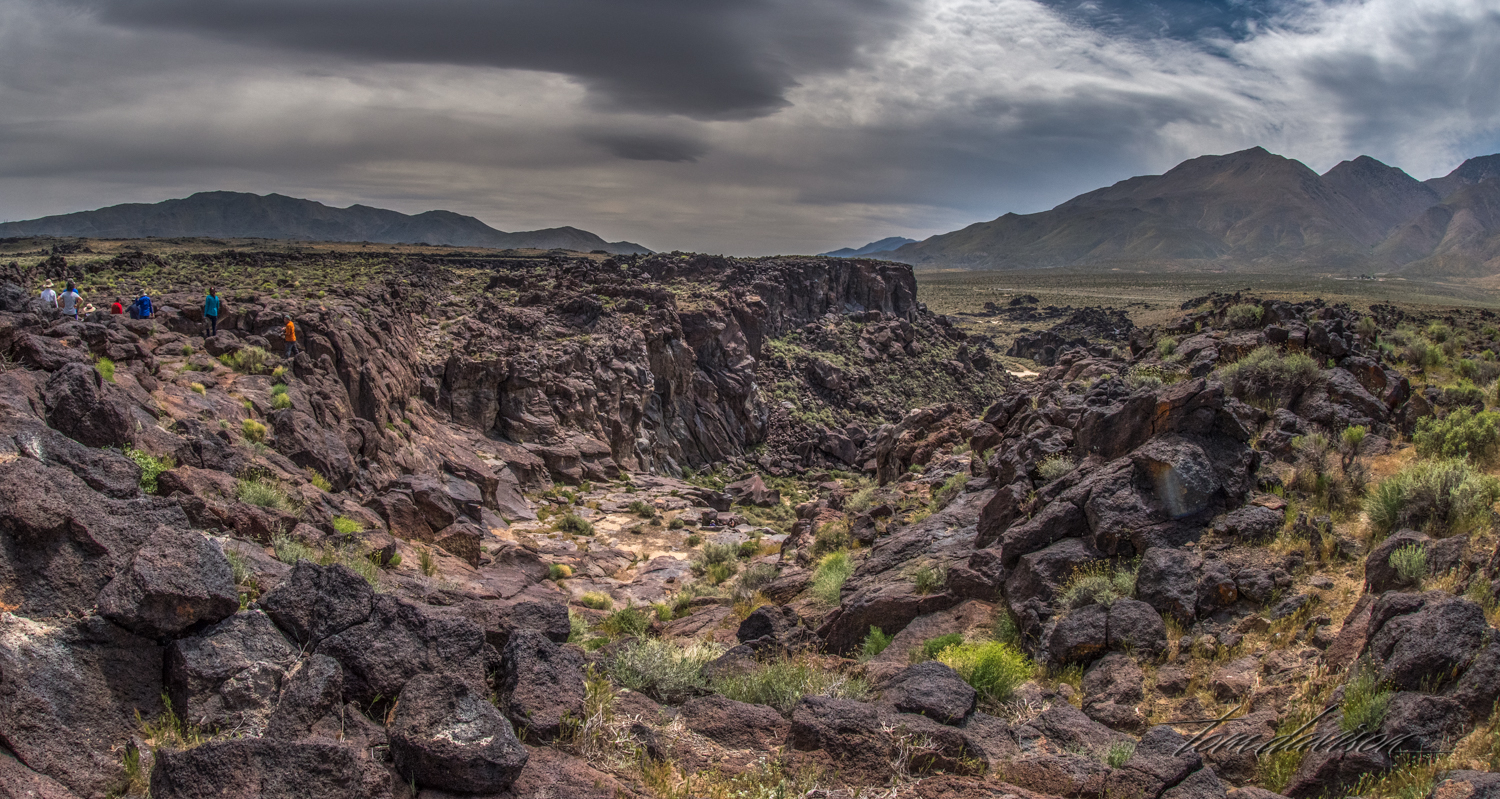
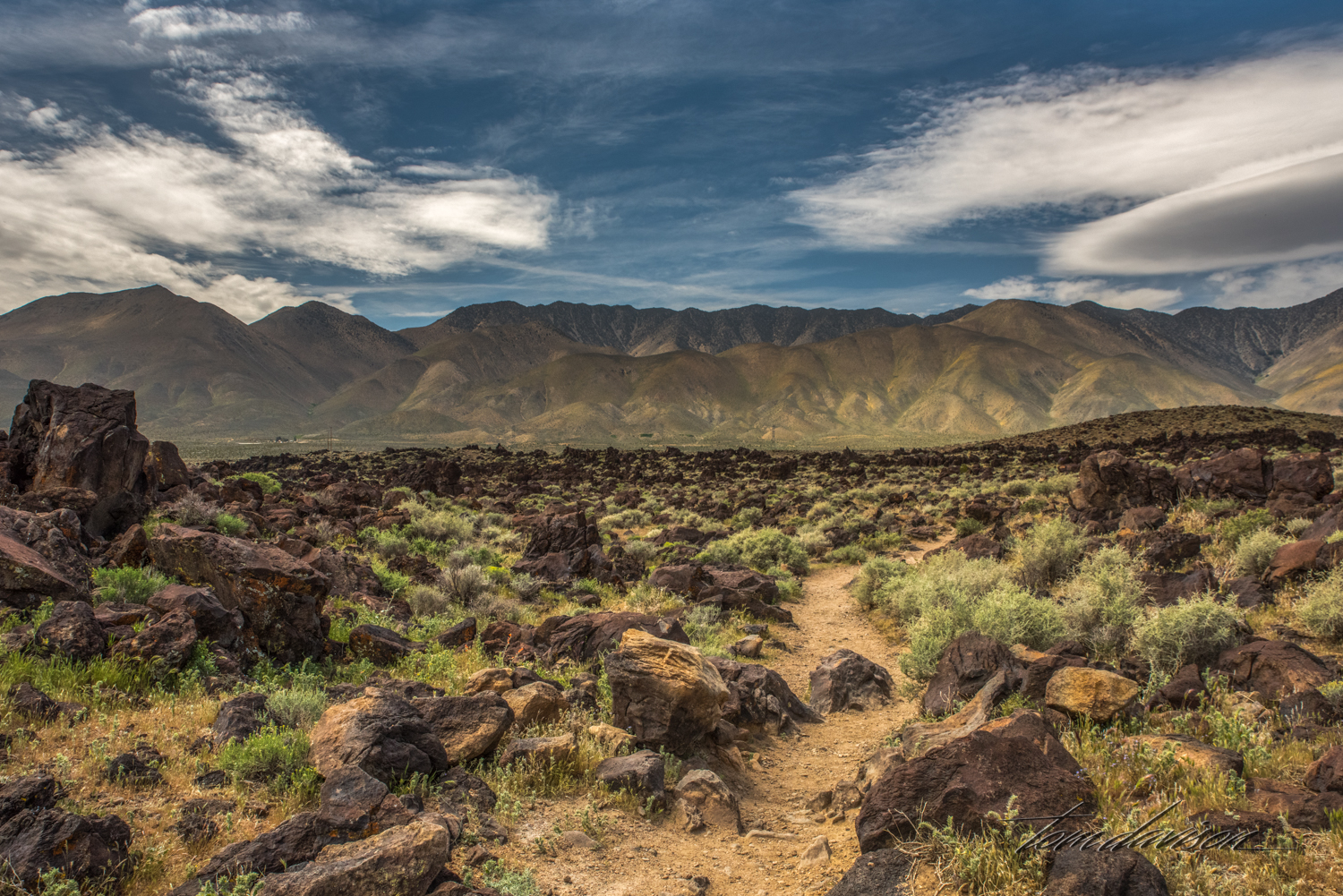
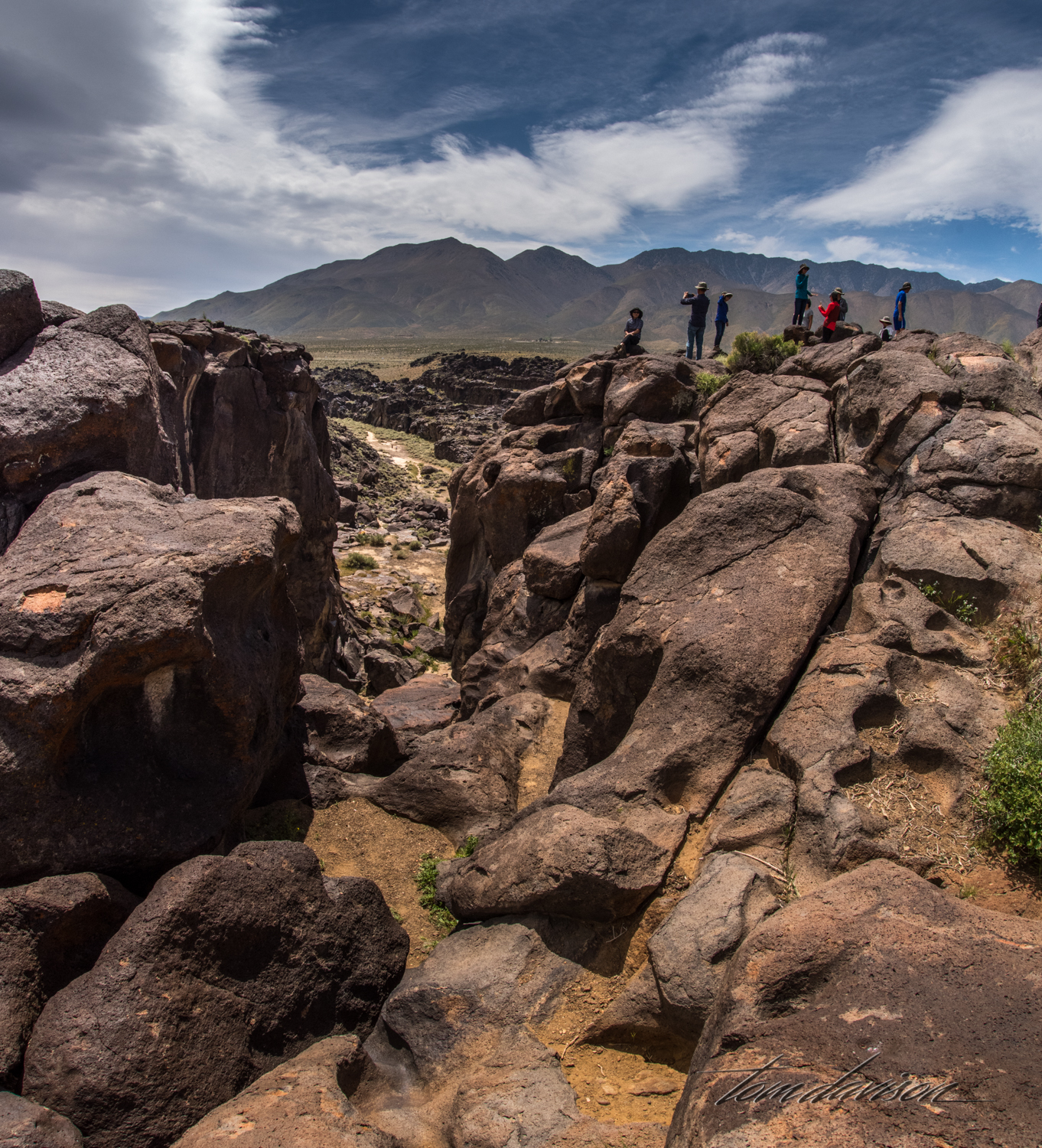
What an interesting name!  Surely must be checked out.  The falls are located in a rugged landscape west of the Coso Mountain Range and easily accessed from Highway 395. About 440,000 years ago there was an active chain of small volcanoes that erupted many times, inundating the area with slow moving basalt lava flows. During the last ice age the Sierra Nevada mountains to the west were covered with ice. During that time large lakes formed in the basins between the Sierras and what is now called Death Valley. The Owens River flowed out of Owens Lake. Volcanic eruptions from the Coso Mountains changed the river's course numerous times. Fossil Falls was formed when the Owens River was damned by an eruption and the river then ran over the basalt, polishing and sculpting the rock into very interesting geologic features.

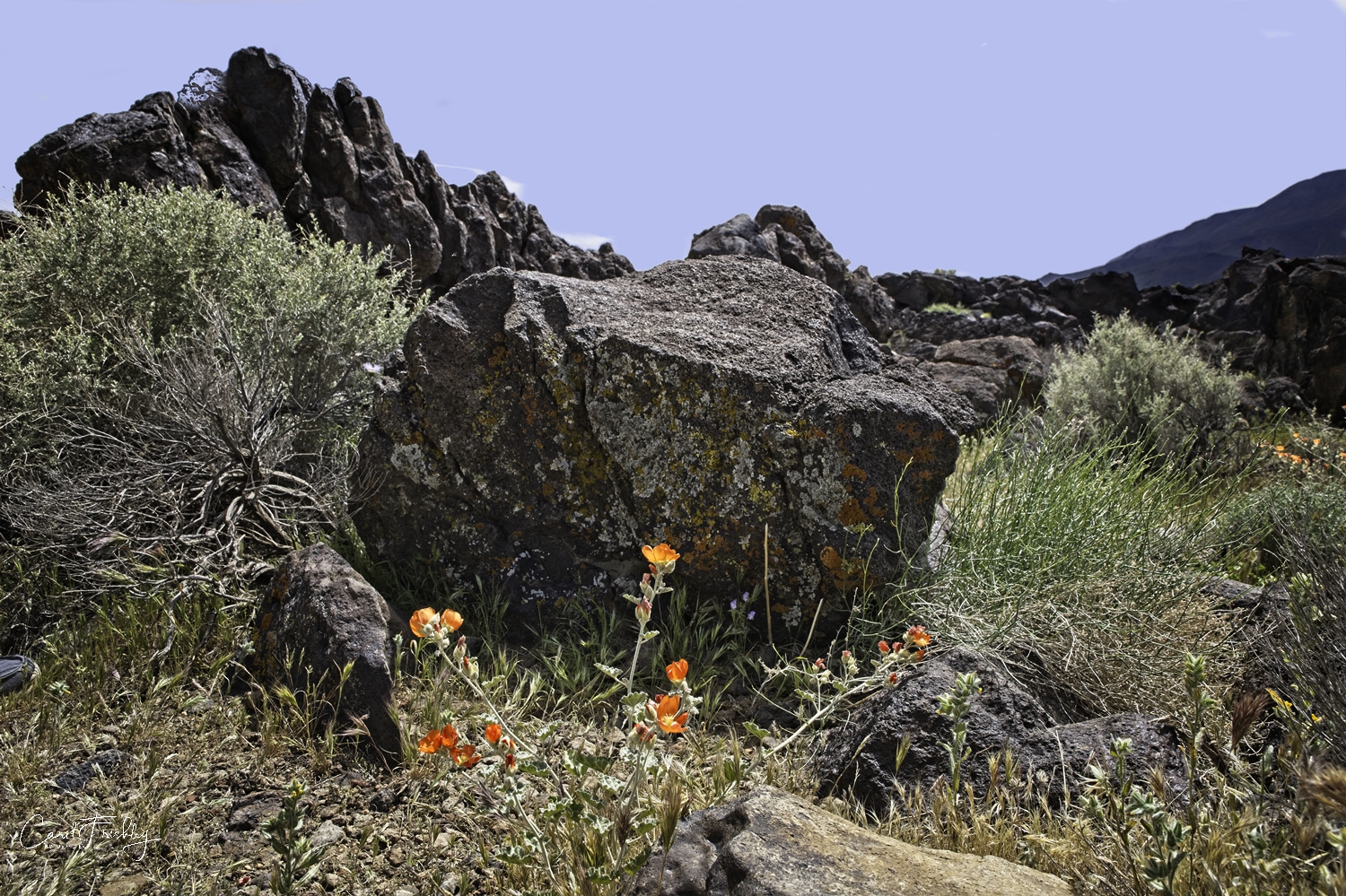
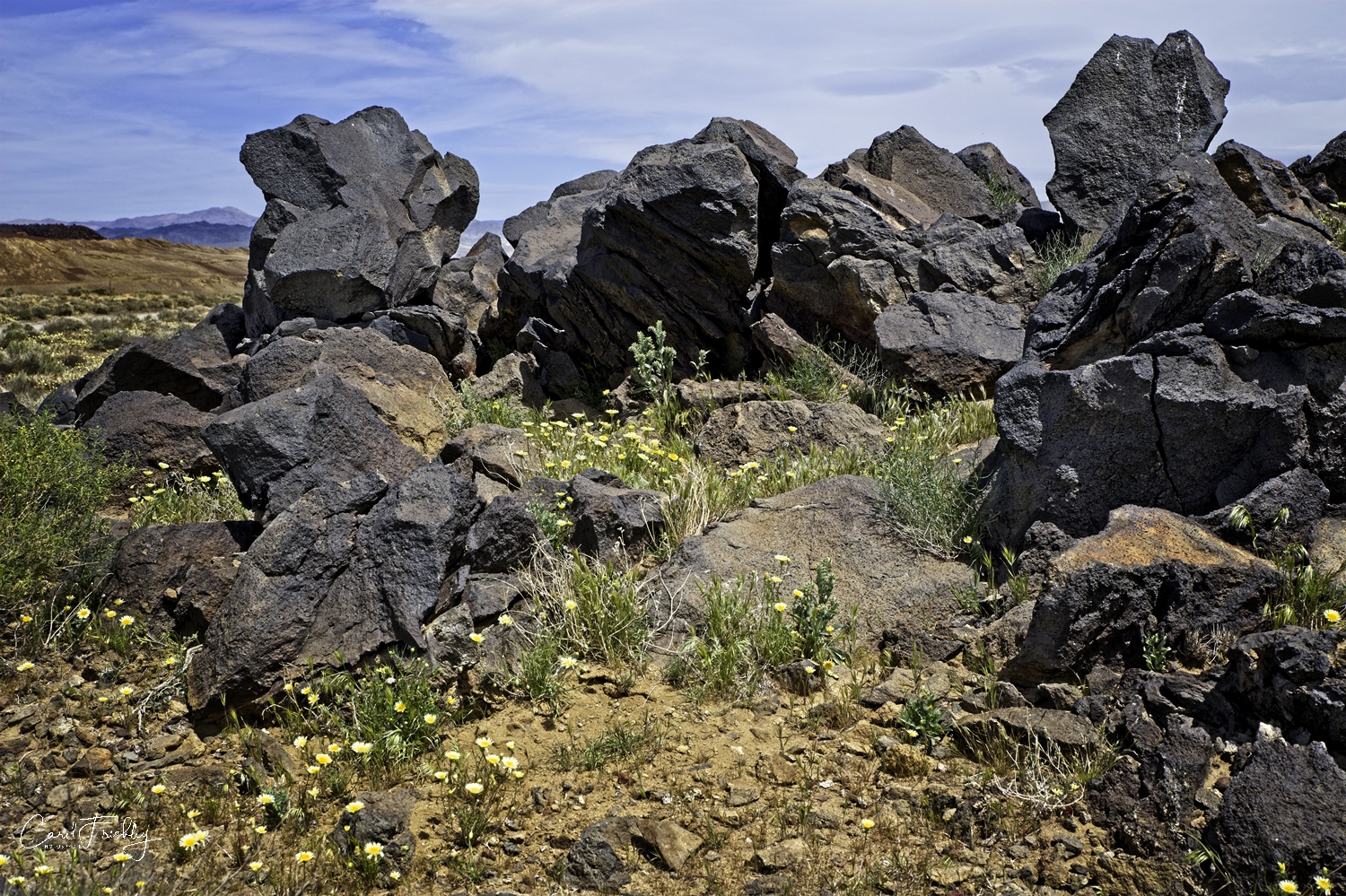
Water no longer flows over the rocks. The short 0.4 mile hike is relatively easy and contains numerous interesting lava rock mounds which, on the day of our visit, were surrounded by some flowers. You can hike back up the stream bed (some distance) and walk in on the floor of the falls. I passed on that opportunity having already met my hiking quota for the week!
Fossil Falls 1.jpg
Fossil Falls TD-3.jpg
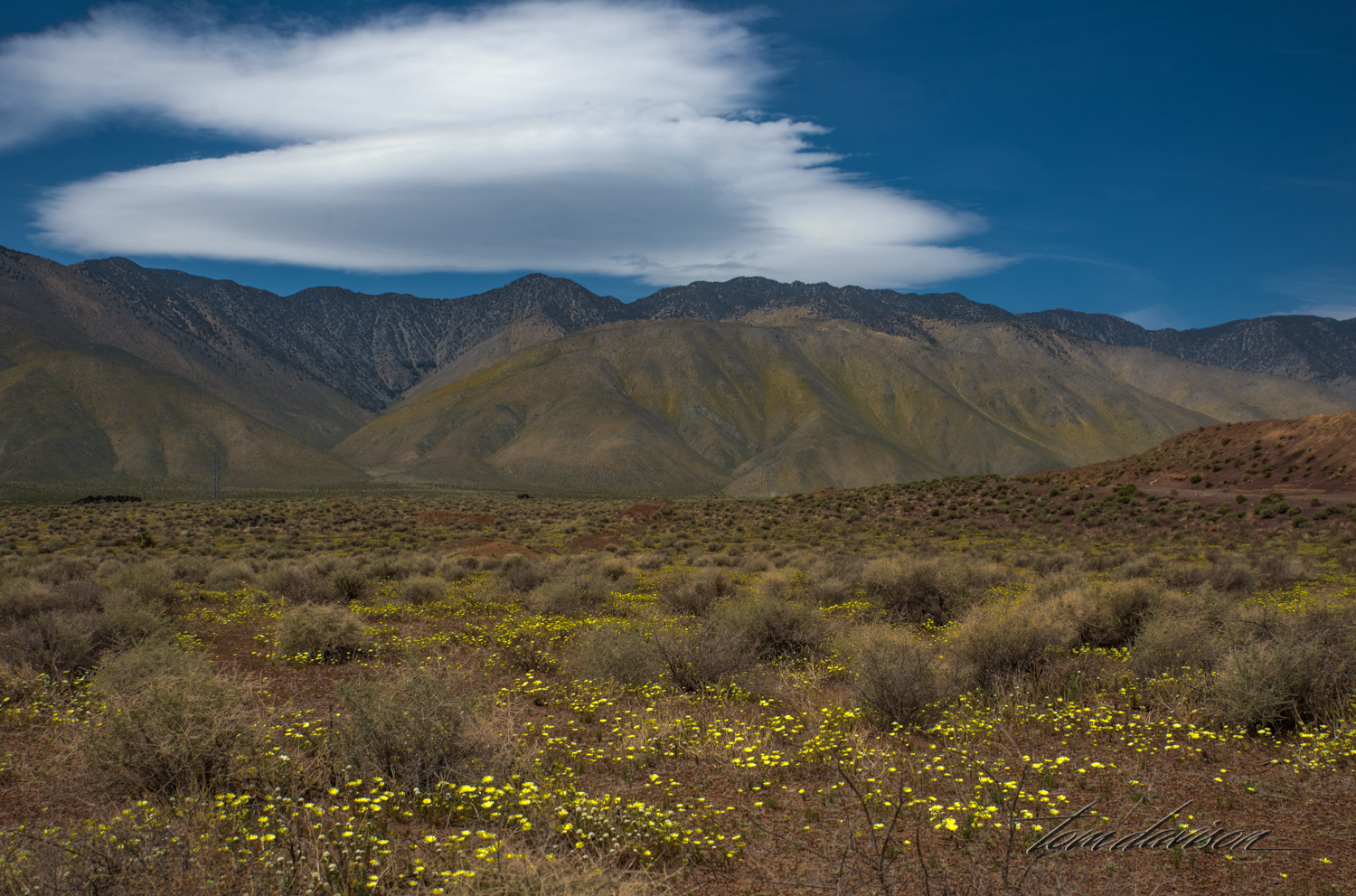
The mountains across the valley have large fields of yellow flowers.
The mountains across the valley have large fields of yellow flowers.
Fossil Falls TD-7.jpg
The path leading back to the dry Fossil Falls.
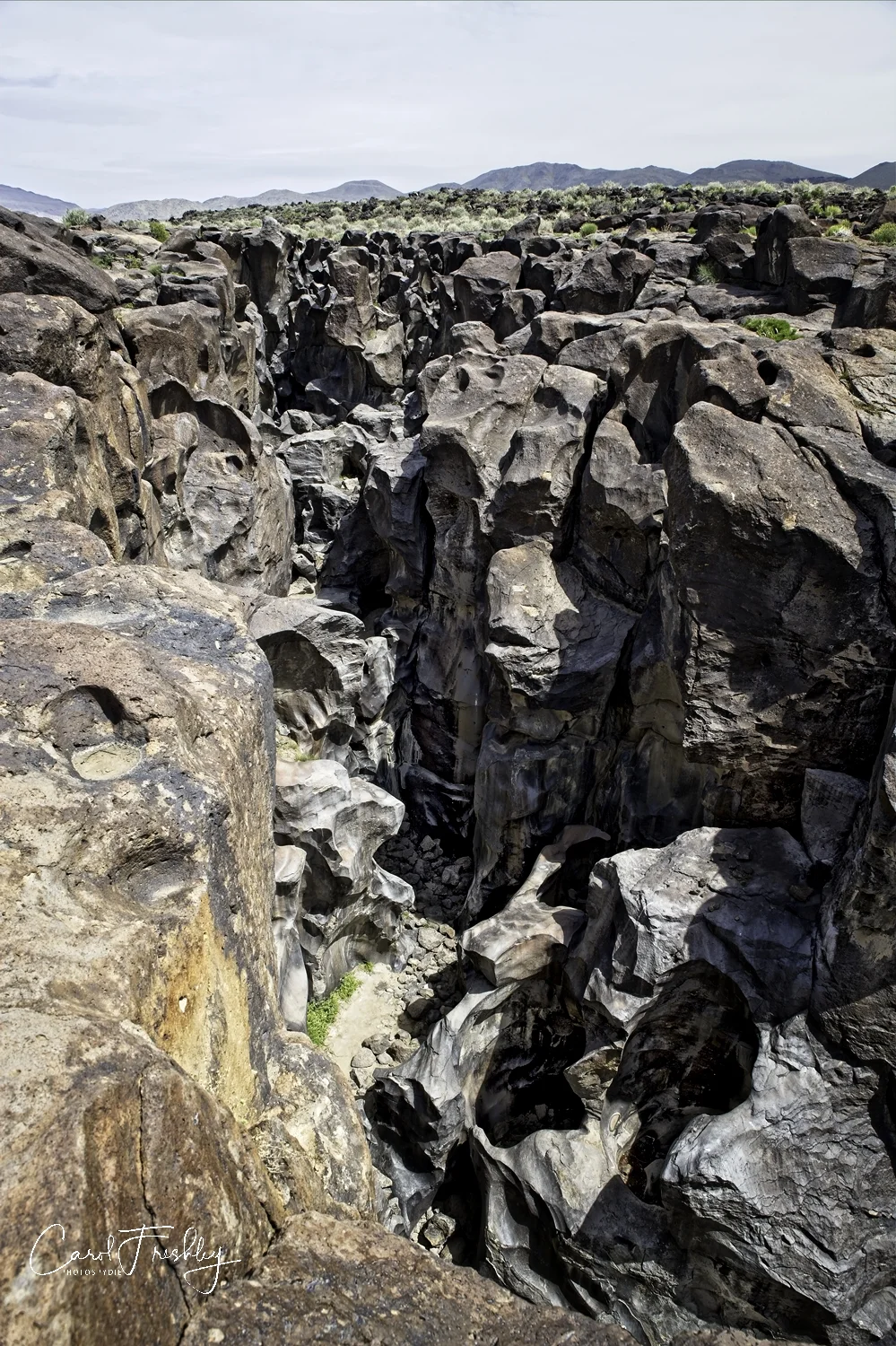
The path leading back to the dry Fossil Falls.

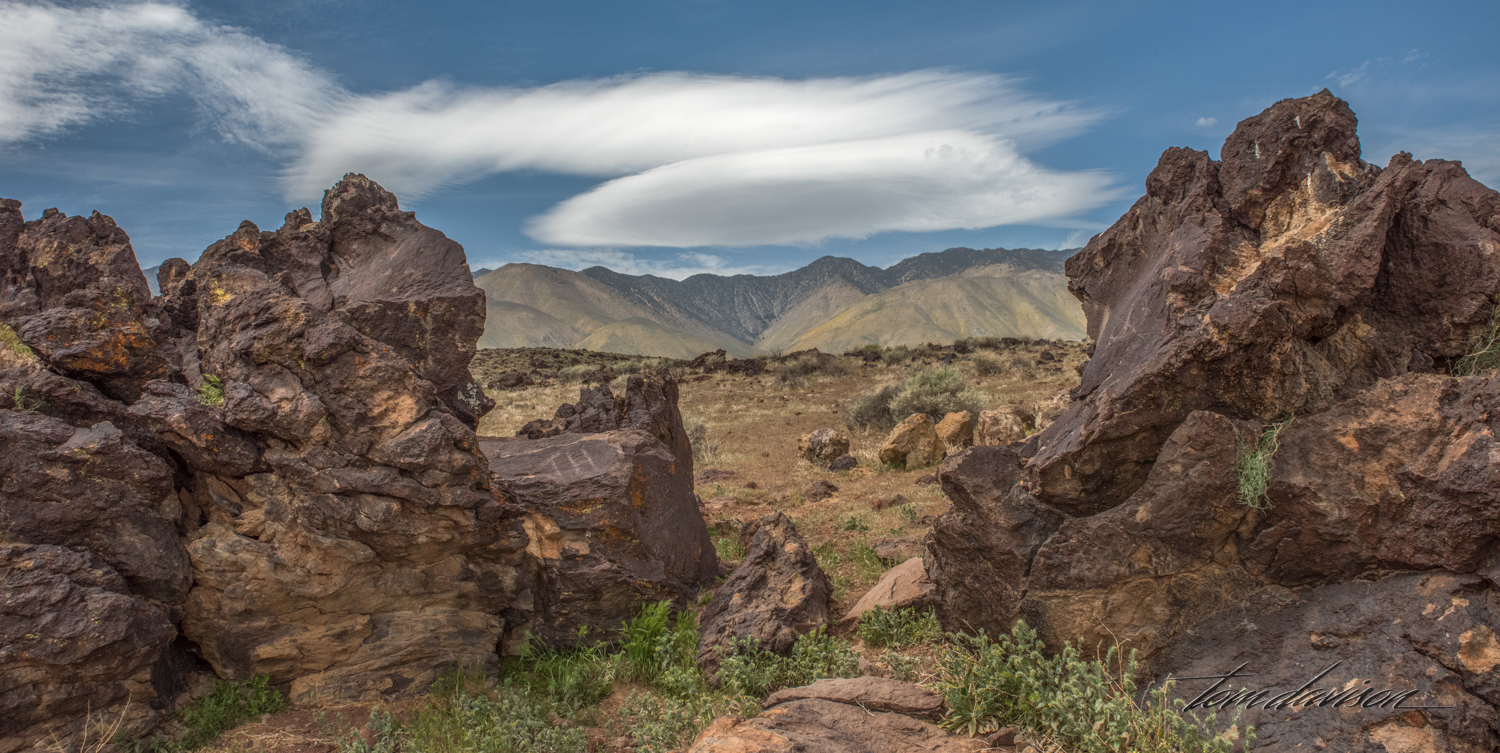
One can only imagine the roaring sound the waterfall must have made as it fell over these rocks.
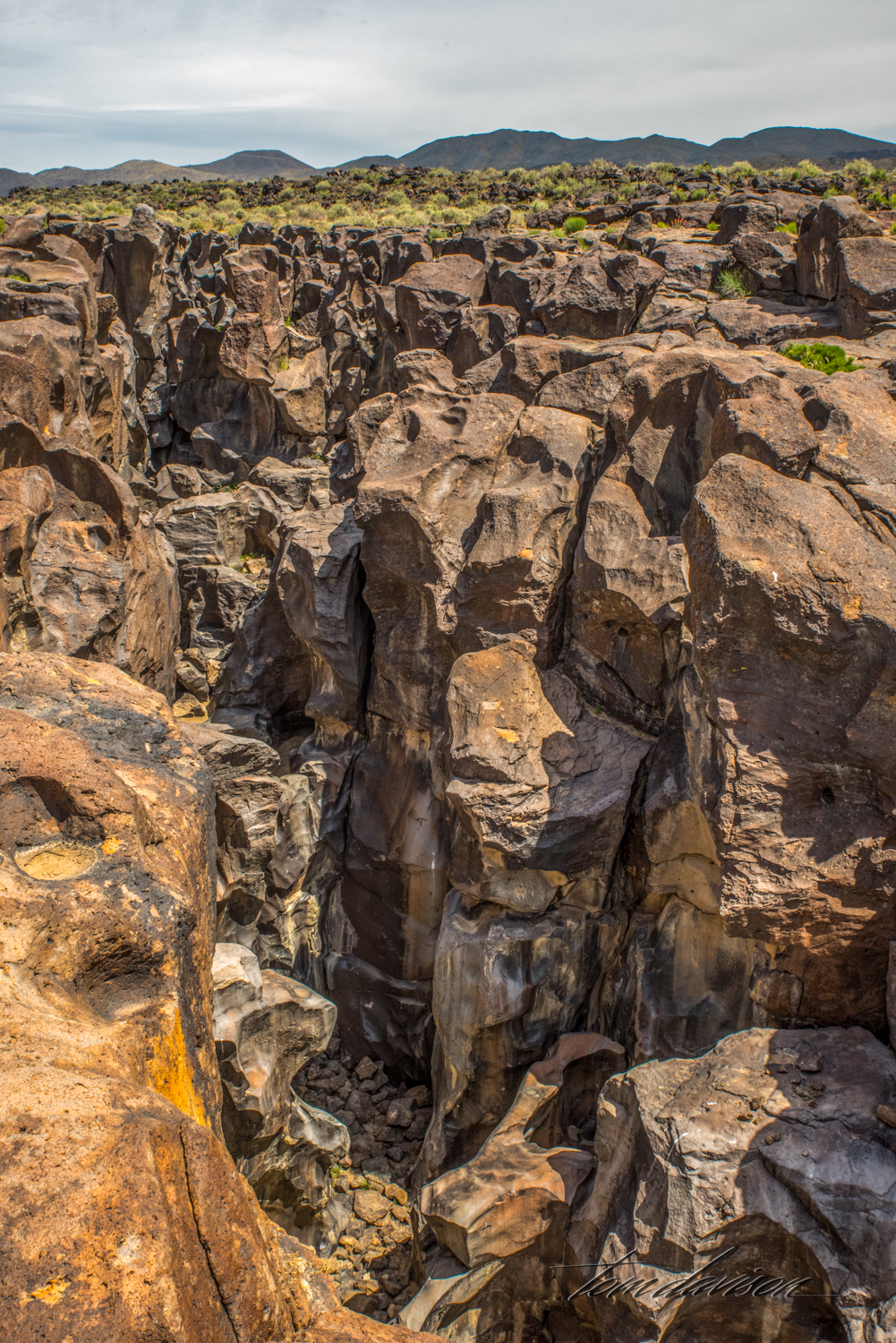
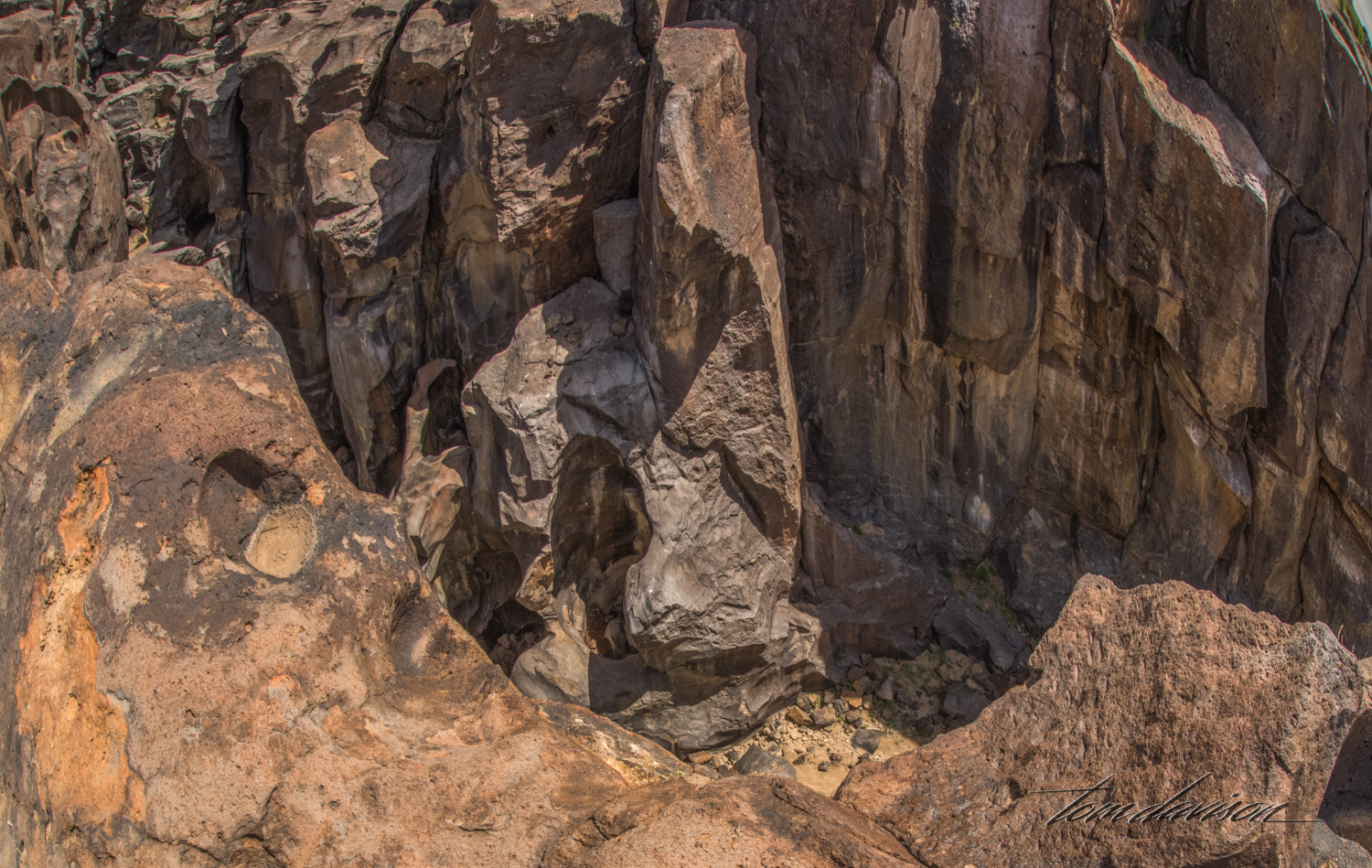
One can only imagine the roaring sound the waterfall must have made as it fell over these rocks.
Fossil Falls TD-10.jpg
Fossil Falls TD-11.jpg
Fossil Falls TD-12.jpg
Fossil Falls TD-14.jpg
Fossil Falls 5.jpg
Fossil Falls TD-16.jpg
Fossil Falls 4.jpg
For Karen.

For Karen.

For Cory.

For Cory.
Zabriskie Point

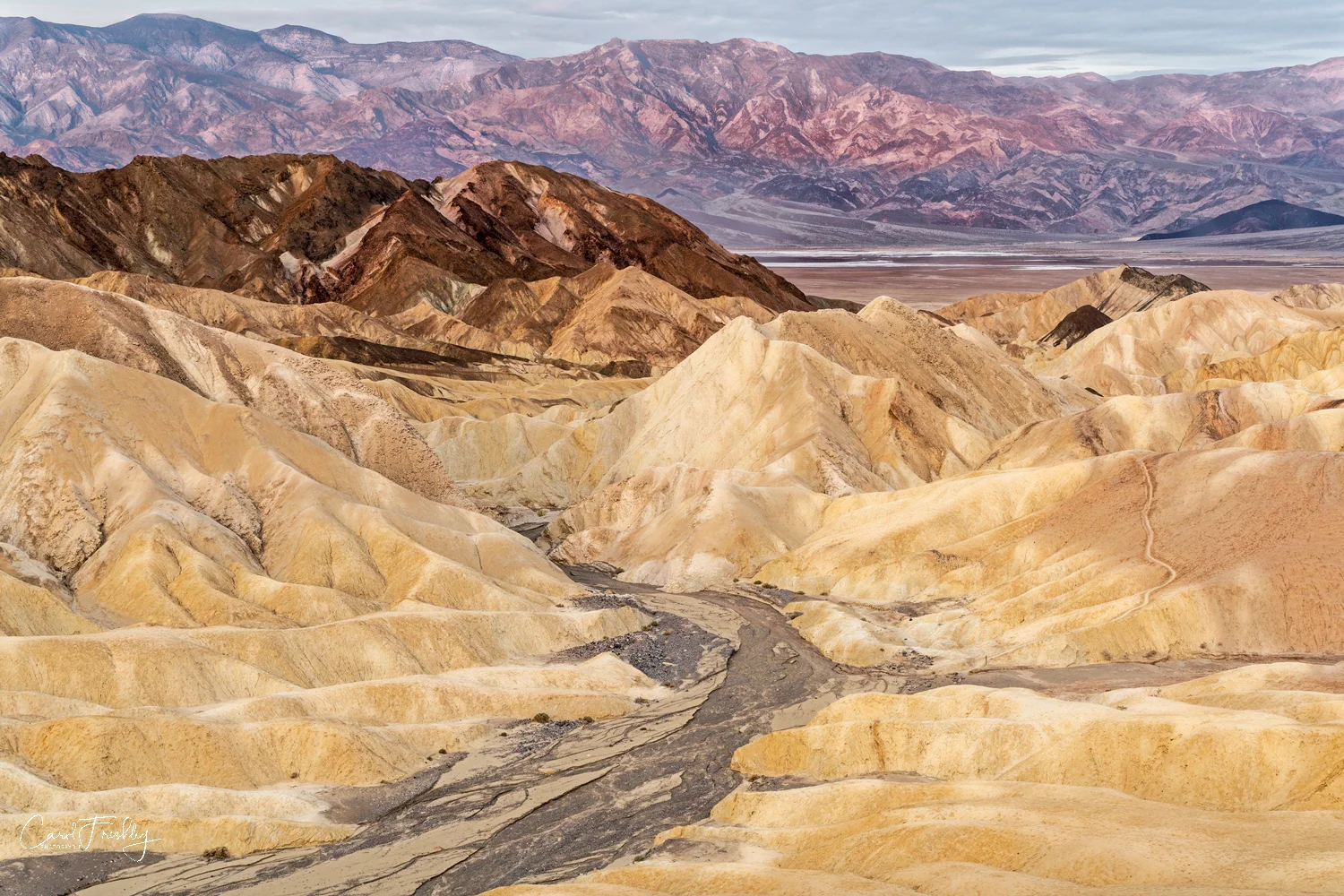
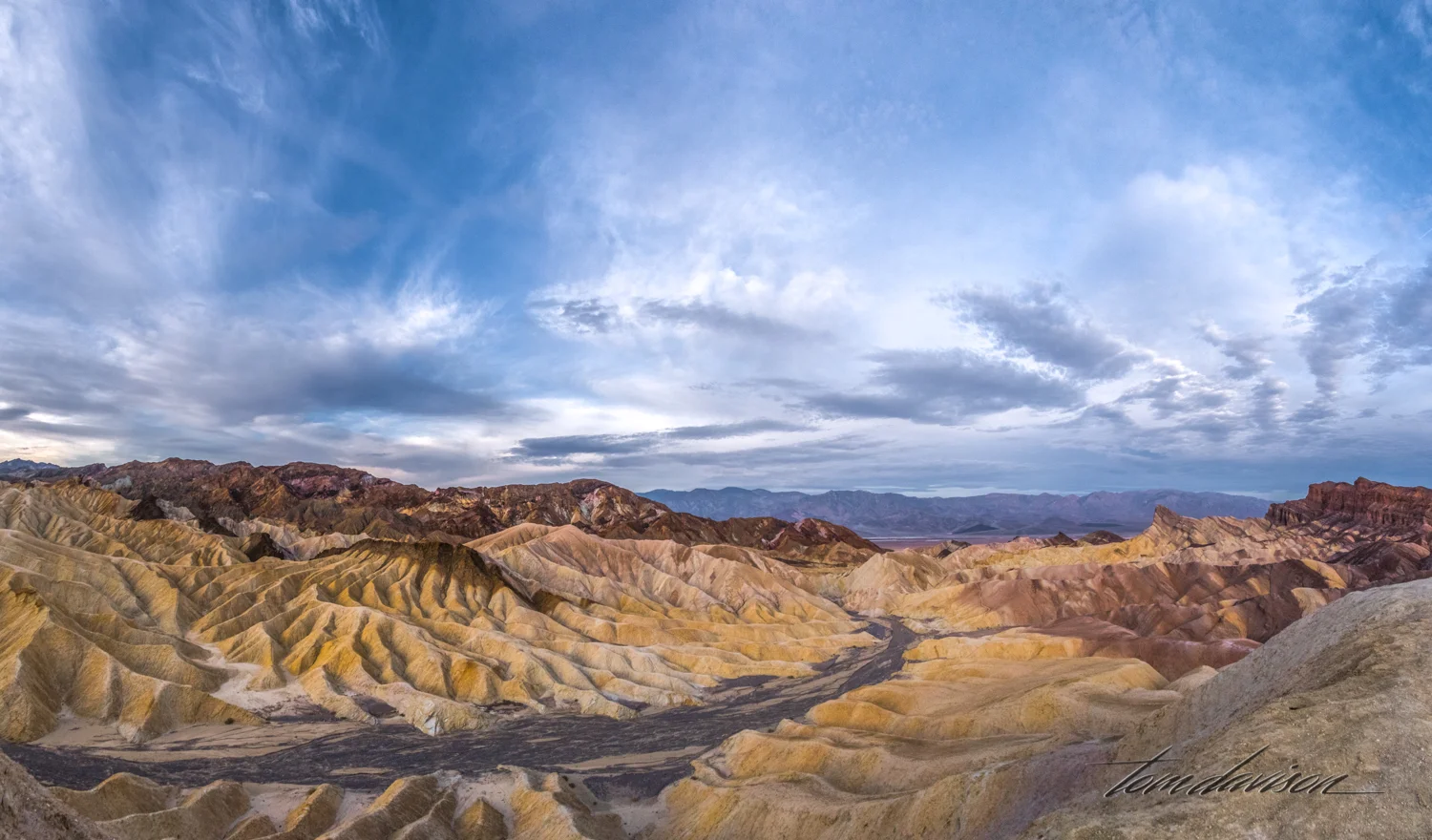
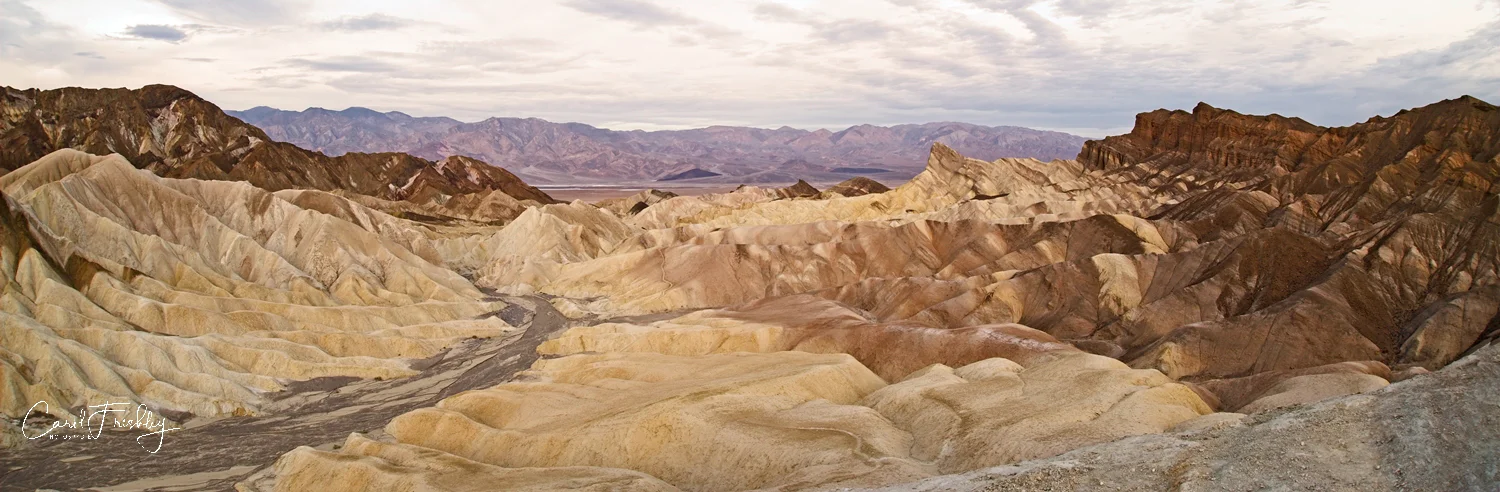
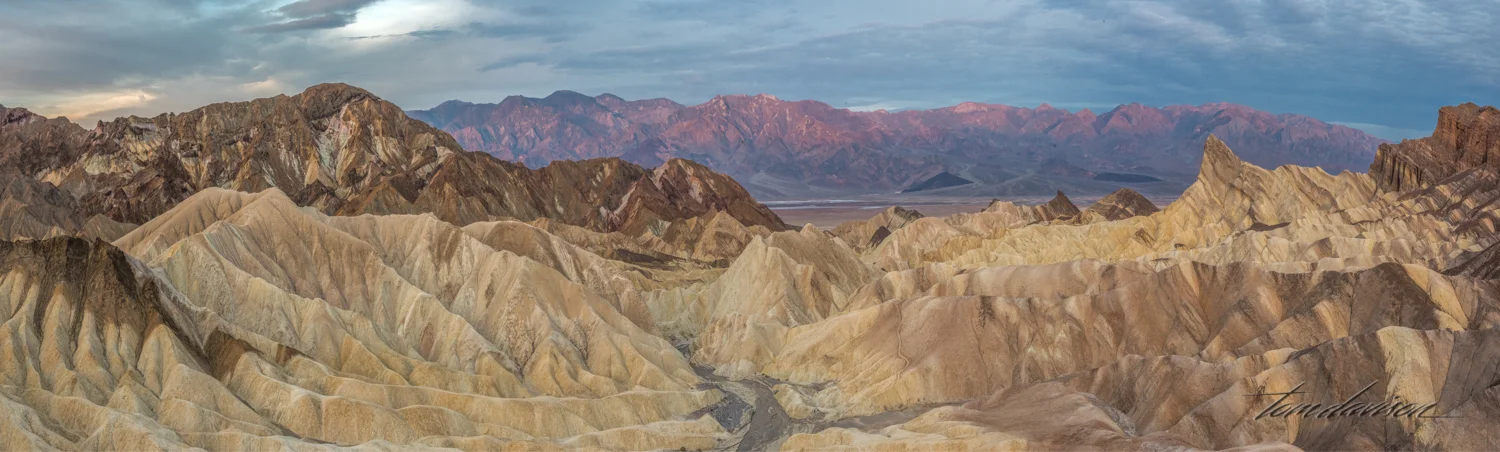
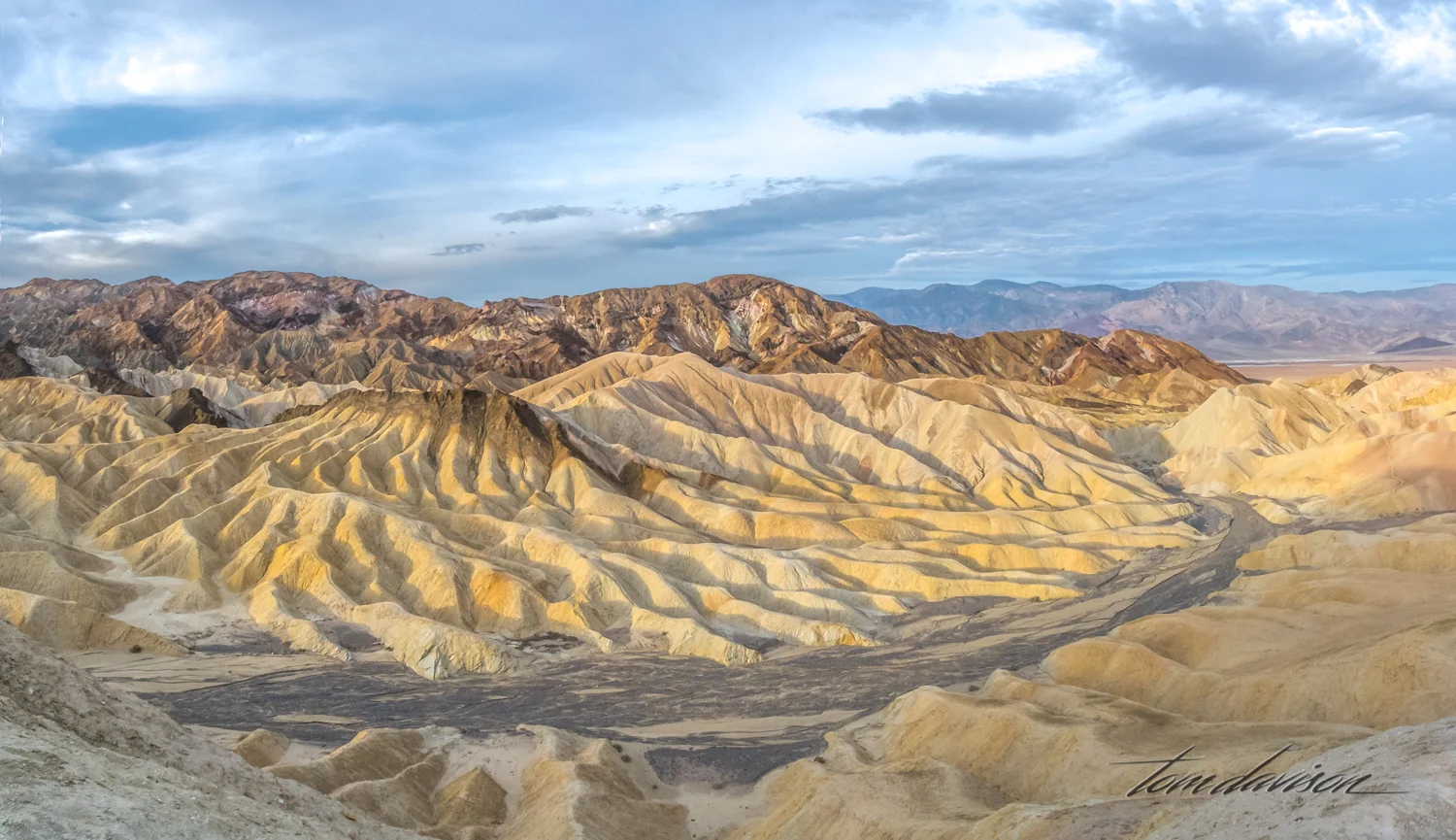
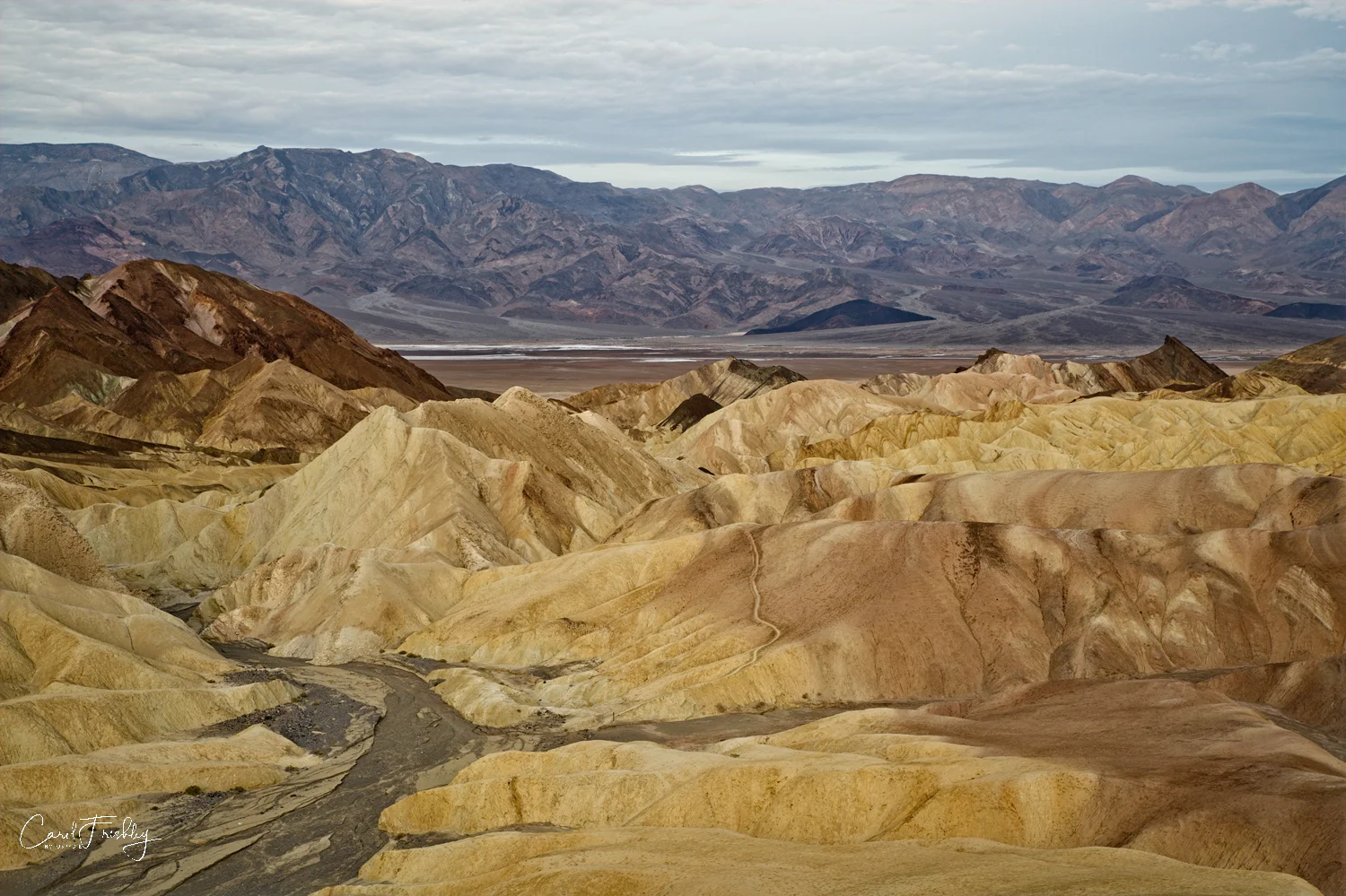
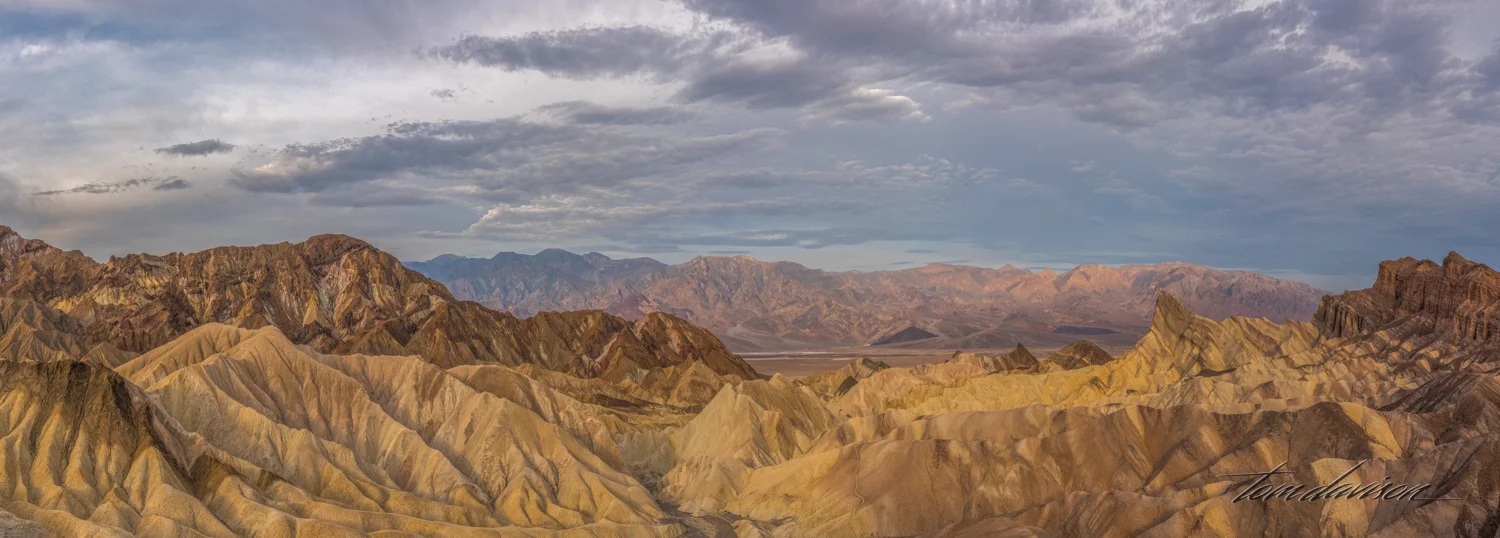
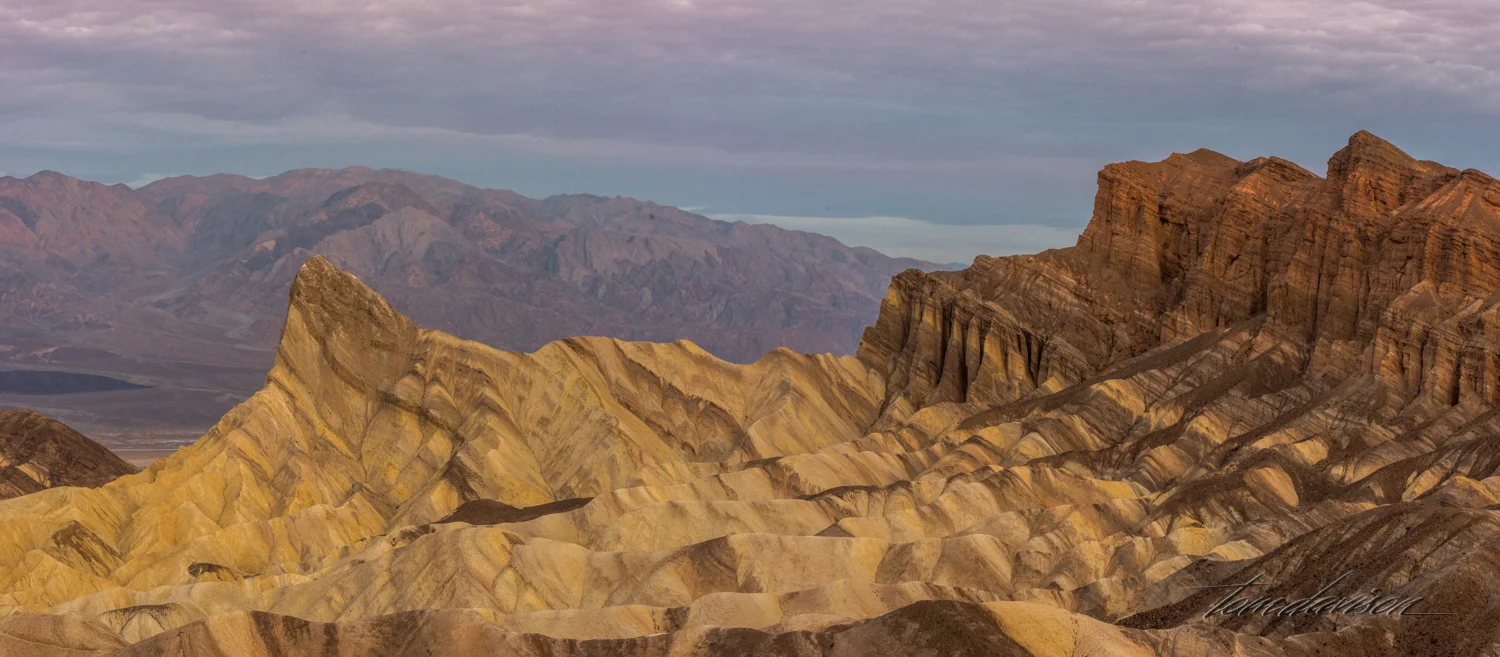
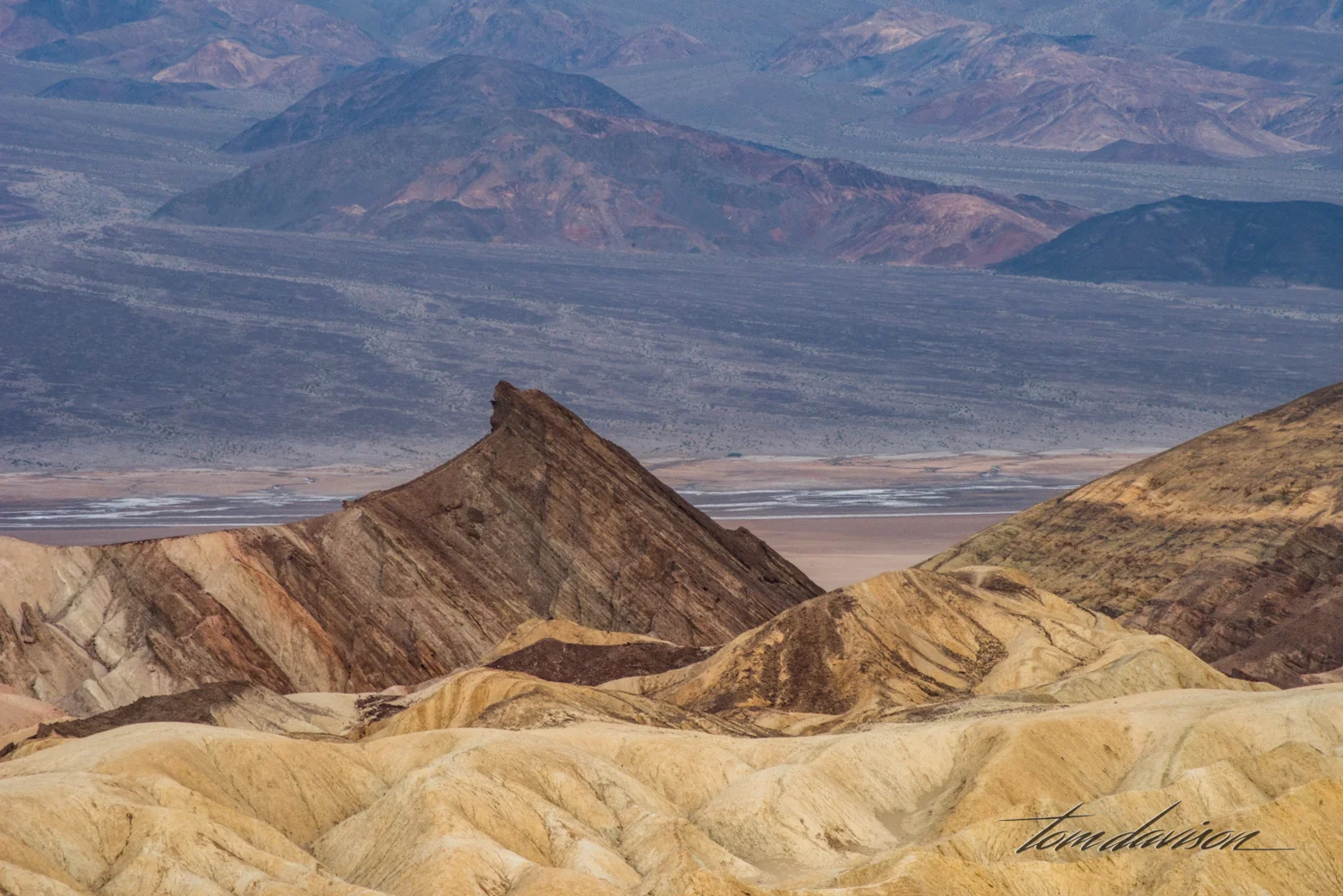
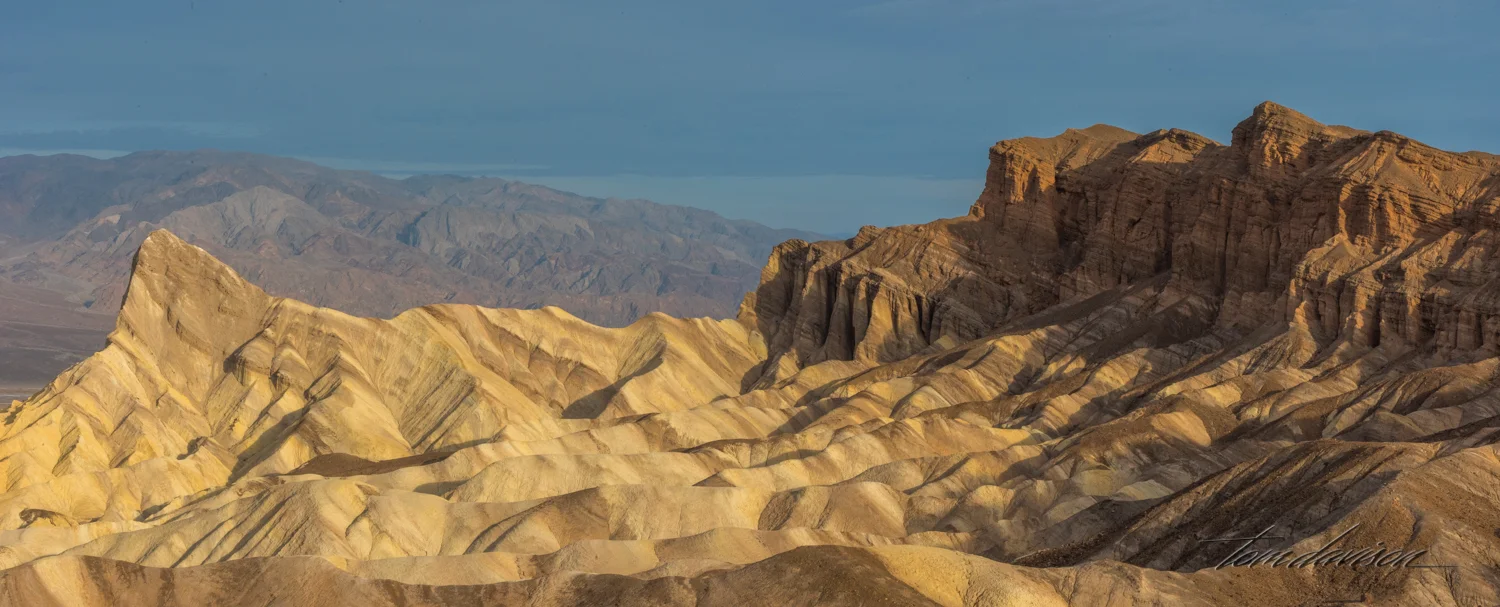
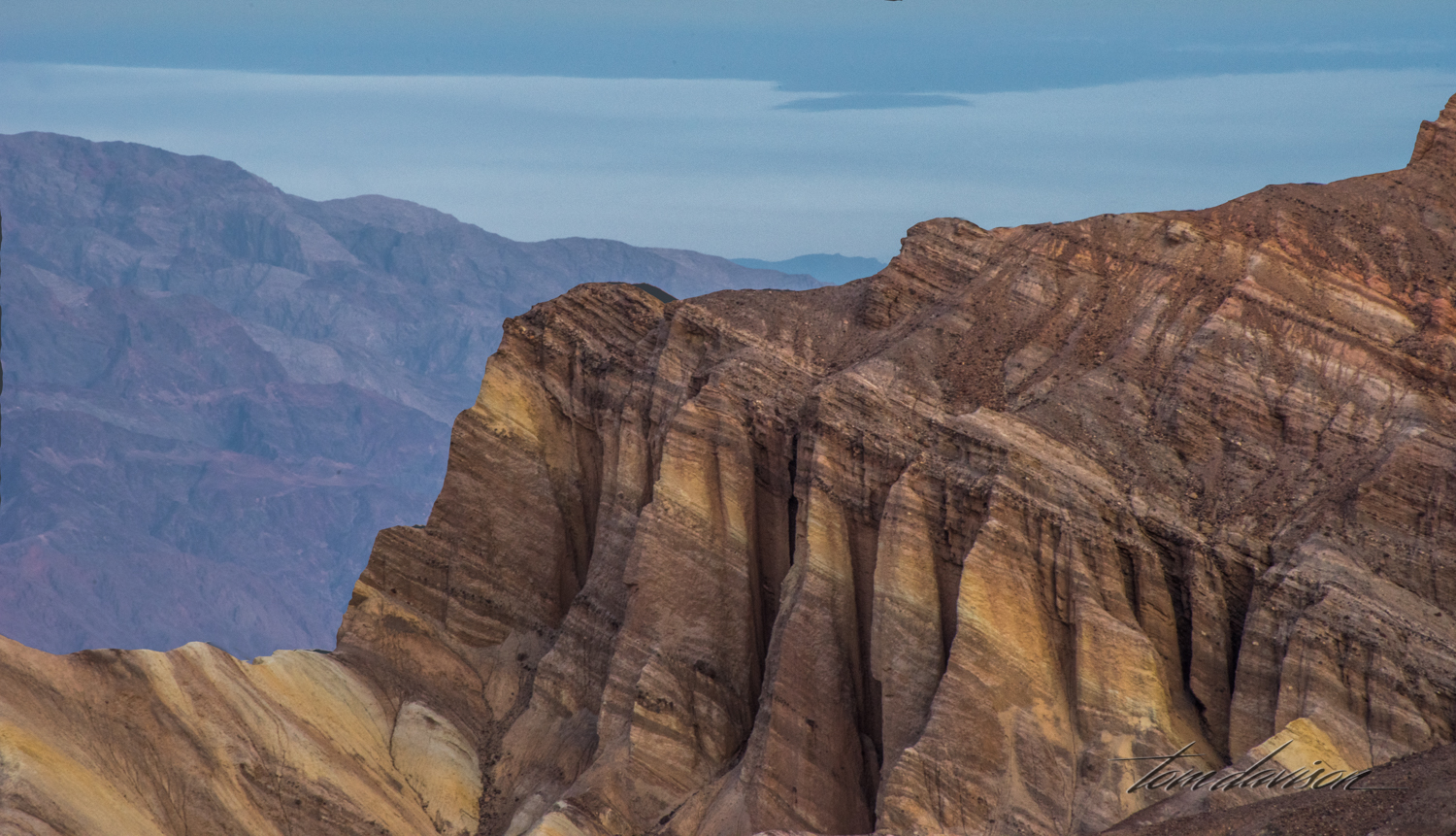
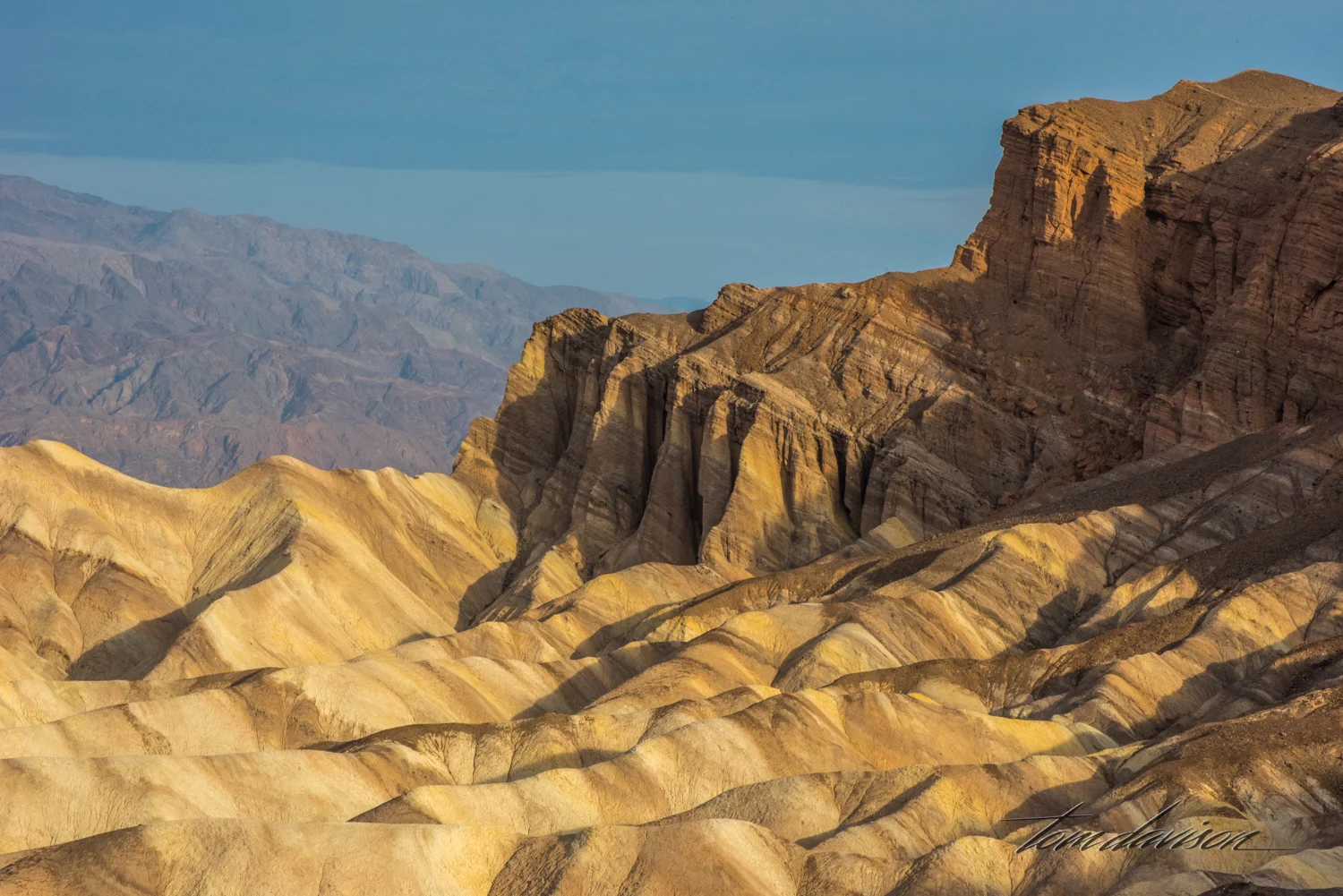
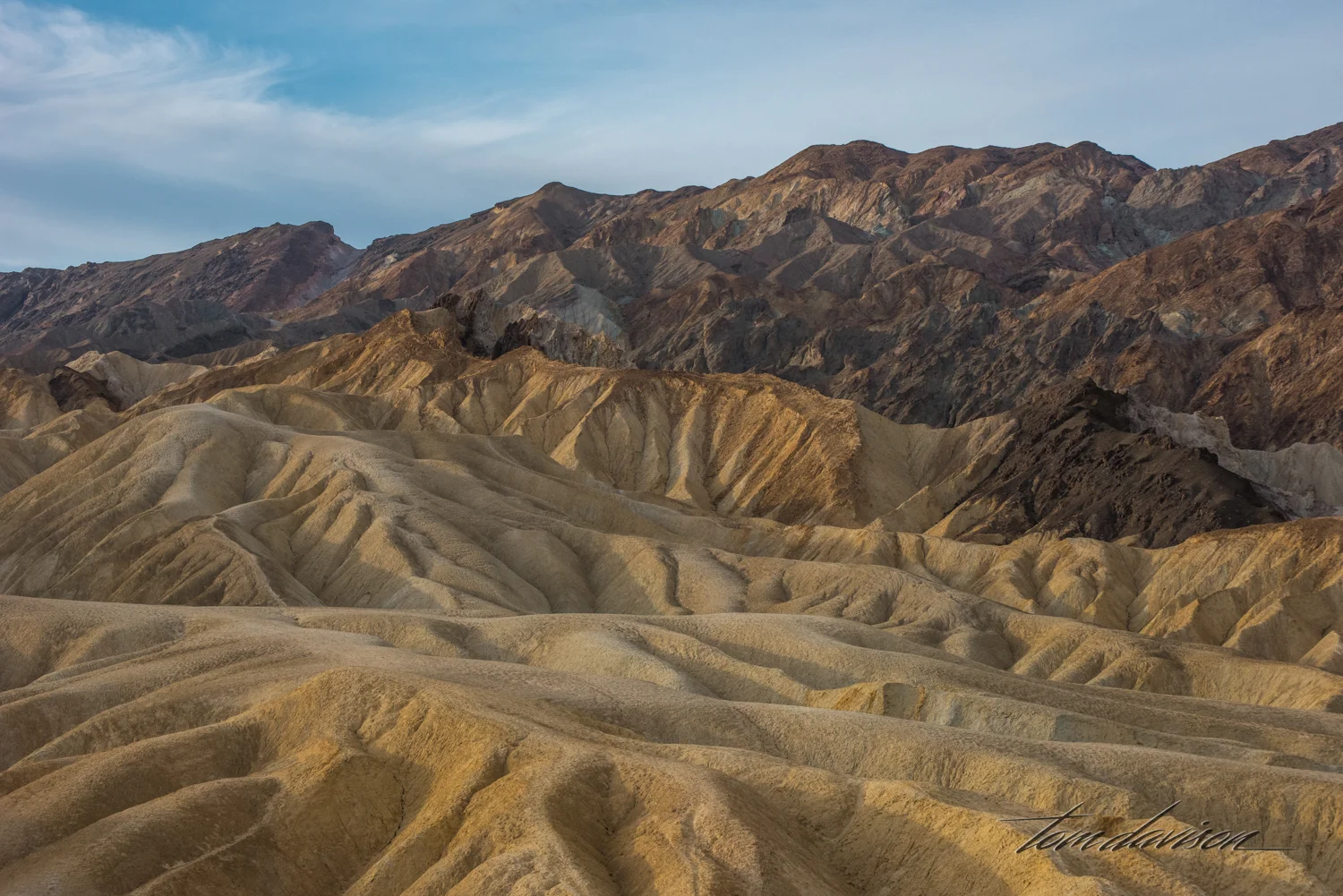
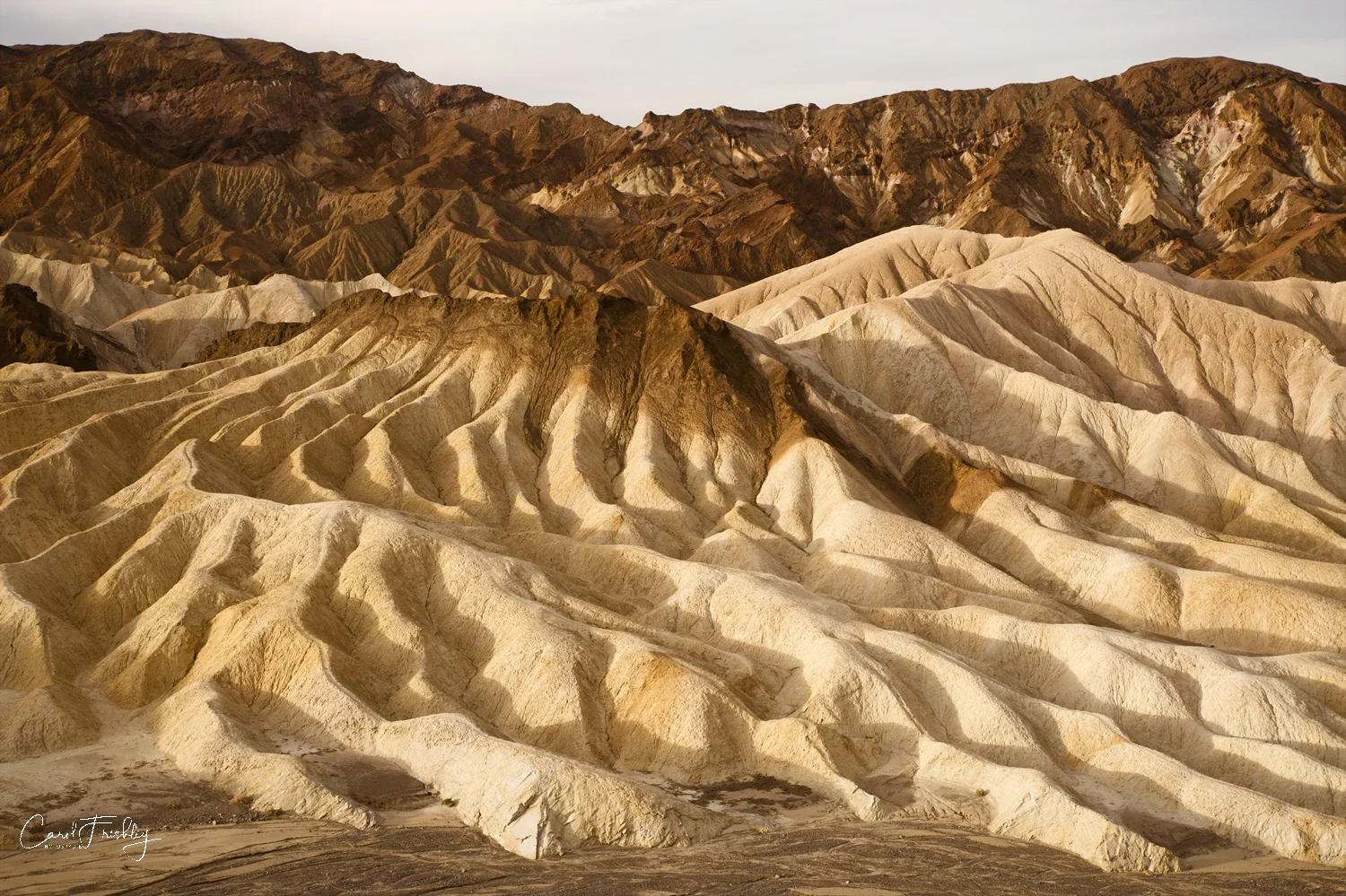
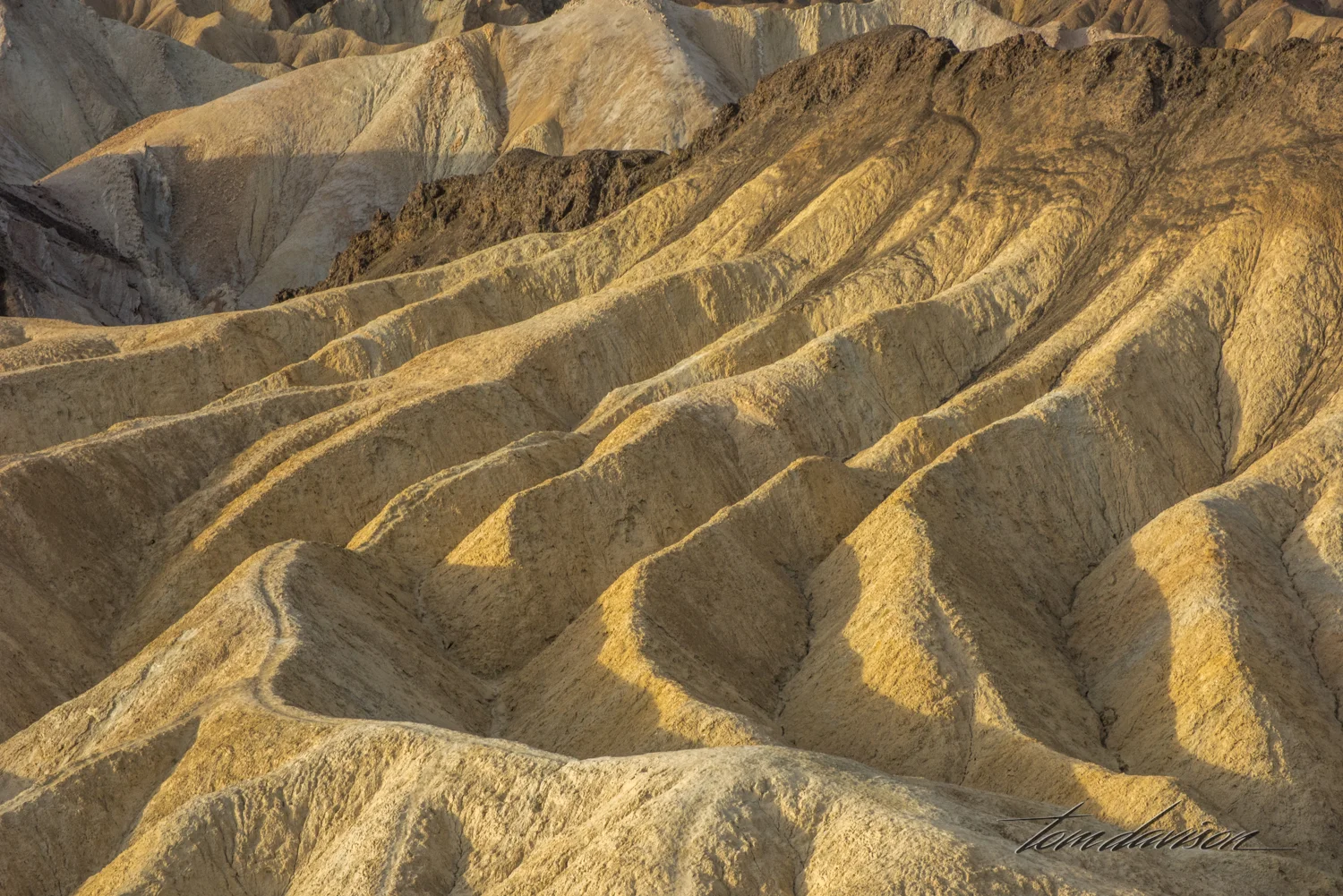
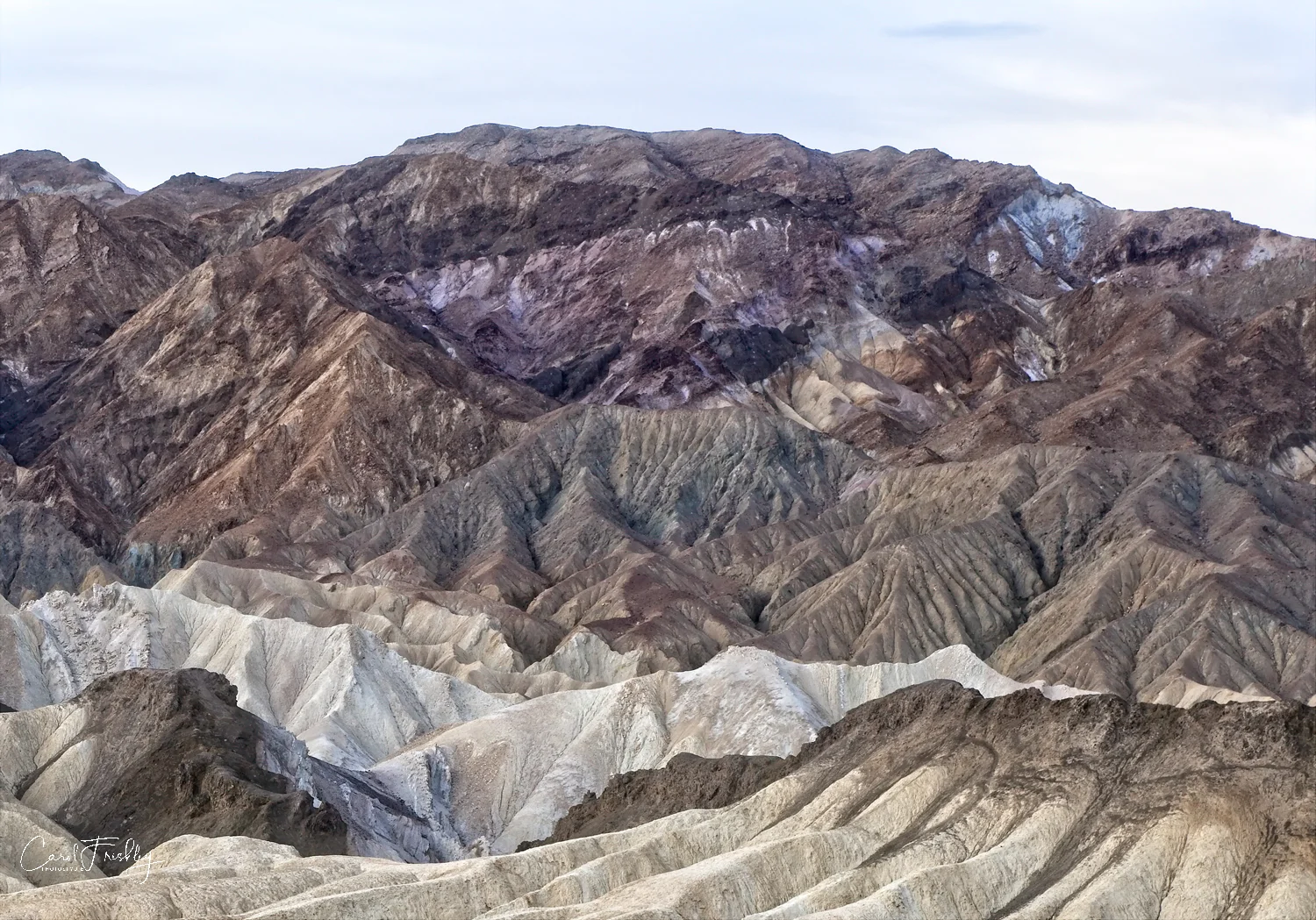
Zabriskie Point is a part of the Amargosa Range located in Death Valley National Park. It geological history is complicated but some understanding off its history, even if limited, is helpful to appreciate the images that follow. From Wikipedia, "Millions of years prior to the actual sinking and widening of Death Valley and the existence of Lake Manly another lake covered a large portion of Death Valley including the area around Zabriskie Point. This ancient lake began forming approximately nine million years ago. During several million years of the lake's existence, sediments were collecting at the bottom in the form of saline muds, and gravel from nearby mountains, and ashfalls from the then-active Black Mountain volcanic field. These sediments combined to form what we today call the Furnace Creek Formation. The climate along Furnace Creek Lake was dry, but not nearly as dry as in the present."  Erosion plays an important role in weathering the landscape with different layers of soil and minerals eroding at different rates. From Wikipedia, again: Regional mountain building to the west (the purple blue mountain range you see below in our images)  influenced the climate to become more and more arid, causing the lake to dry up, and creating a dry lake. Subsequent widening and sinking of Death Valley and the additional uplift of today's Black Mountains tilted the area. This provided the necessary relief to accomplish the erosion that produced the badlands we see today. The dark-colored material capping the badland ridges (to the left and right in our images) is lava from eruptions that occurred three to five million years ago. This hard lava cap has retarded erosion in many places."
Zabriskie TD-5.jpg
Zabriski Point-7.jpg
Zabriskie TD-7.jpg
Zabriski Point-11.jpg
Zabriskie TD-1.jpg
Zabriskie TD-9.jpg
Zabriski Point-13.jpg
Zabriskie TD-8.jpg
Zabriskie TD-15.jpg
Zabriskie TD-2.jpg
Zabriskie TD-3.jpg
Zabriskie TD-6.jpg
Zabriskie TD-4.jpg
Zabriski Point-27.jpg
Zabriskie TD-11.jpg
Zabriskie TD-12.jpg
Zabriskie TD-16.jpg
Zabriski Point-23.jpg
Zabriskie TD-13.jpg
Zabriskie TD-14.jpg
Zabriski Point-14.jpg
Zabriskie TD-17.jpg

Watson Lake . . . Again!!

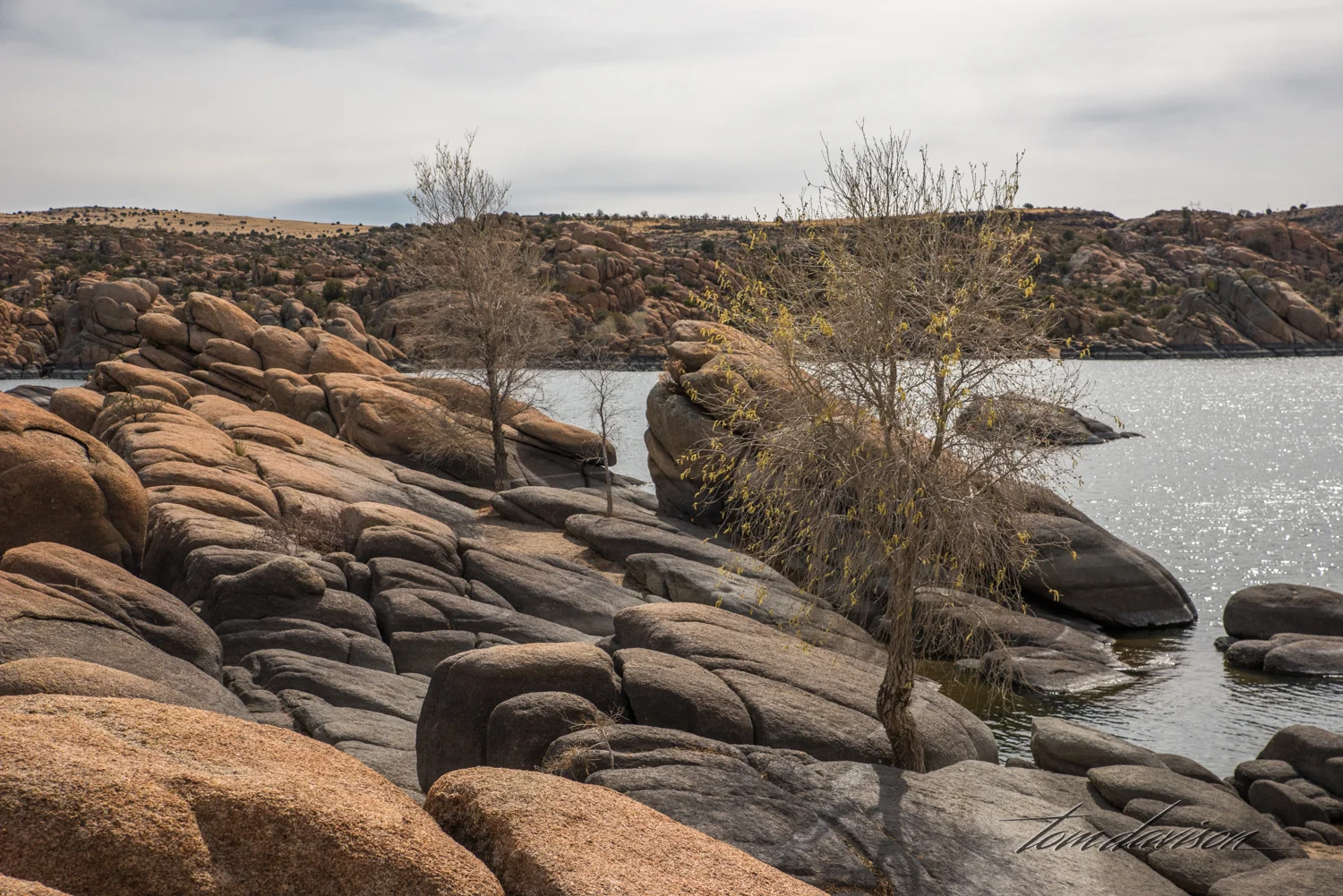
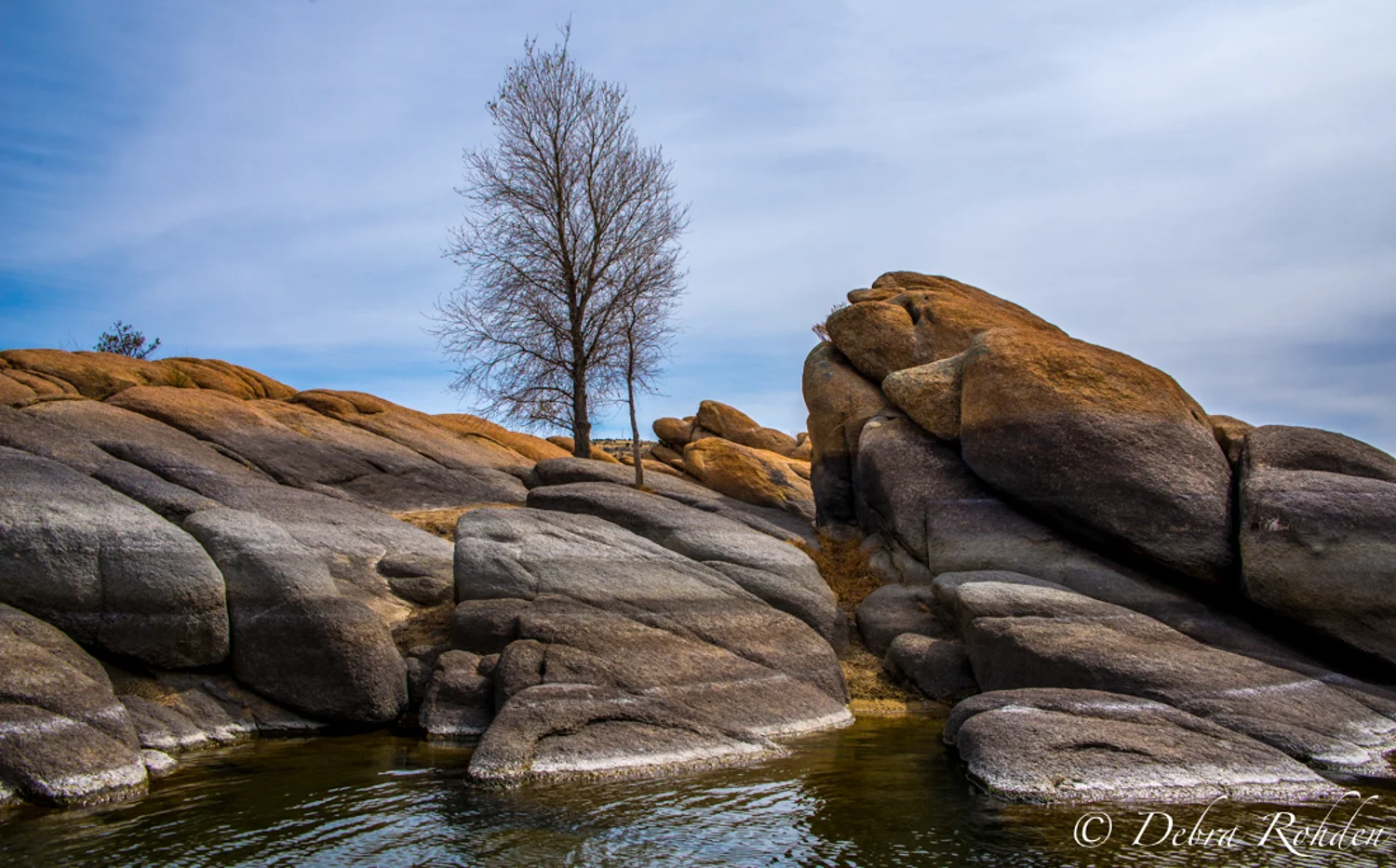
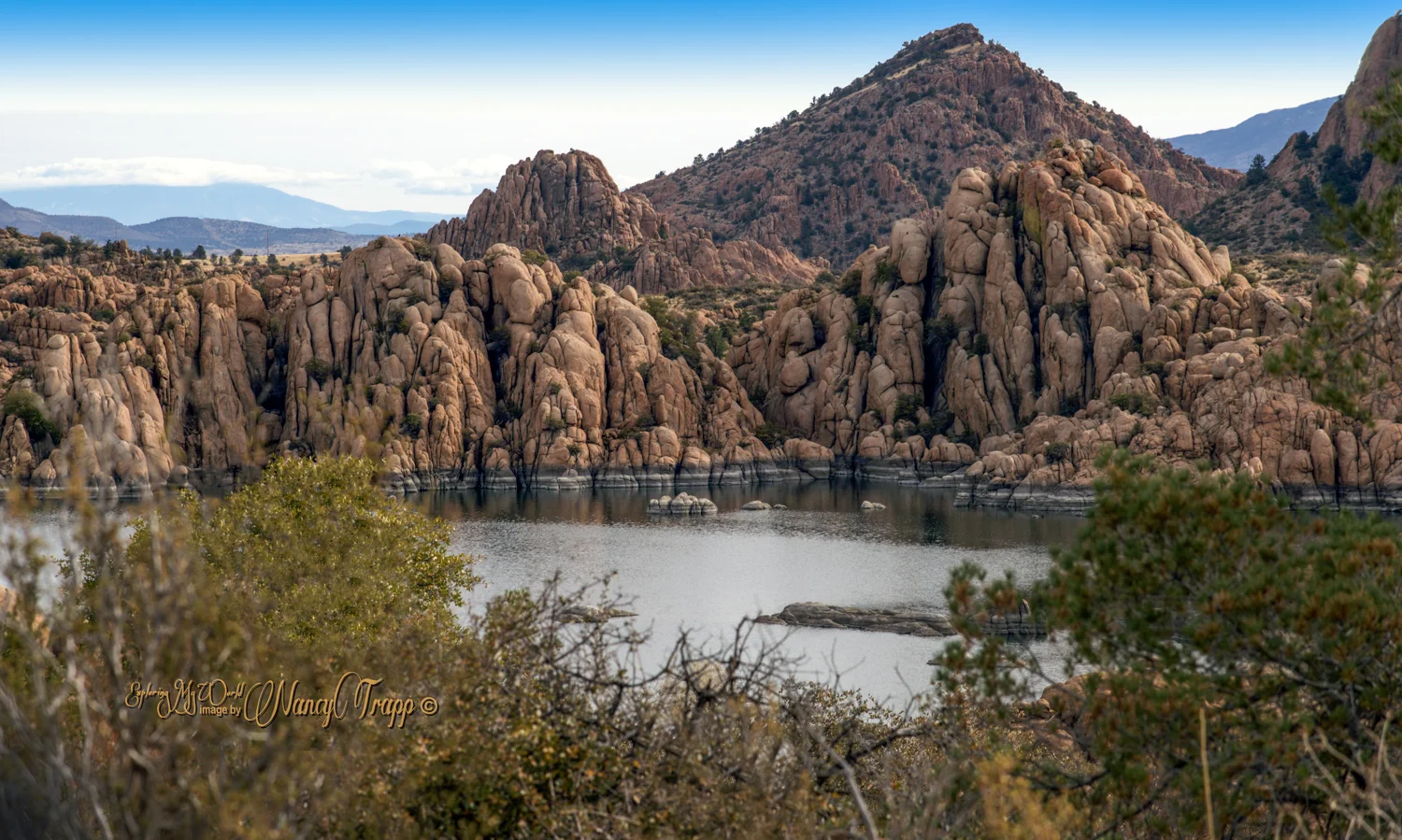
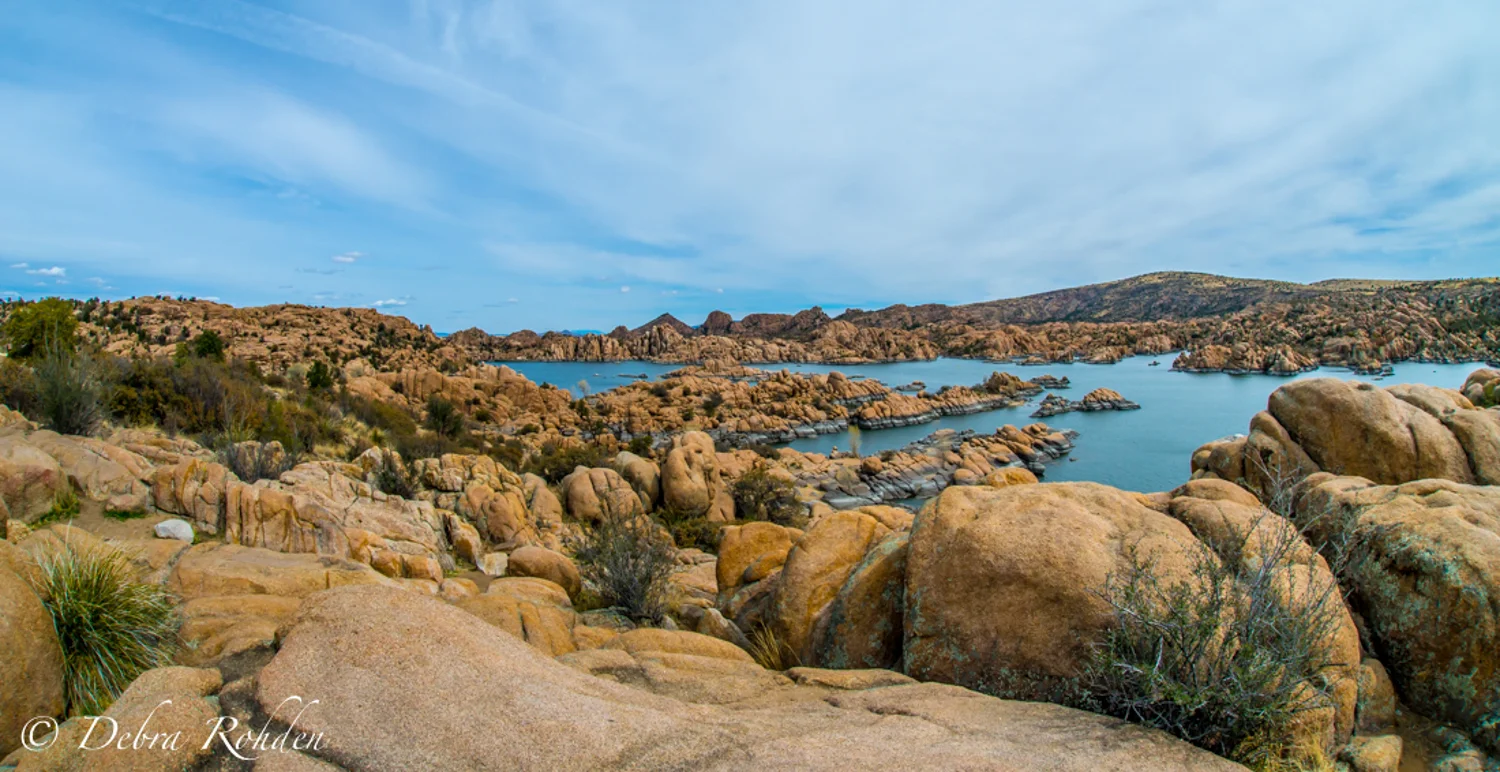
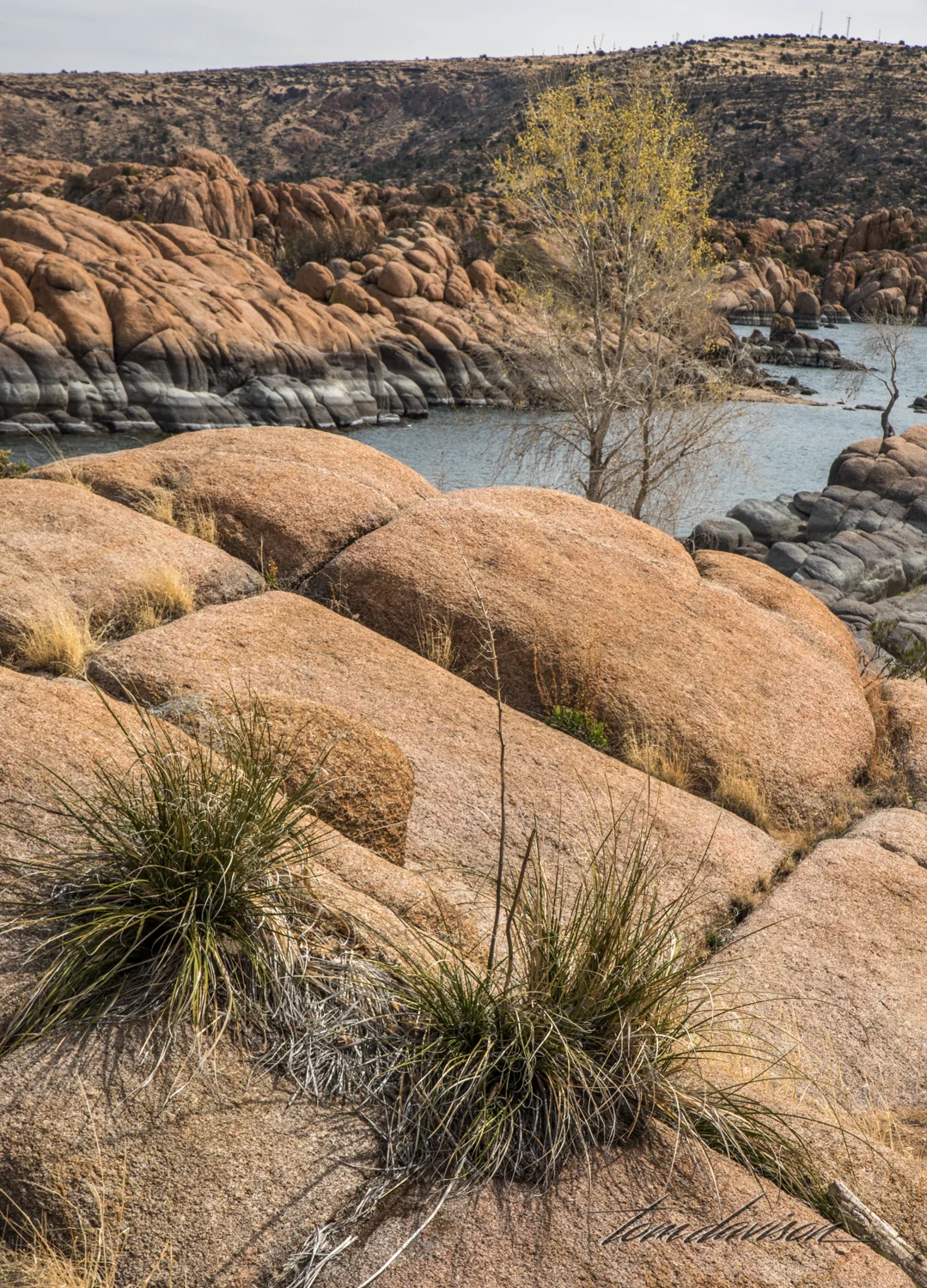
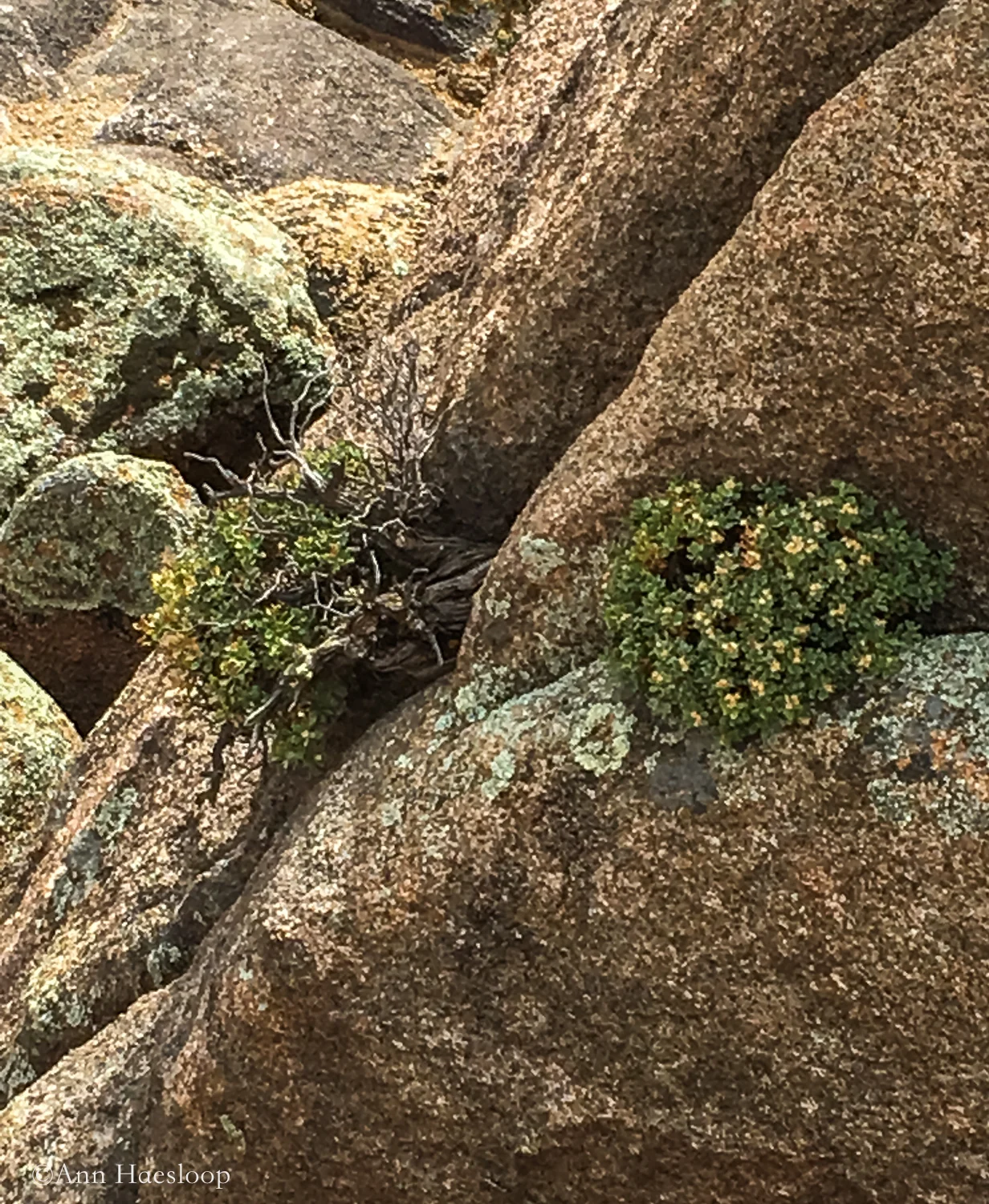
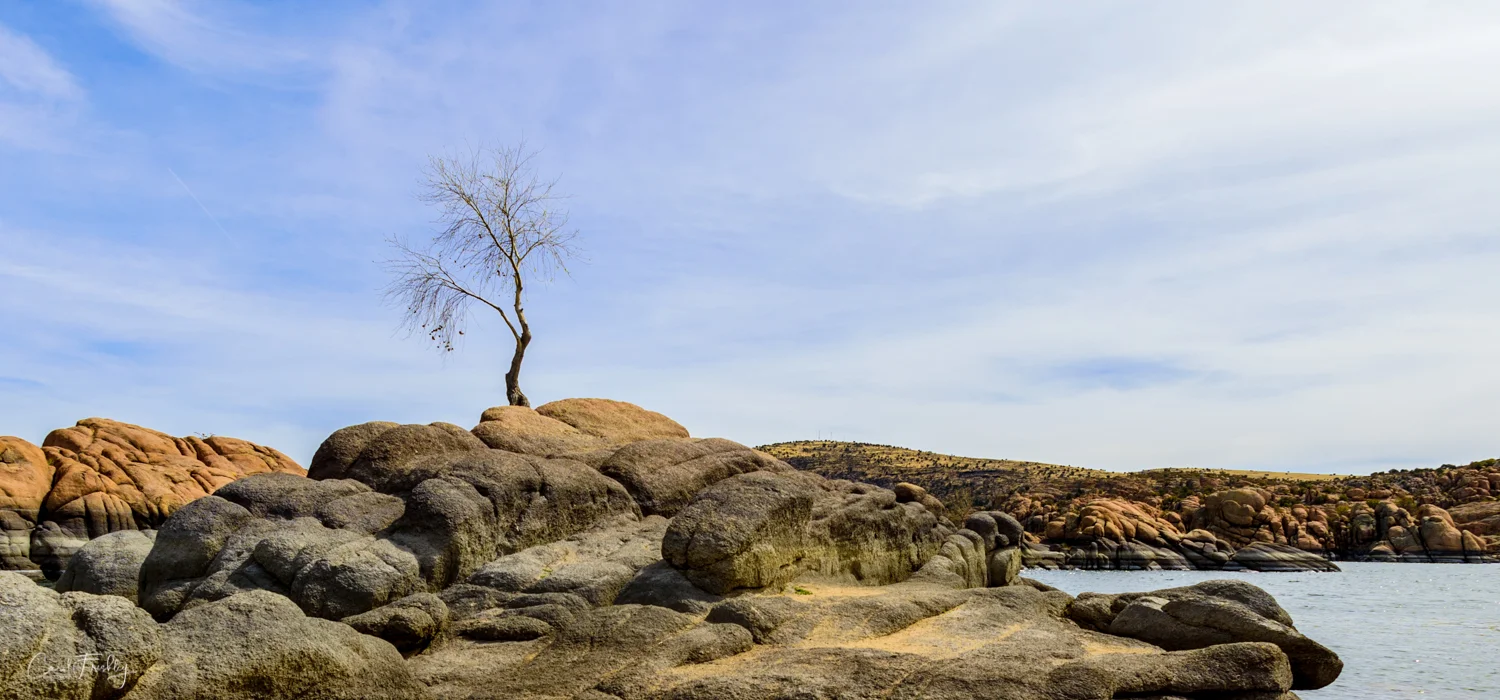
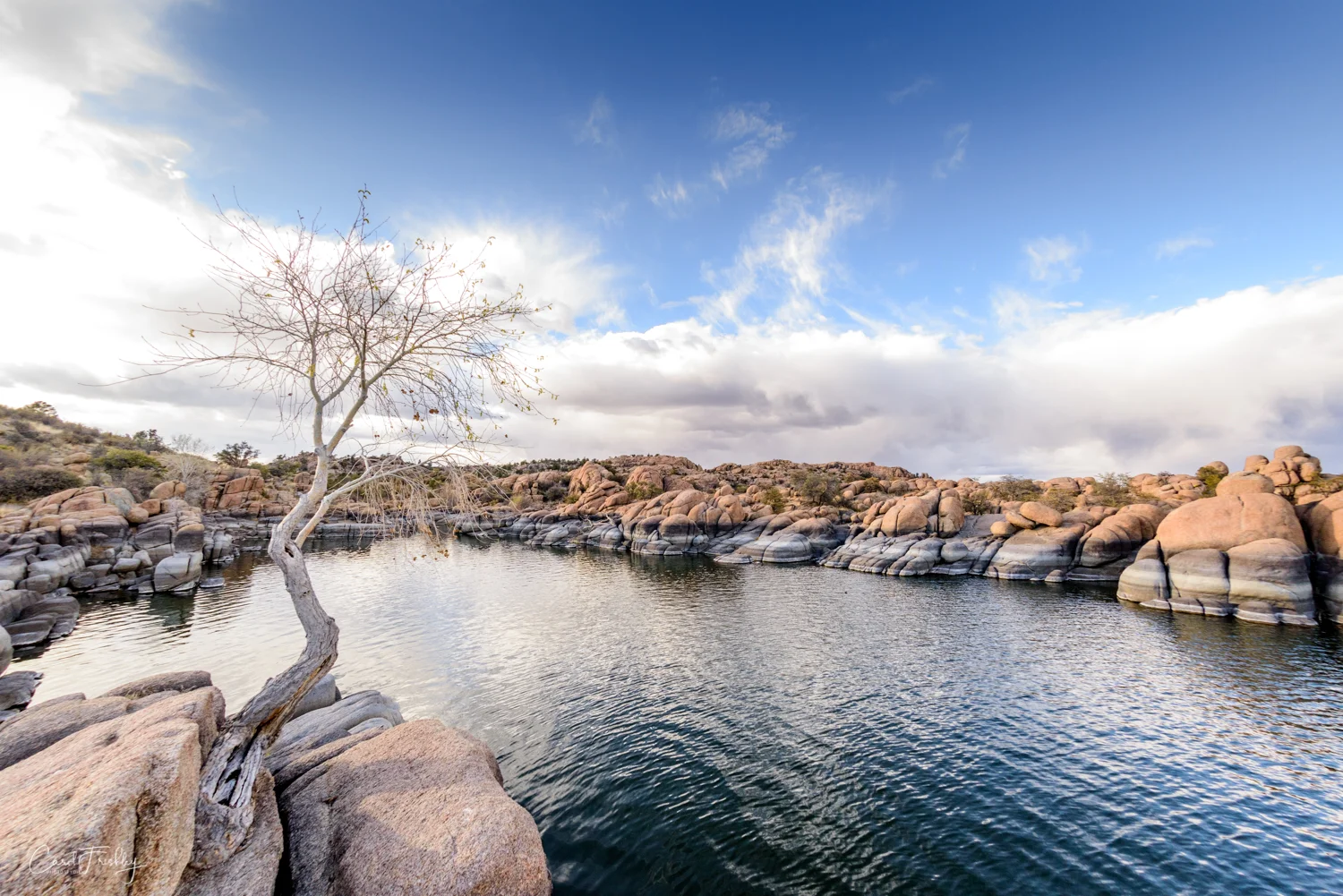
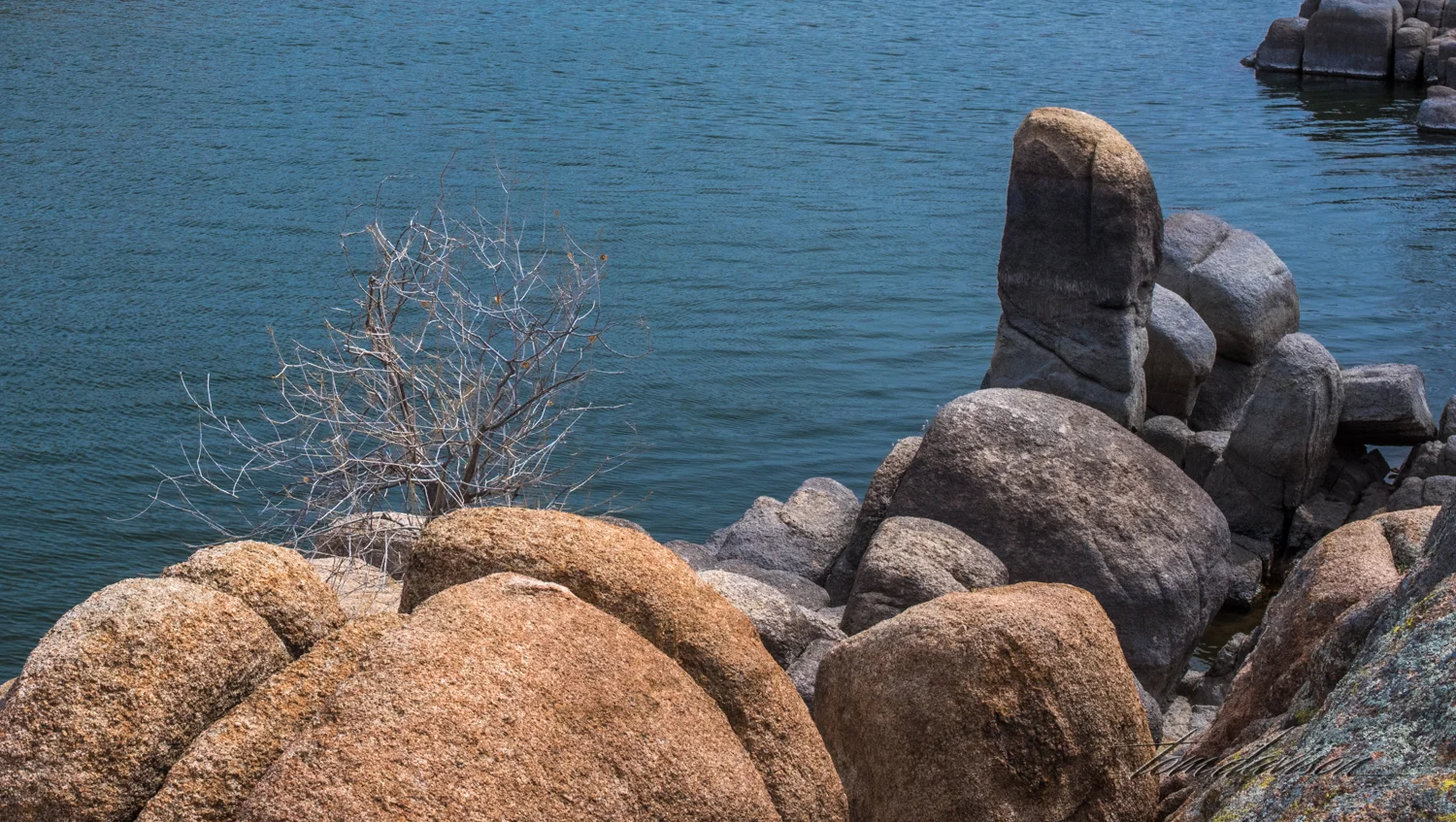
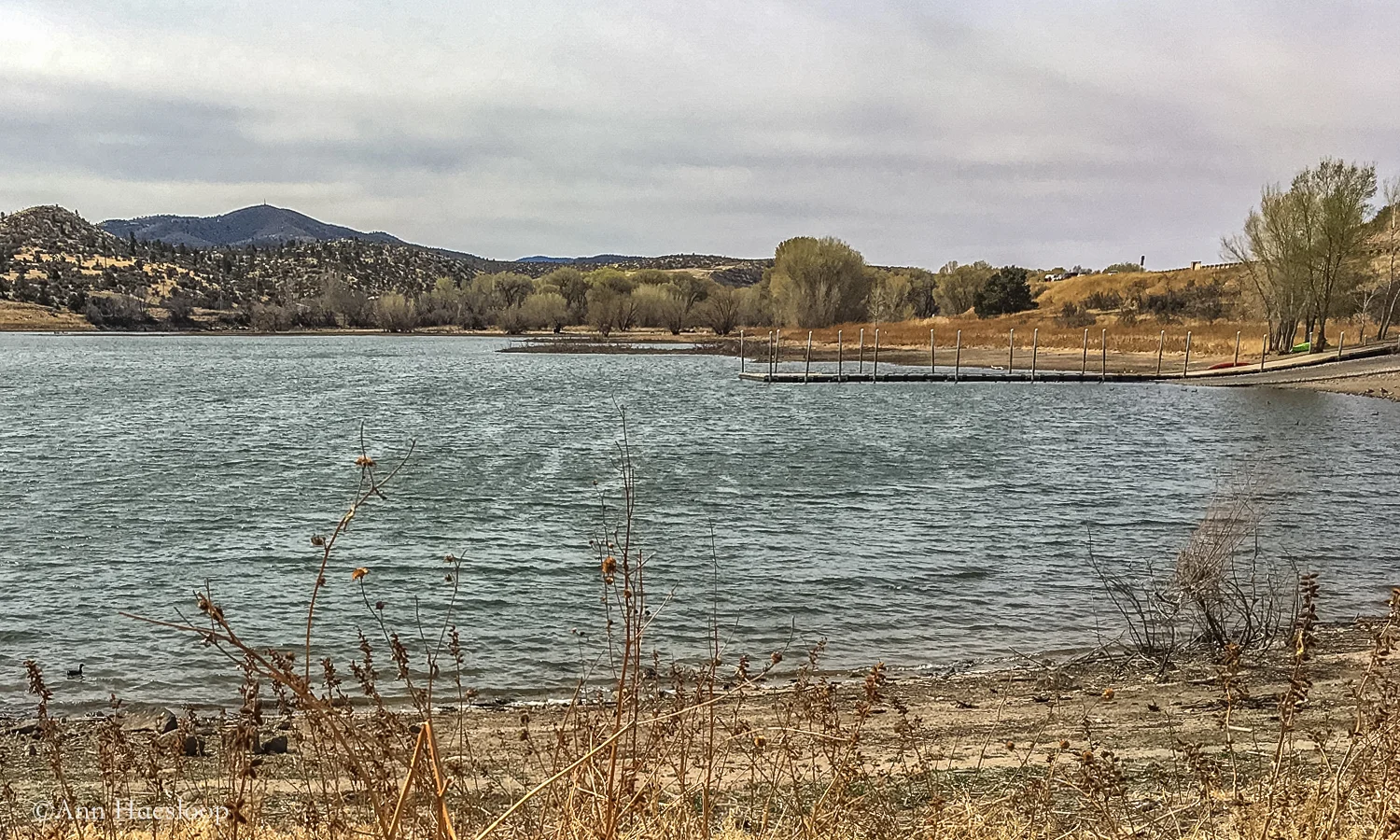
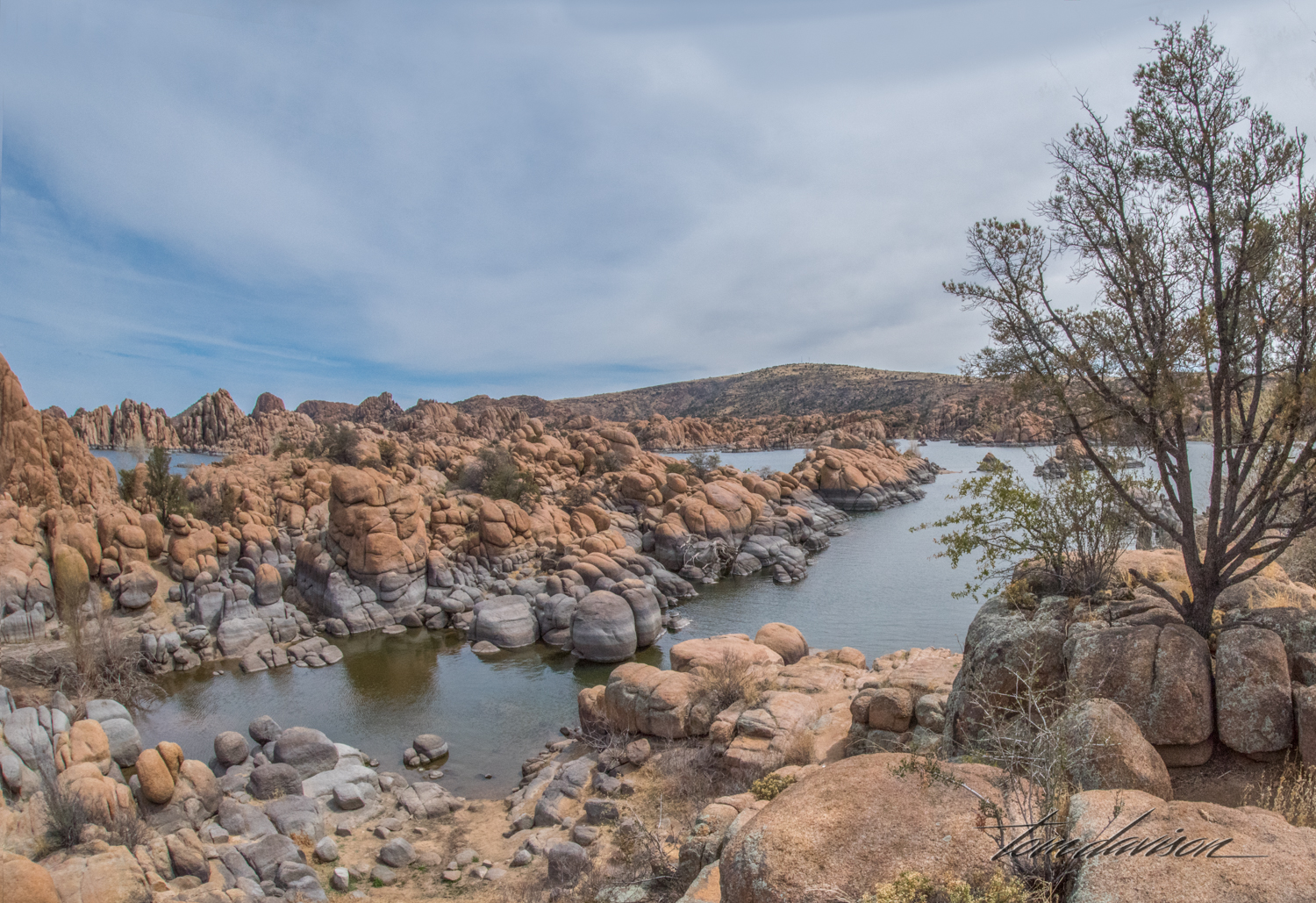
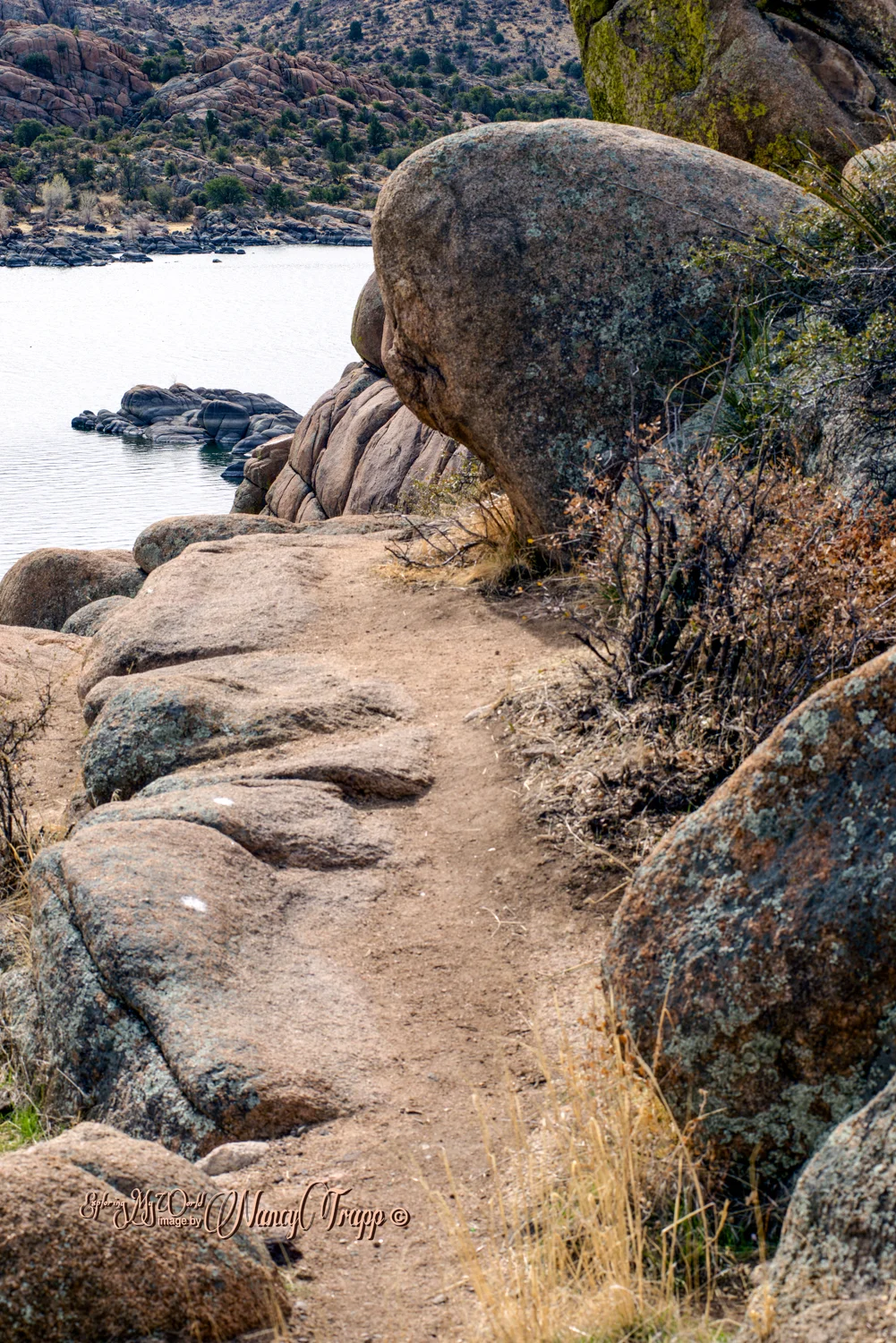
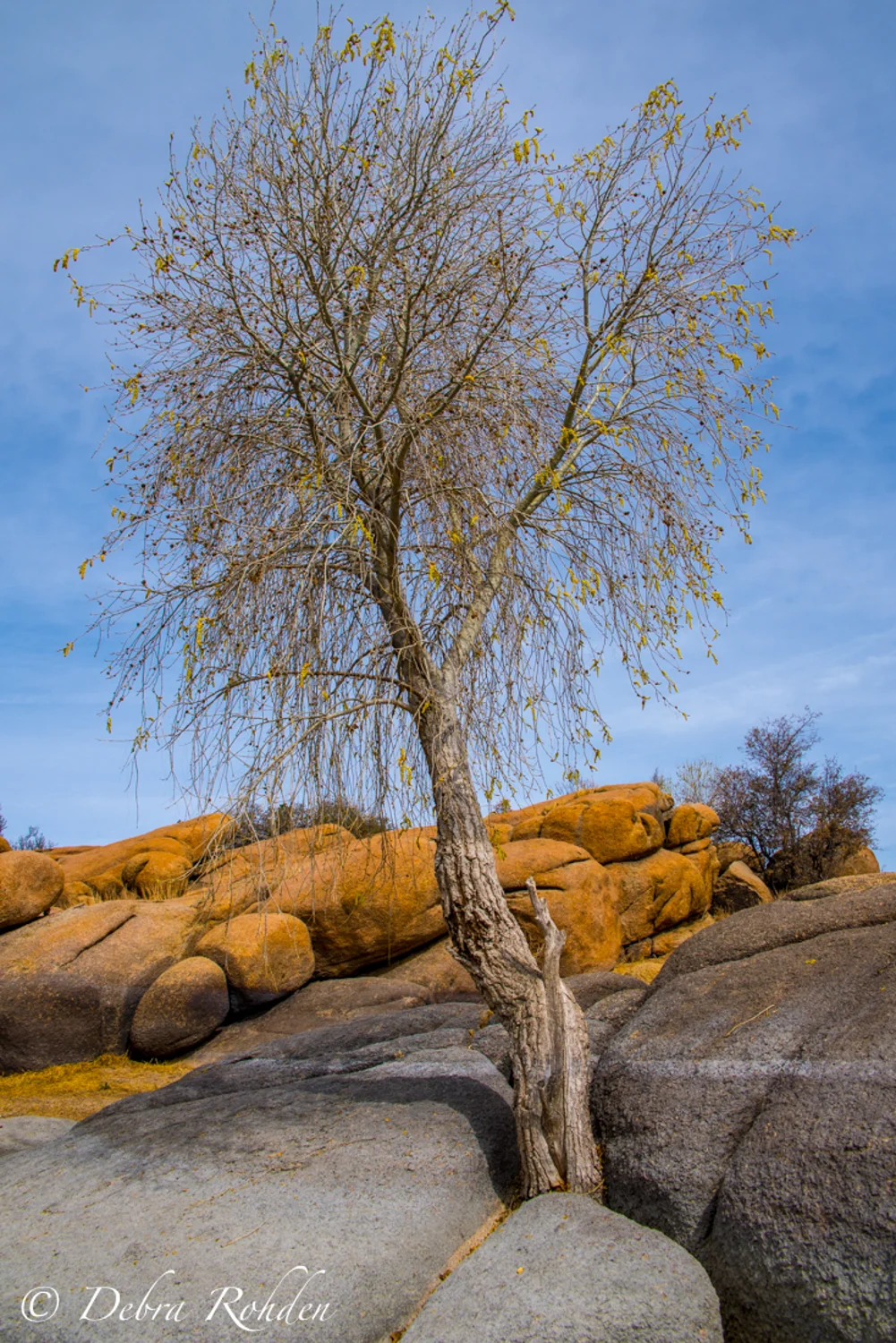
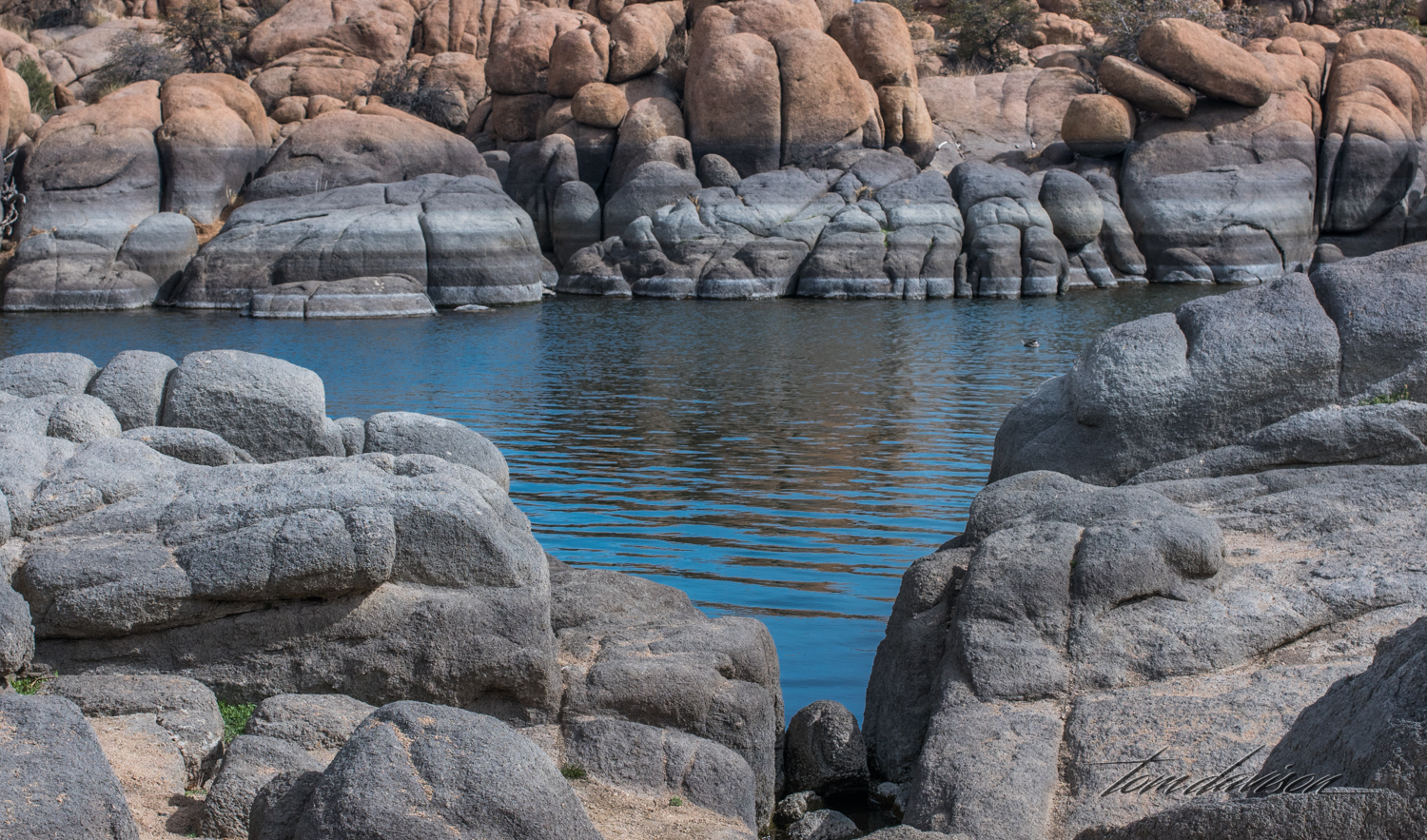
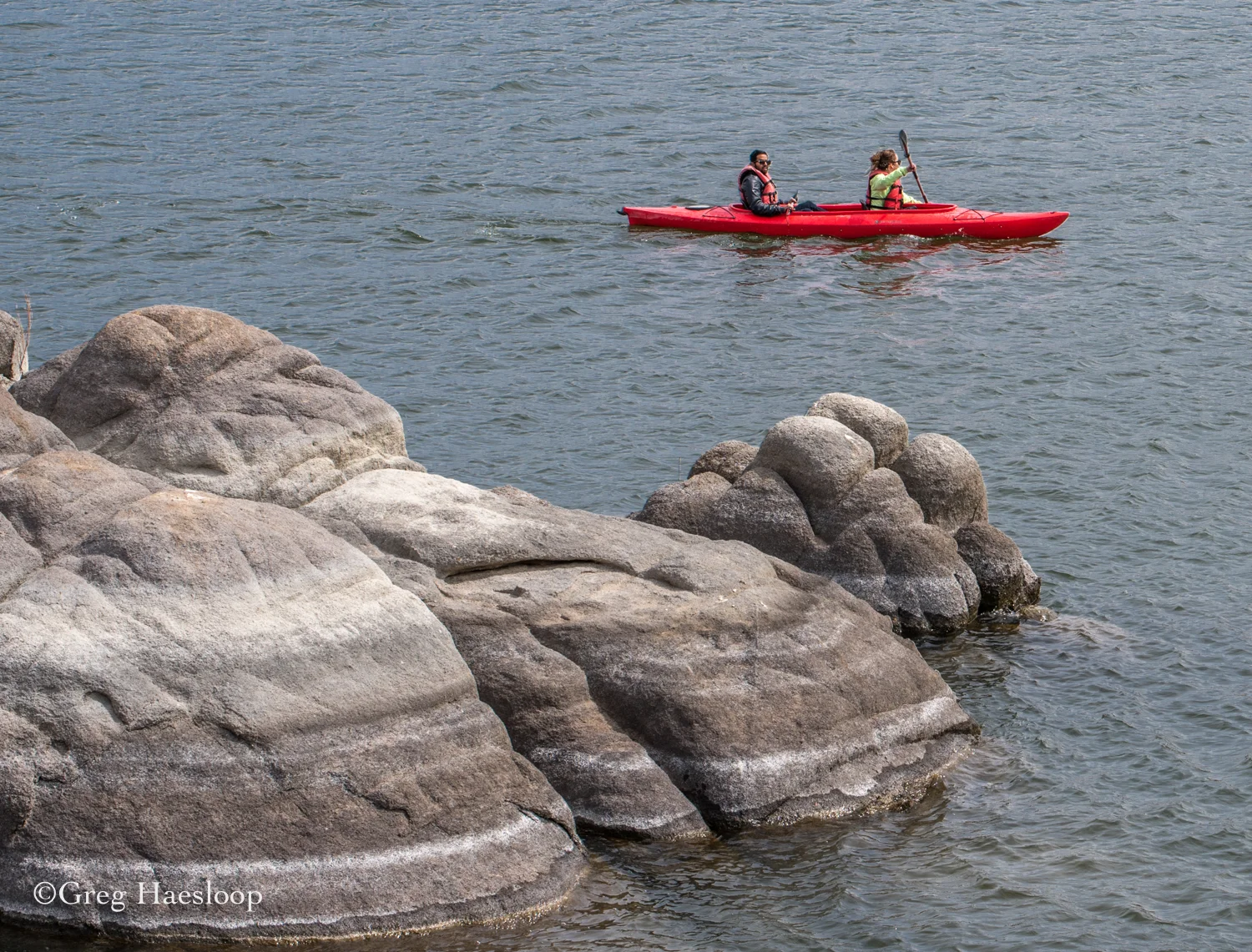
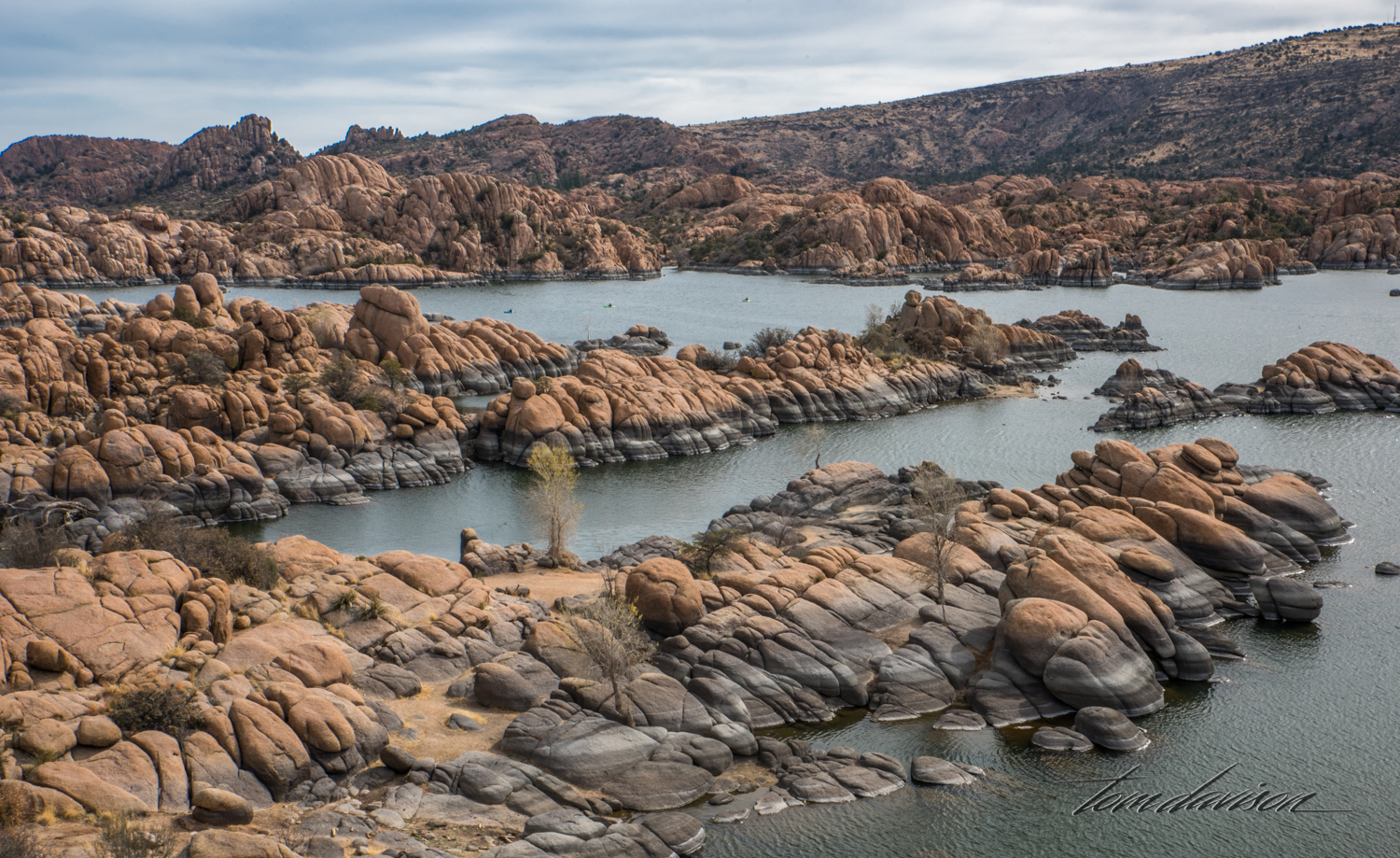
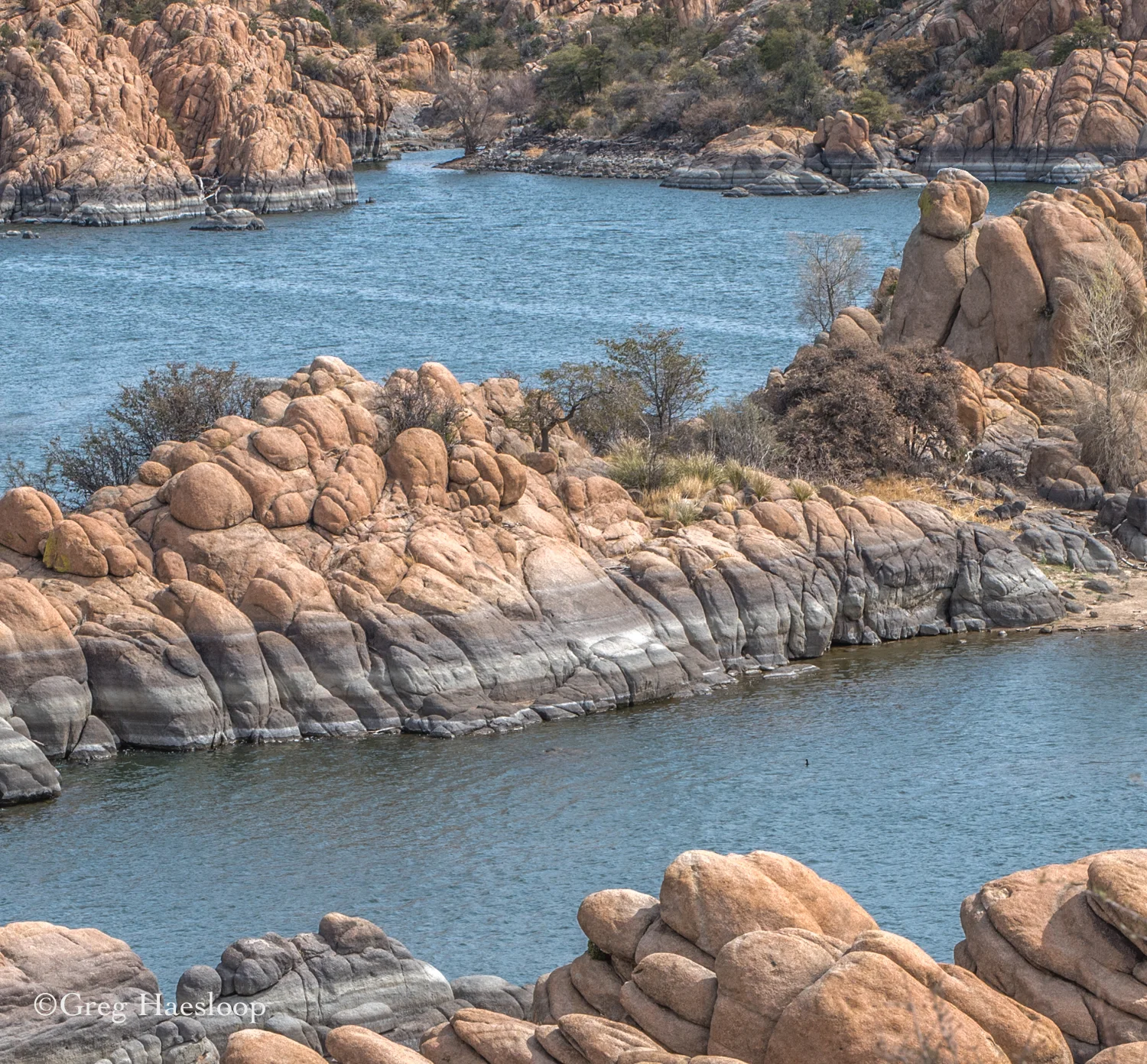
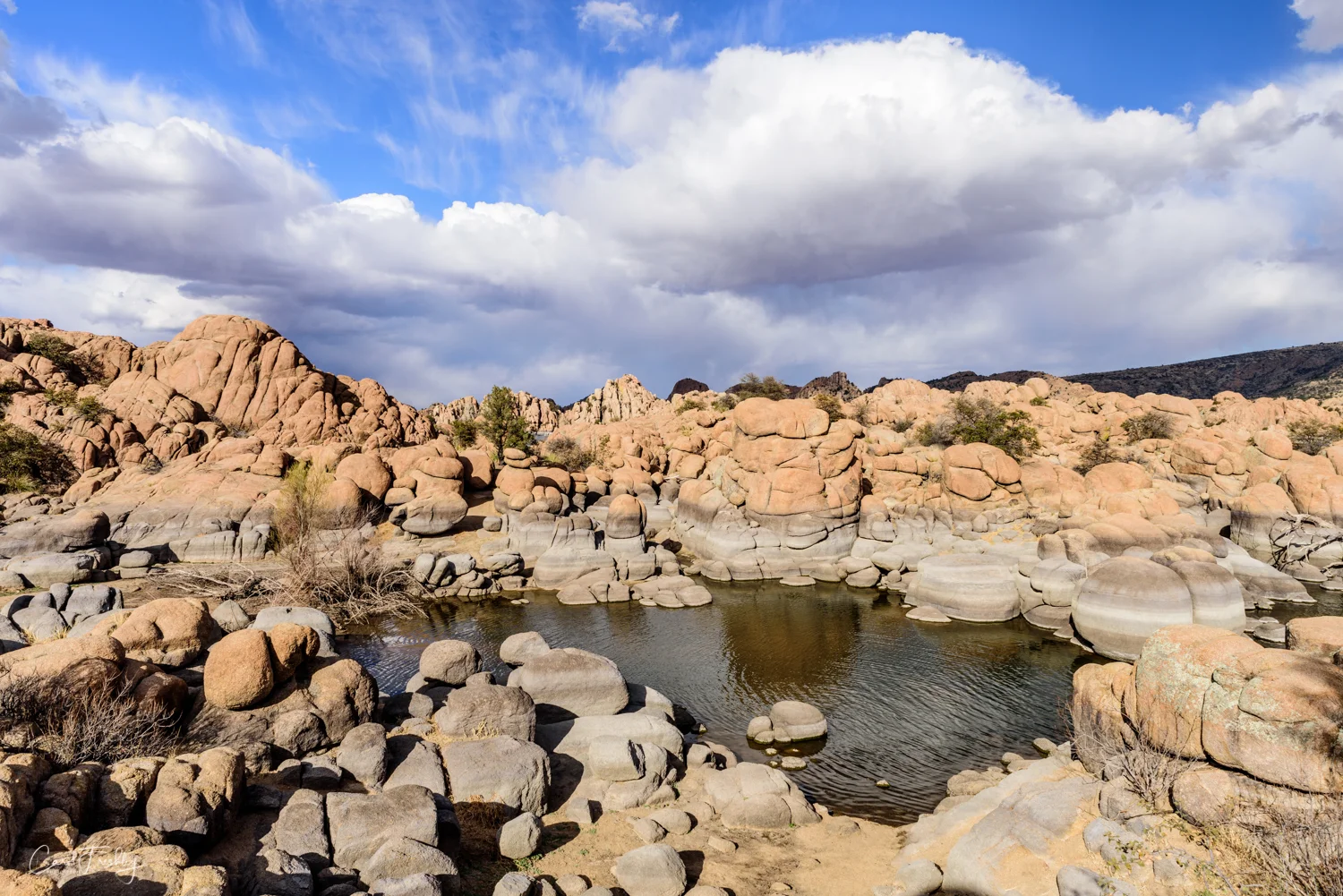
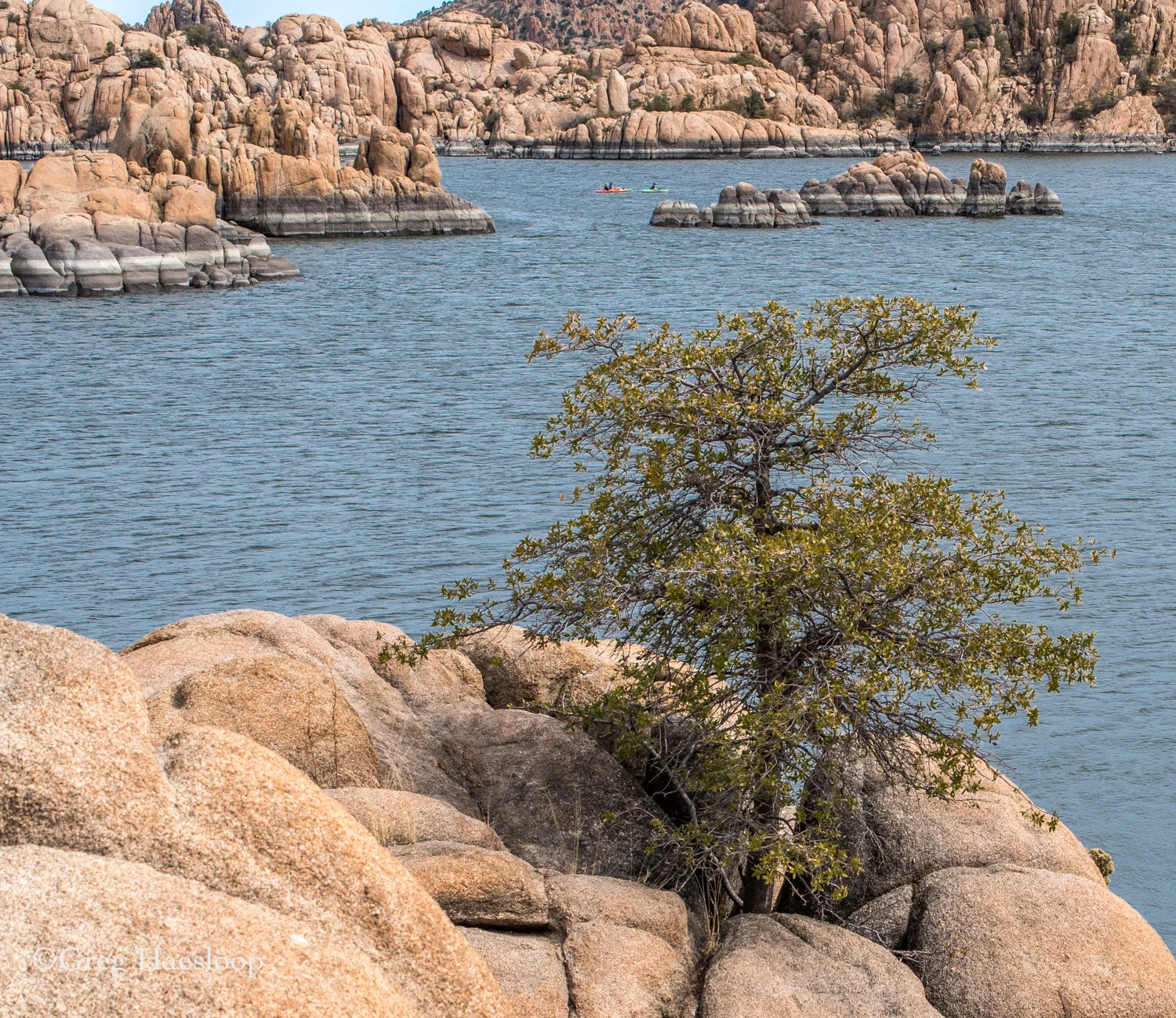
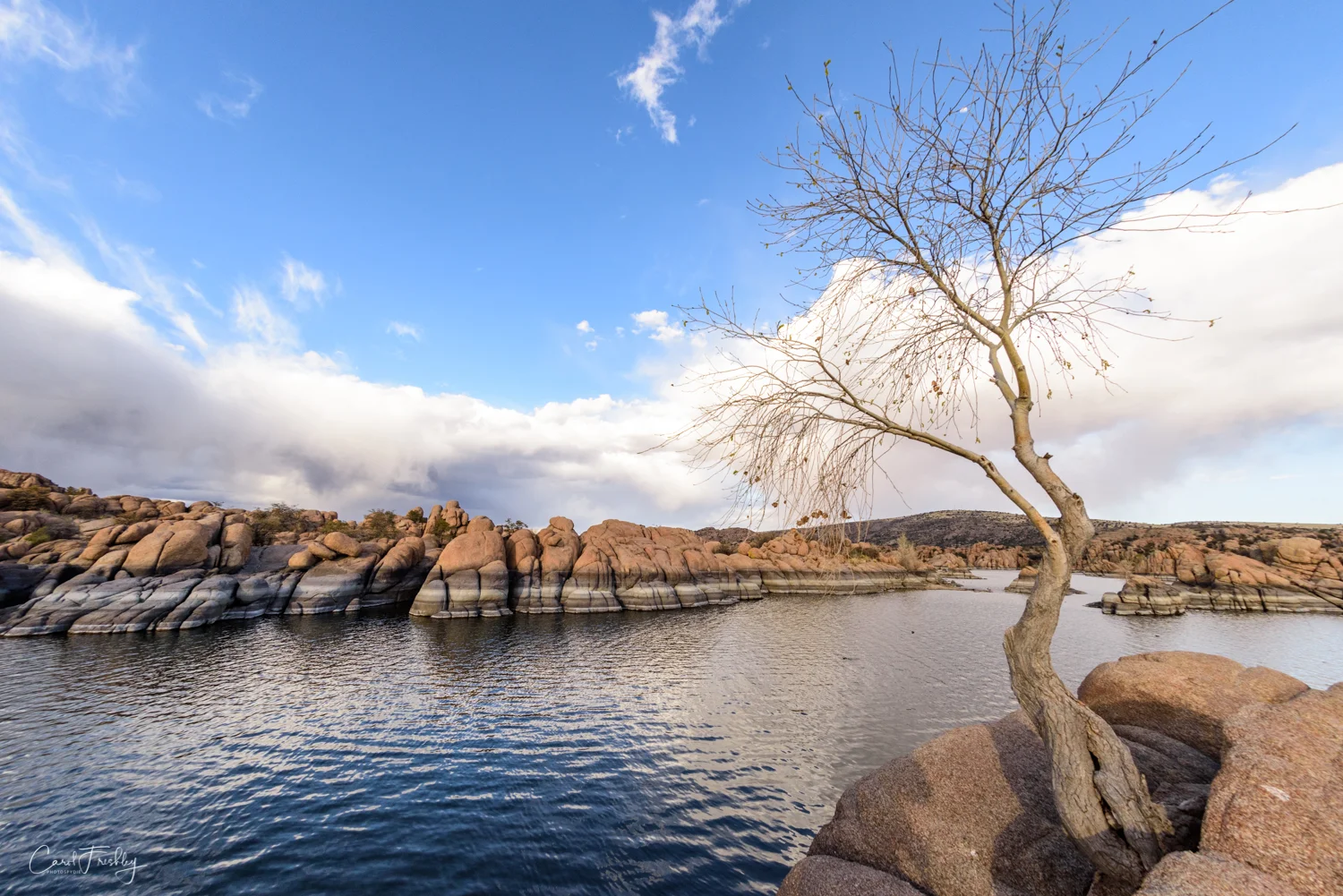
Hard to imagine that Nancy had never been to Watson Lake.  Bet she will return.  She joined Debra, Greg, Ann, Tom and I for a great morning photo-adventure.  The water level is really low, in fact some places were now 'features' that I have never seen before.  Enjoy.

TD Tom's Watson-16.jpg
Watson Lake lone tree.jpg
Watson Lake PrescottAz.jpg
Watson Lake-2011.jpg
GH Watson Lake-20.jpg
GH Watson Lake-6.jpg
GH Watson Lake-8.jpg
Watson Lake Fisheye.jpg
TD Tom's Watson-13.jpg
AH Watson Lake-8.jpg
Watson Lake-2004.jpg
TD Tom's Watson-17.jpg
Watson Lake-2016.jpg
TD Tom's Watson-22.jpg
Watson Lake-2015.jpg
TD Tom's Watson-23.jpg
AH Watson Lake-1.jpg
TD Tom's Watson-25.jpg
Watson Lake'18 2 (1).jpg
Surving between the rocks.jpg
TD Tom's Watson-8.jpg
GH Watson Lake-18.jpg
TD Tom's Watson-4.jpg
GH Watson Lake-12.jpg
Watson Lake-2009.jpg
GH Watson Lake-3.jpg
TD Tom's Watson-1.jpg
AH Watson Lake-2.jpg
Acorn.jpg
Bee on flower.jpg

To finish the day, we lunched together at the Raven Cafe and then strolled into the downtown square.  Wonderful day!!