Painted Hills and Blue Basin

Cory wrote: "Painted Hills are listed as one of the Seven Wonders of Central Oregon. They are named after the colorful layers of the hills corresponding to various eras, formed when the area was an ancient river floodplain. The black soil is lignite which is vegetative matter that grew alongside the floodplain. The grey color is mudstone, siltstone and shale. The red coloring is laterite soil formed by floodplain deposits when the area was warm and humid. An abundance of fossil remains of early horses, camels and rhinoceroses in the area make the Painted Hills area particularly important to vertebrate paleontologists. The Painted Hills are protected and have an abundance of short trails for viewing. Walking on the Hills is prohibited."

In addition to the Painted Hills, Cory photographed the Blue Basin.  She tells us, " The Blue Basin is centered on an outcrop of grey-bluegreen colored badlands, very heavily eroded with no vegetation and split by a branched ravine.  The Basin is one of the more important fossil sites in the John Day Fossil Beds National Monument.  The brightly colored rocks were originally volcanic ash, resulting from eruptions around 29 million years ago.  They really are this color, it's surreal.

Thanks Cory.  One day we may get up there and shoot these with you.  Would be fun and you can be our guide.
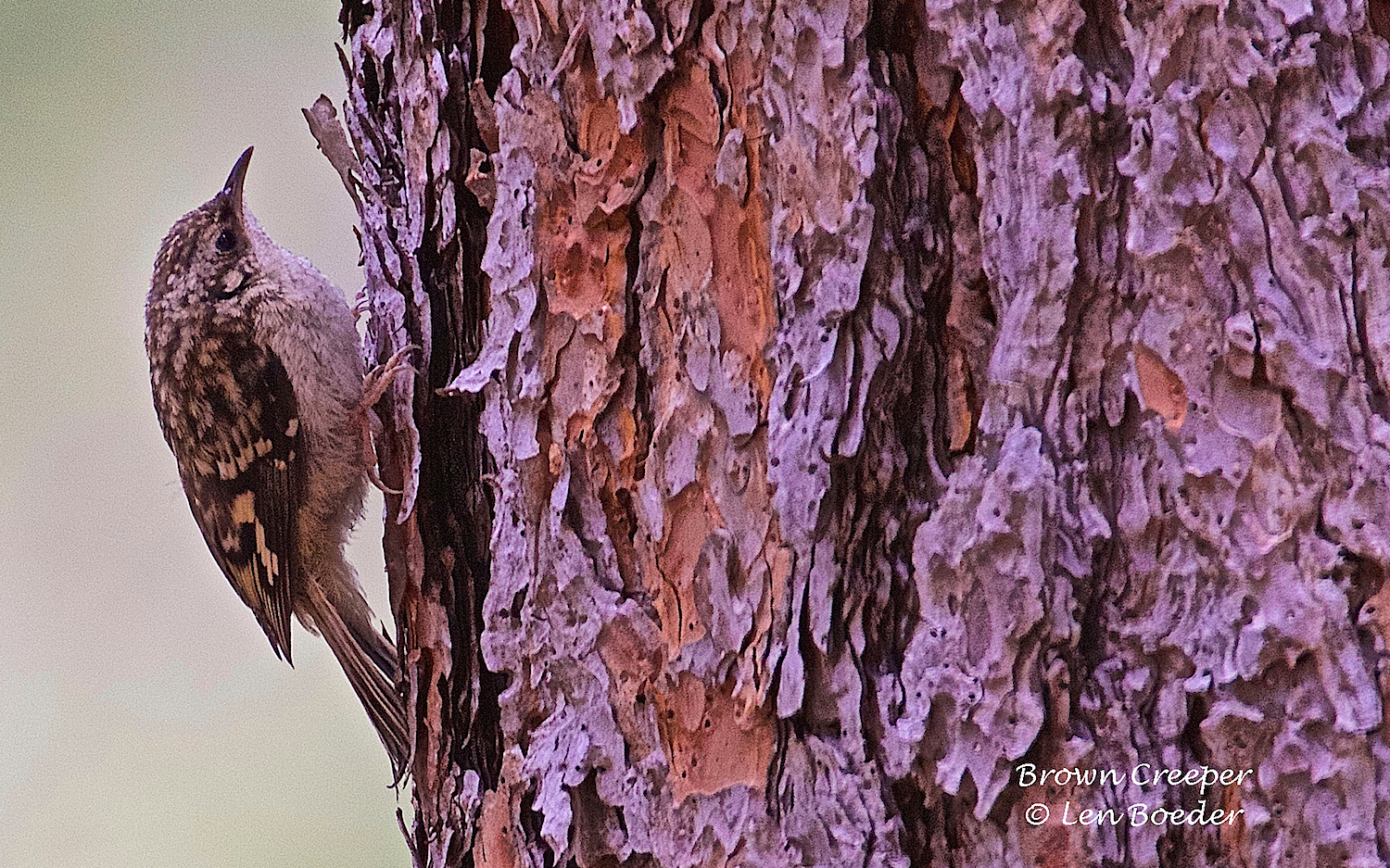
Woodpecker Festival

Len is treating us to a very nice selection of bird images taken at the Woodpecker Festival in Sisters, OR.  He thoughtfully places the names of the birds on the image to help us out.  As I looked over his metadata I can share that they were all taken with his Canon EOS 7D Mark II and his EF 100-400mm f/4.5-5.6L IS II USM lens and about half had the +1.4x III in place as well.  I know you will enjoy them.

Fancy Fella.

WOW!

Looks so dainty.  

Thanks so much Len.  We appreciate and enjoy your images so much.  Looking forward to having you back in the valley.

LA Roadsters

We are treated once again to the best of a car show.  This time it is the LA Roadsters.  Enjoy!

A 1932 five window coupe.

A 1932 Deuce Roadster with super charged engine.

A 1932 Ford Deuce Roadster in formal black.

Another 1932 Ford Roadster with full fenders in sexy red!

Another 1932 Ford Roadster with full fenders.  It is a roadster show!  

A 1934 Ford Roadster (my favorite of the bunch and Tom did not drive it home for me).

A row of roadsters in front of the Art Deco Avalon Ballroom at the Fairplex where the show was held.

Row of hot rods parked at the SoCal Speed Shop Open House held before the show.

A 1931 Ford Roadster.

A 1932 Ford HiBoy Roadster.

A 1931 HiBoy Roadster.

A handmade roadster using parts from old Chryslers.  I swear this car is grinning at me!

A 1955 Ford F100 pickup.

A 1934 Ford 3 window coupe.

Vintage one seater speedster created using parts from many different cars.  In other words . . . a mongrel with speed.

A 1932 Deuce HiBoy Roadster with supercharger air scoop (that funny looking thing on the hood).  Each year cars are given stickers to show they are qualified to show their cars.  They are so prestigious that some owners leave them on permanently (you can spot three of them on the light on your right).

Detail of a scratch built Chrysler based car.

Detail of 1932 Ford grill and lights.

All original restored 1931 Model A Roadster.  This is what they looked like before they were made into hot rods.  Most of the cars in the show were built to look like hot rods.  This is their 'before' look.

1932 Ford HiBoy Roadster done in a late 1940s style.

1931 Ford 5 window coupe with Chevrolet engine and bare metal finish.

A 1932 classic black deuce roadster with super charged flathead power.

Tom's attempt at panning a 1932 Roadster.

A 1936 Ford Roadster.

1932 Ford 5 window coupe.

These are 1960s vintage super charged fuel dragsters, generally created as a copy of famous drag cars of that era.  The attraction is that they start these up and they are the most powerful engines ever built for racing.  They are capable of running a quarter mile in 4.5 seconds while attaining a top speed of 250 mph.

Early Ford flathead engine with vintage speed equipment, polished to perfection.

Abstract detail of 1932 Ford grill.  Air intake louvres provide an interesting pattern.