Walnut Canyon

I have lived in Arizona for 50 years and had never been to Walnut Canyon, a National Monument just 10 miles east of Flagstaff. That changed last Wednesday, a very chilly and windy day. I was by myself, Tom having left for Austin. I was headed to Albuquerque and was running ahead of schedule. What better time?

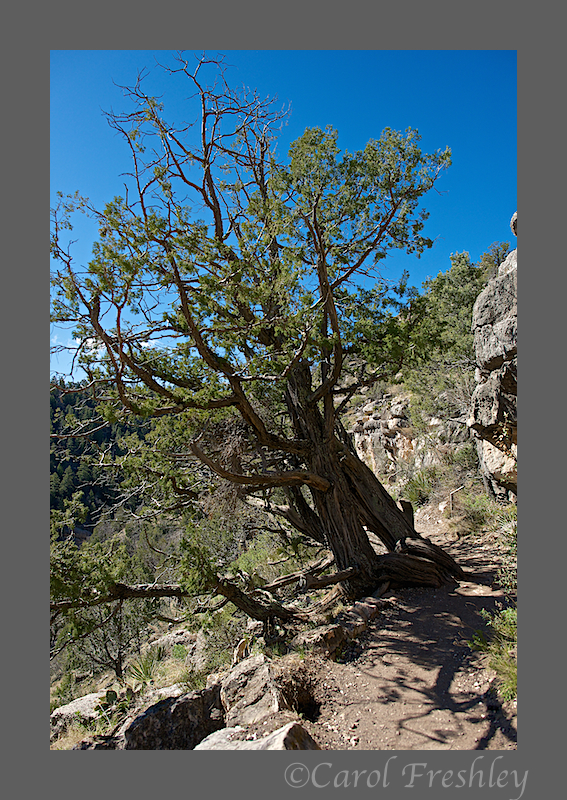
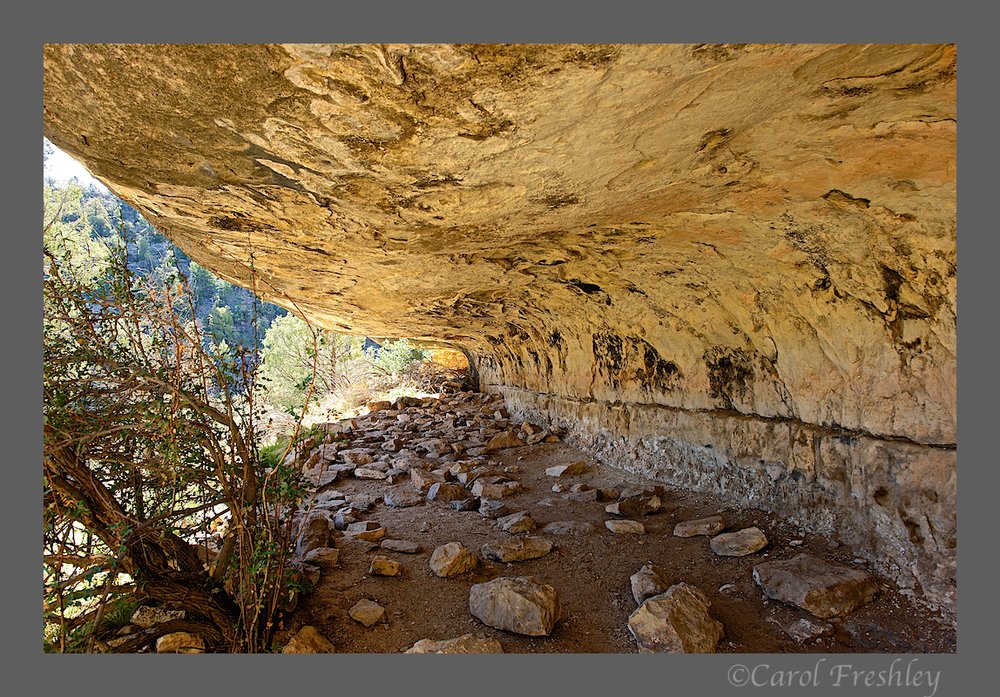
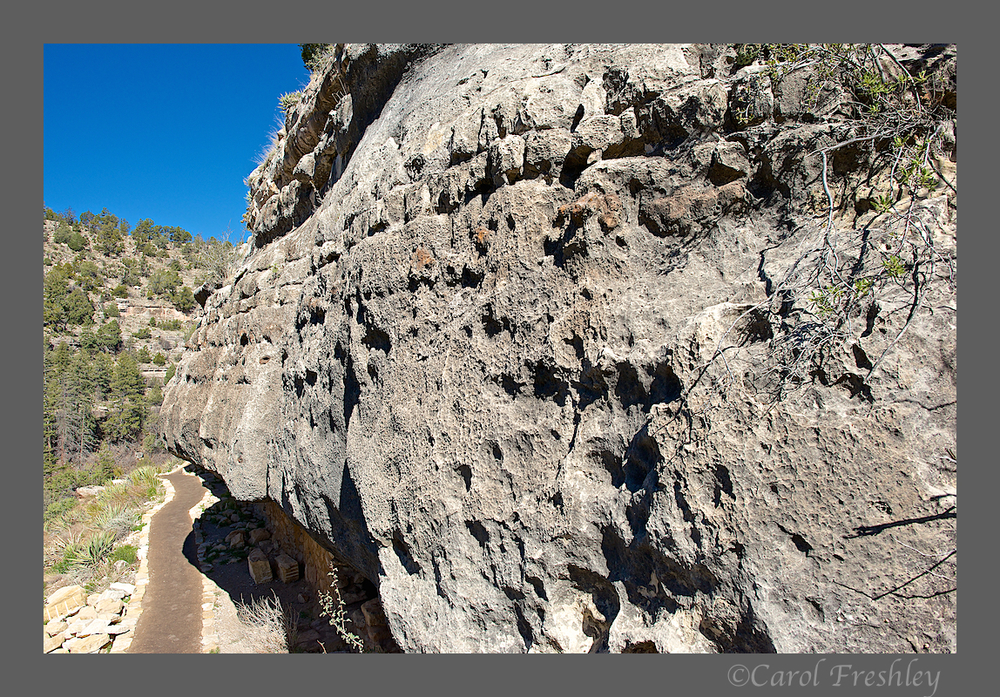
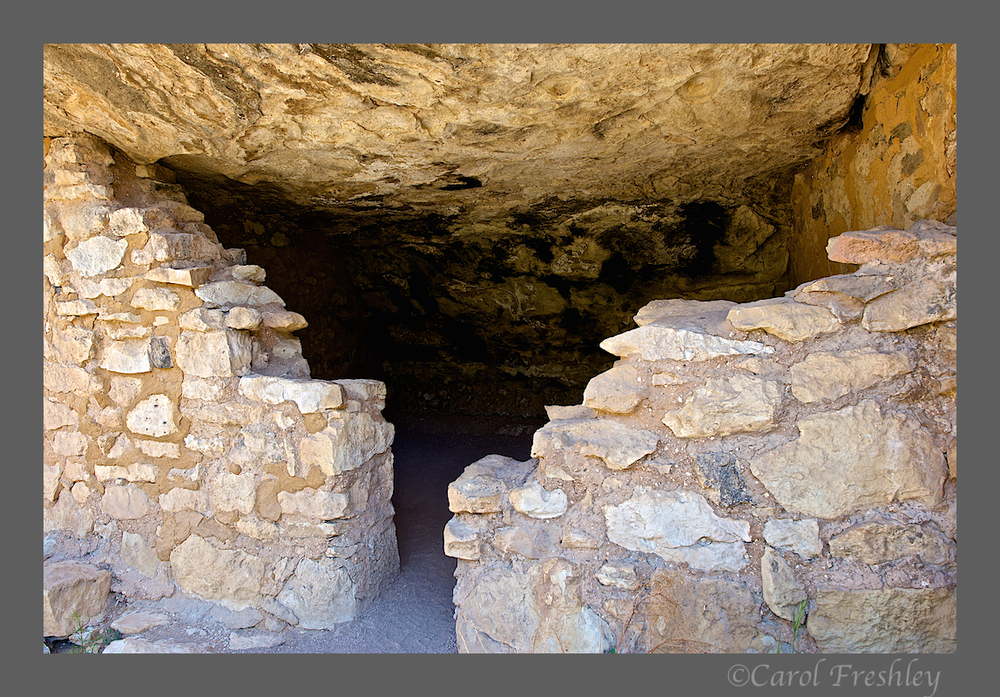
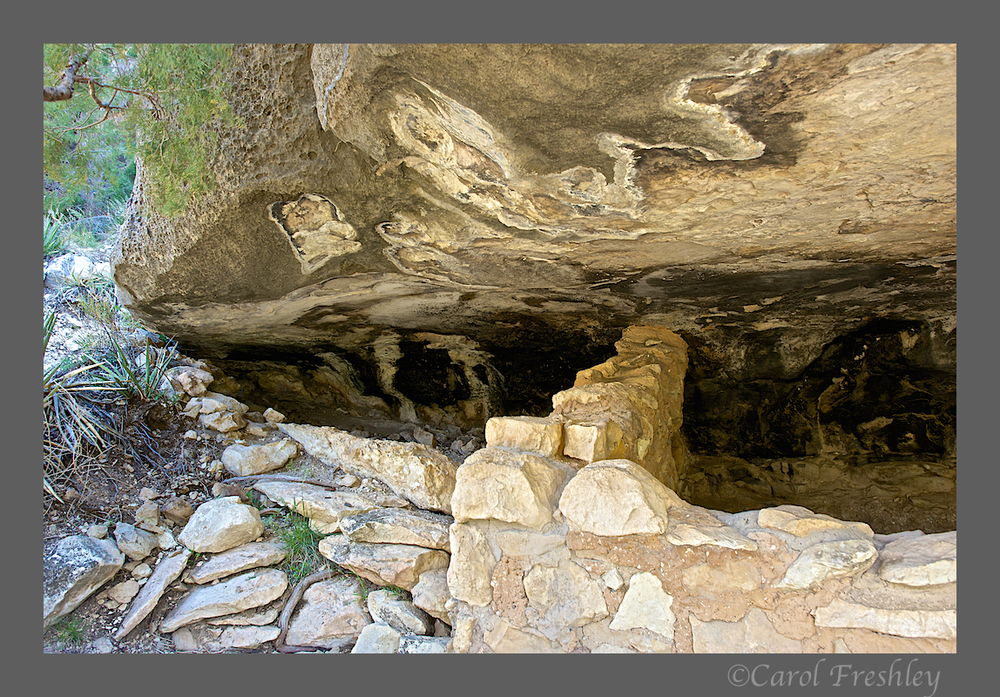
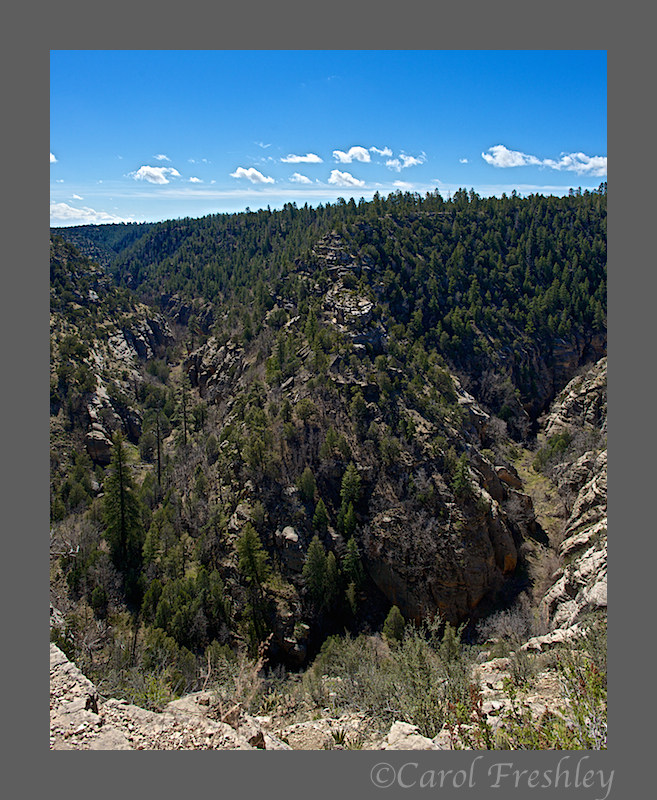
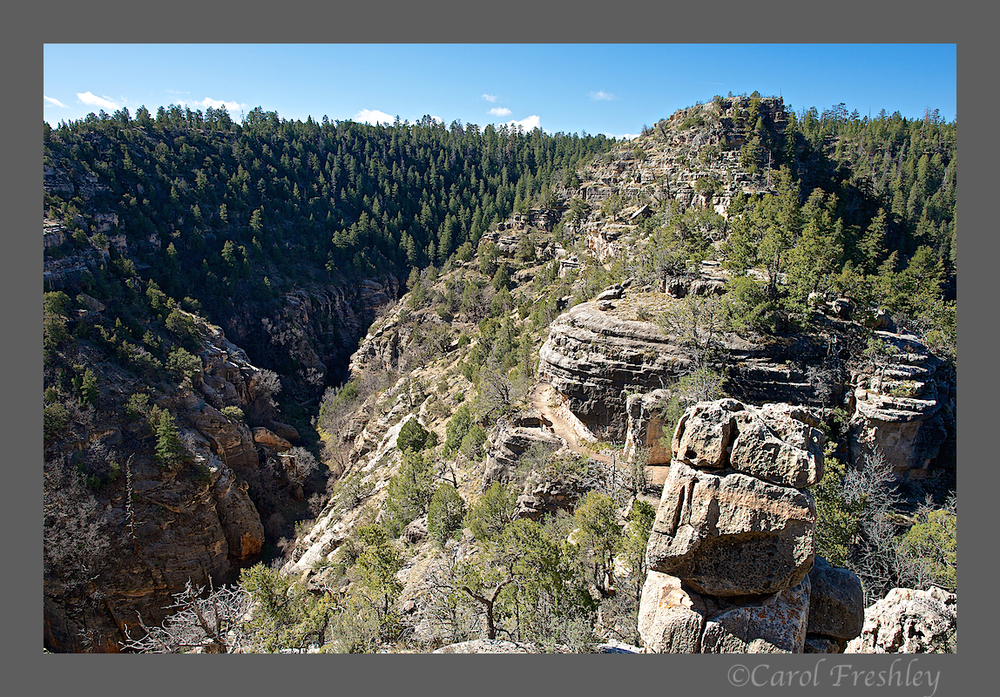
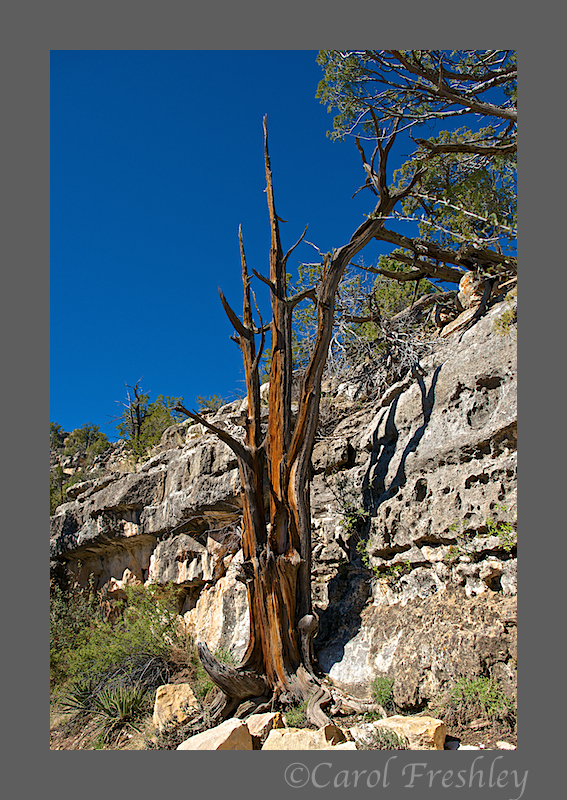
The Visitor Center is filled with information and displays. There is even a movie that shows the history and culture of Native Americans in this area. But, the best part is found in hiking the short trail that passes by junipers, allows you to peer over the edge into the canyon and takes you to some partially restored dwellings.

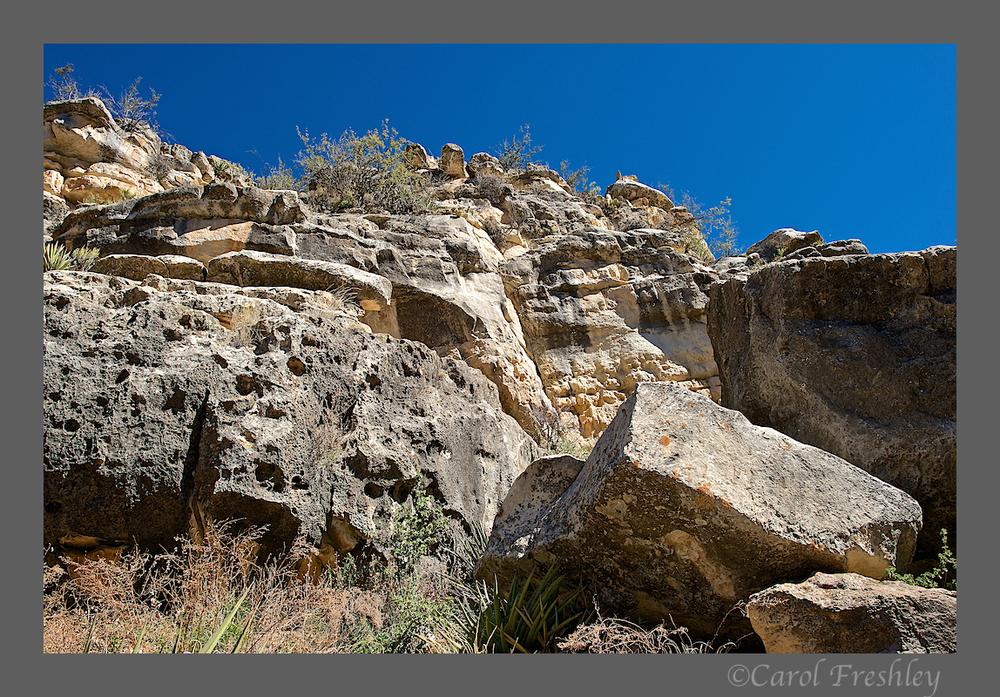
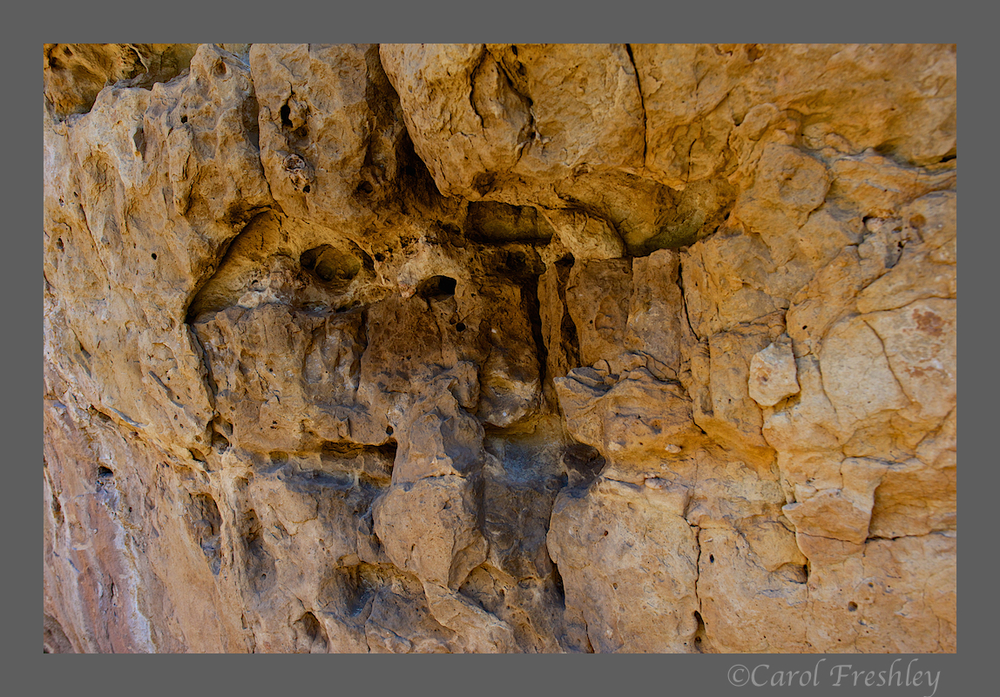
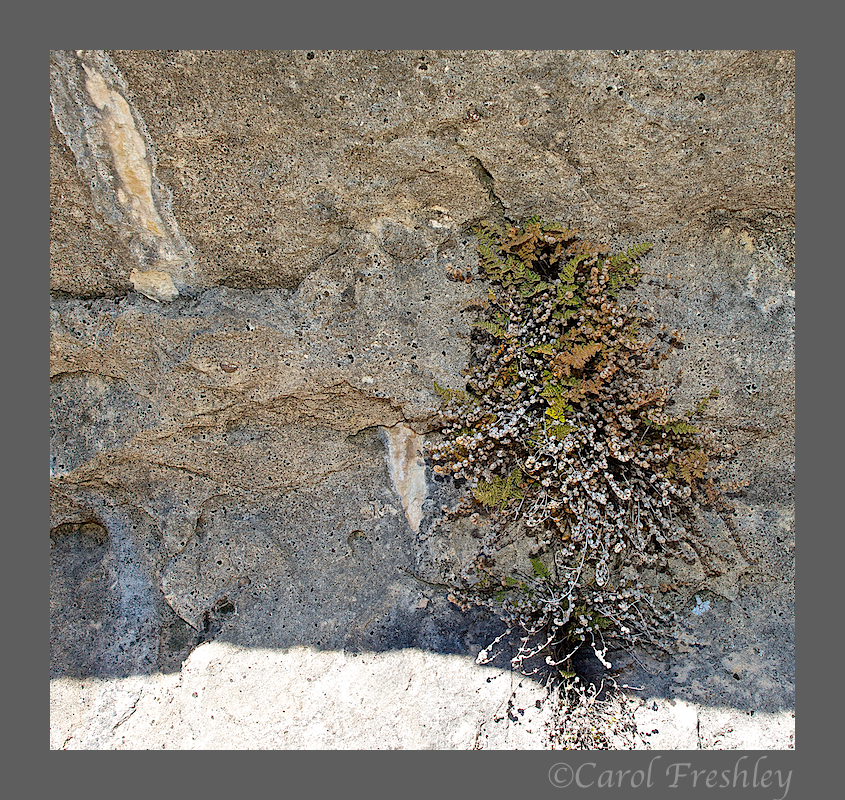
I very much enjoyed the many textures of the rock. The canyon is young, as canyons go, and you are warned at the Visitor Center that there are still rock slides. Knowing this makes the hike a bit more adventurous as I would look up and hurry along, quickly, just in case one of the larger boulders should decide to take a quick downhill ride to the creek bed. The junipers were especially interesting, much more so than the pines.

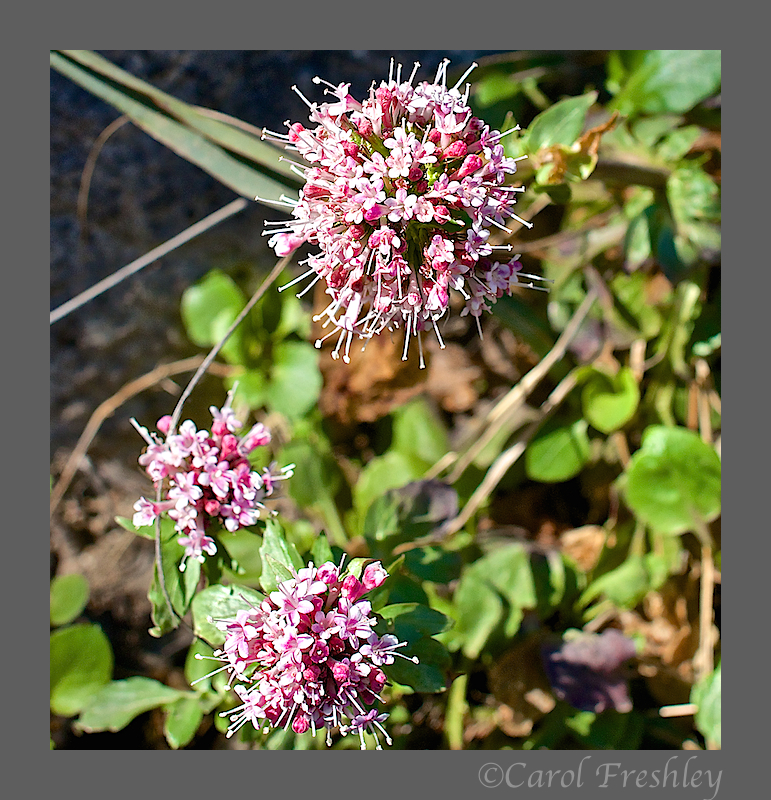
The creek no longer runs in the Canyon, having been dammed off upstream. But, it looked to me that it was beginning to develop into a 'horse-shoe'. There are two very distinct ecosystems, the west or shadier side having pines and the east and sunnier side having the junipers. There are some early spring wildflowers and lots of birds. The path is easy to navigate and if you take your time, not a bad hike at all . . . lots of steps and handrails.

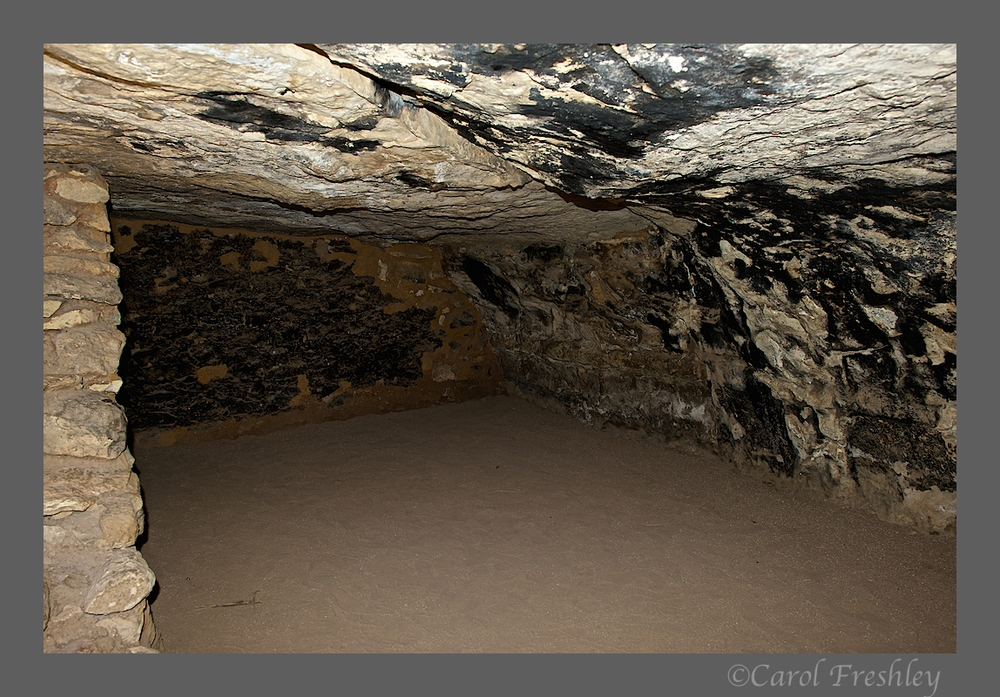
All photos were taken with my Nikon D800 with the 24mm f/1.8 Nikkor prime lens. I kept the aperture at 8 and adjusted the shutter speed based on the camera's matrix metering (some license here and there). I bracketed for security but did not need to use any of the bracketed images as I got the dynamic range I needed. I used the camera's on-board flash to illuminate one of the rooms from the doorway. Enjoy the photos.


Arrived safely in Albuquerque and looking forward to shooting some with my brother this weekend.

The comments option is now being left on most all of the time on the Short Trips blog. Many of you are sending me an email in appreciation of one or more photos and opening up the comments option seems like the best way to afford you an opportunity for sharing. If you choose to leave a comment it will be reviewed first (prevents spamming) and then posted quickly. All comments are very much appreciated.
Just When You Think

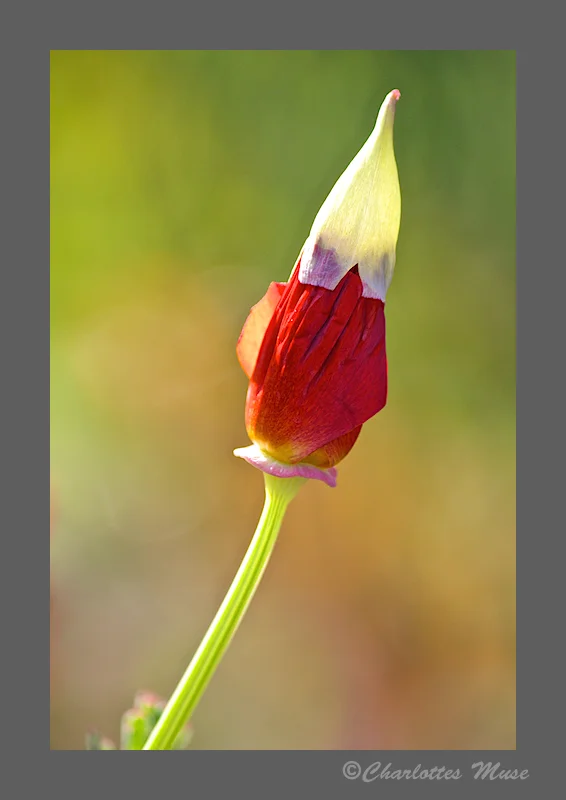
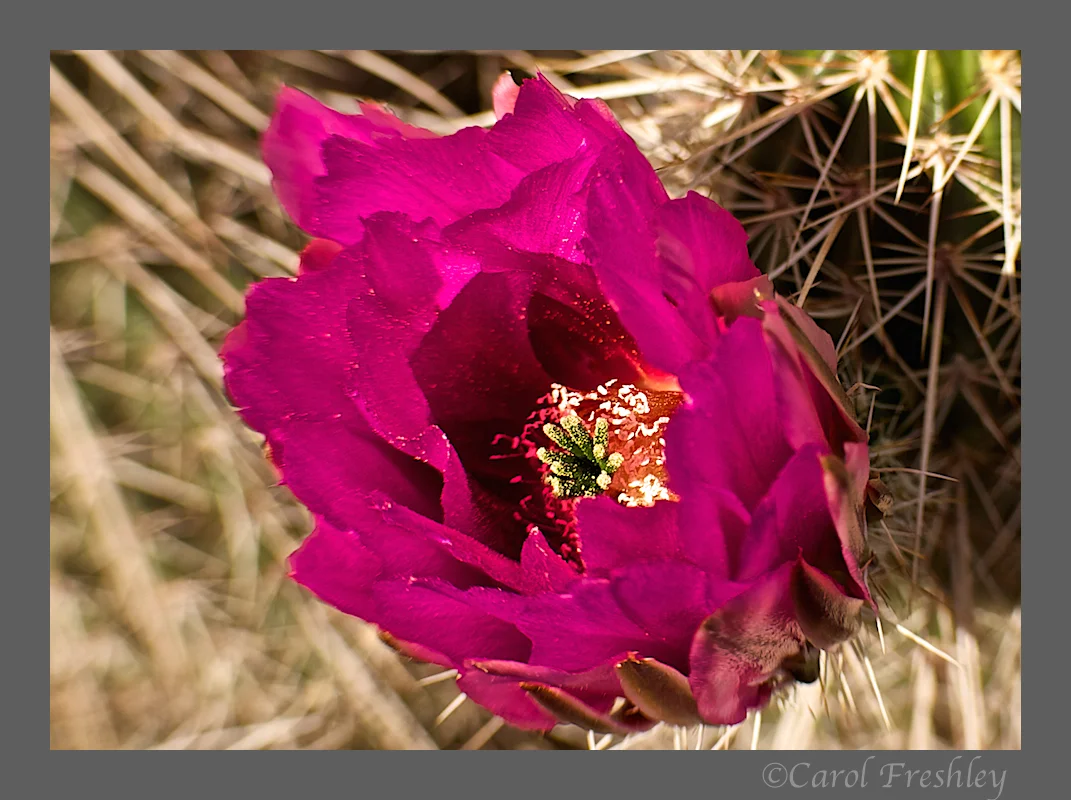
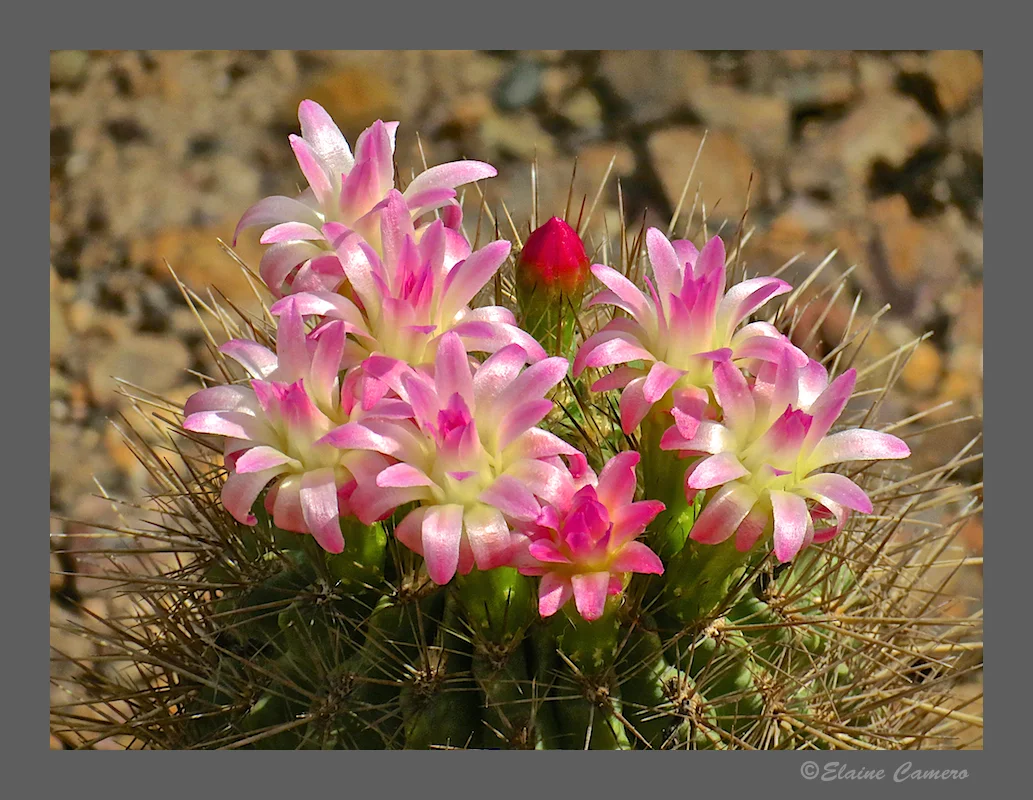
you have seen it all!  Well, I went back to Desert Botanical Gardens with friends. Elaine pulled a fast one! I have been to the Gardens so many times and I have never, ever seen this cactus flower.  And I did not spot it that day either. Now I will have to go back real soon and look for it. Just gorgeous!!!

IMG_9142.jpg

No metadata on this post. All but two of my photos were shot with my Nikon Df and my Sweet 35 Lensbaby. Both Karen and Charlottes Muse shoot with Canons. Elaine uses a Canon Powershot. Proof that it is the photographer, not the camera that creates great photos!

KLP140322_0068.jpg
IMG_3258.jpg
CAF_9113.jpg

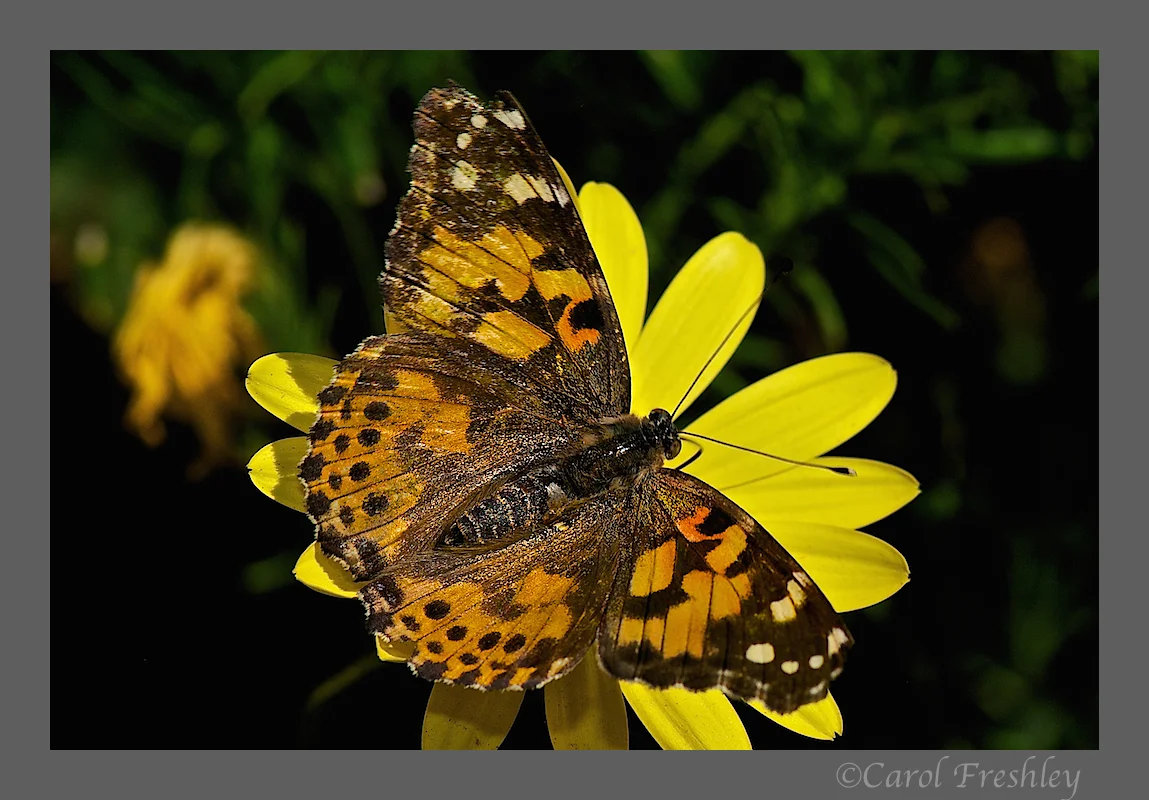
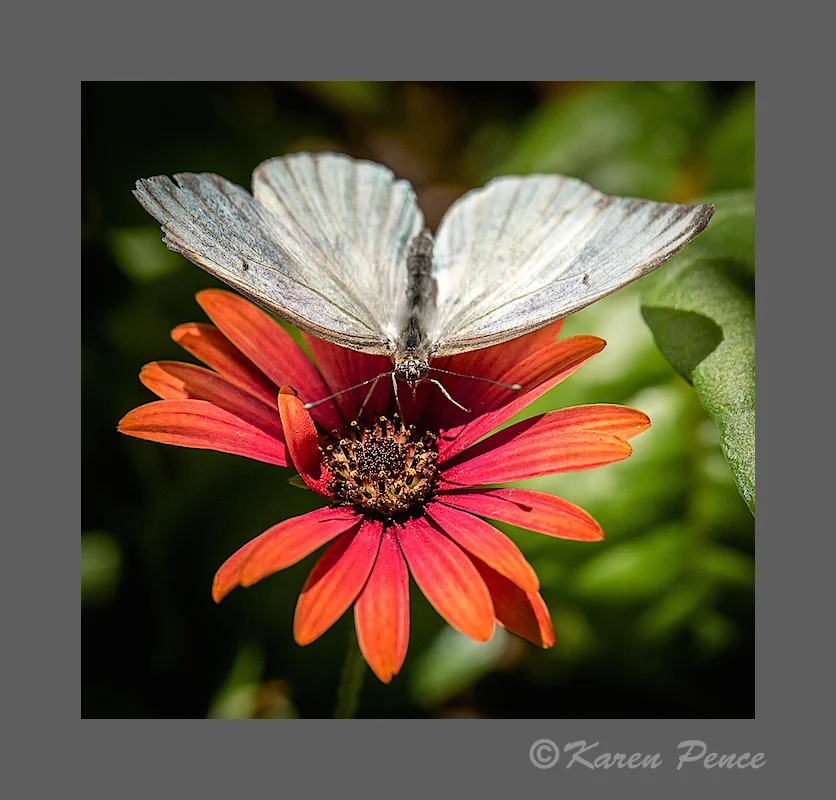
This one got free!  It was not in the butterfly exhibit.

DSC_0176.jpg
KLP140322_0053.jpg

Elaine finally got her robin photo.

IMG_9221.jpg
CAF_9137.jpg
KLP140322_0065.jpg
KLP140322_0119.jpg
KLP140322_0083.jpg
IMG_3801.jpg
CAF_9155.jpg
IMG_3344.jpg
CAF_9141.jpg
CAF_9242.jpg

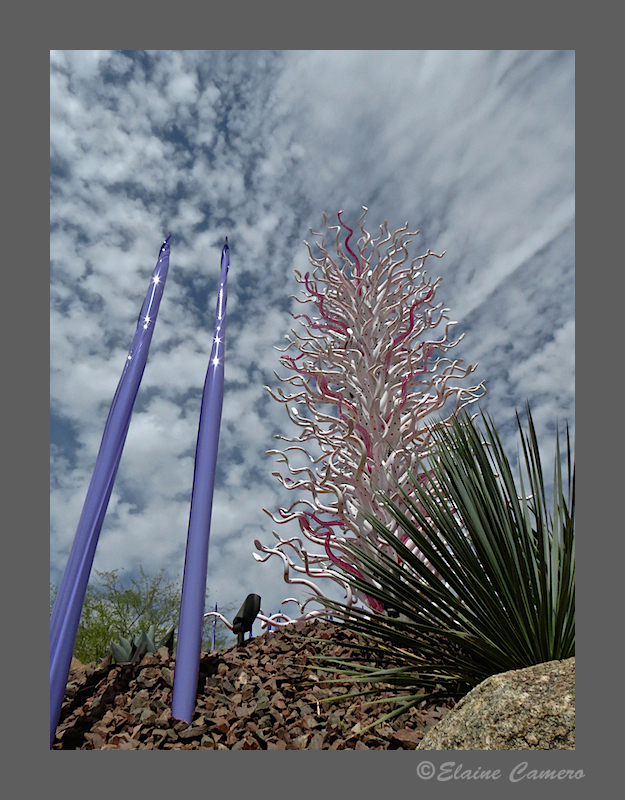
Then Elaine repeats. I have given up photographing this particular Chihully glass. I am so done with trying to be clever with it. Of course, I did not try it Elaine's way.  Nice goin' gal.

IMG_8599.jpg

To top it off, a very nice lunch at Gertrude's. 

One Afternoon, Two Museums

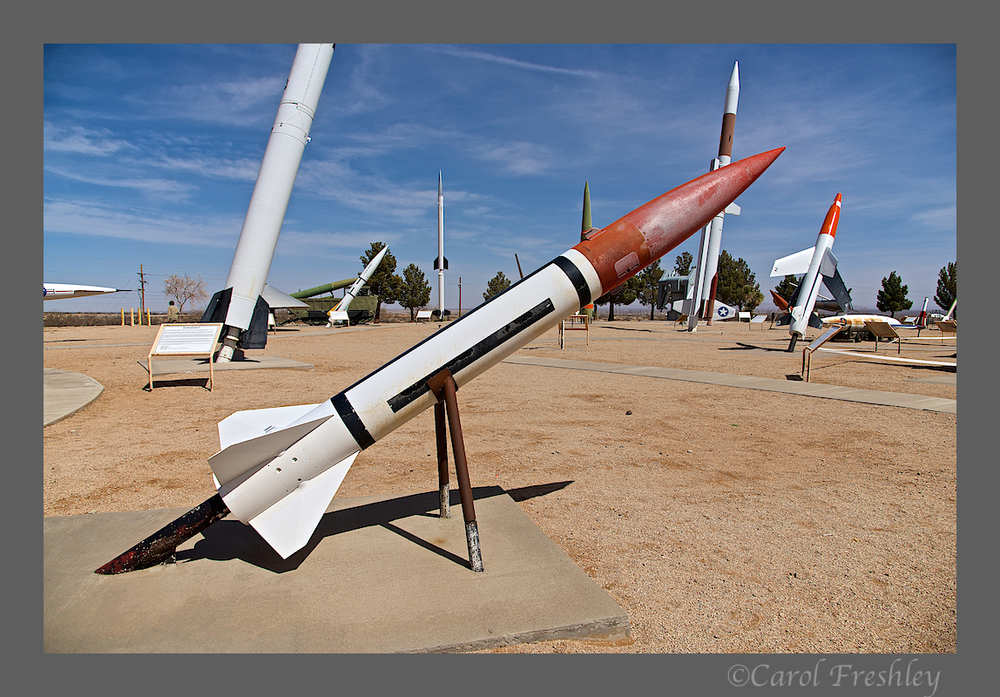
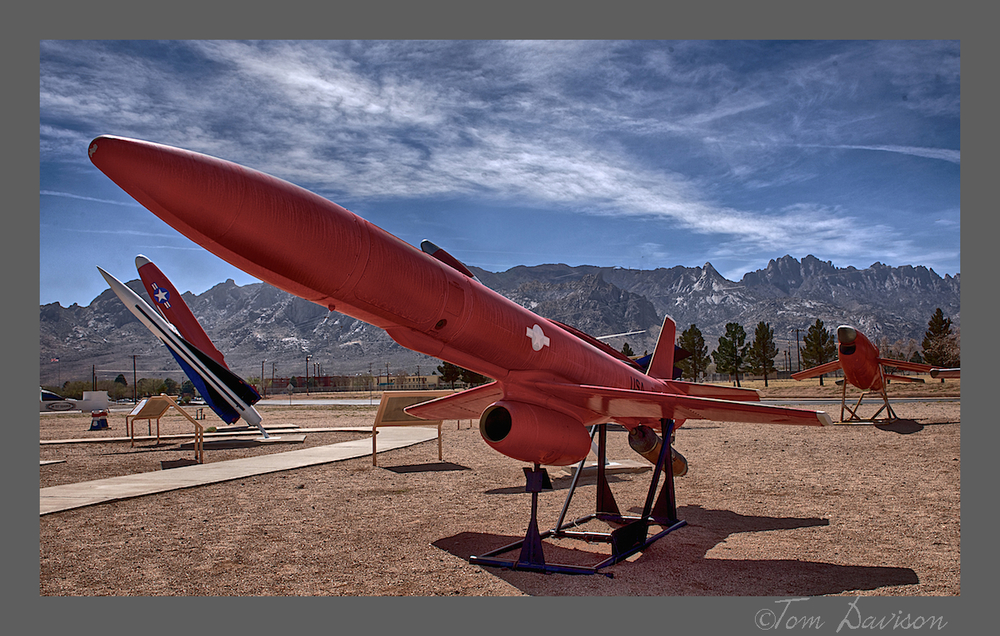
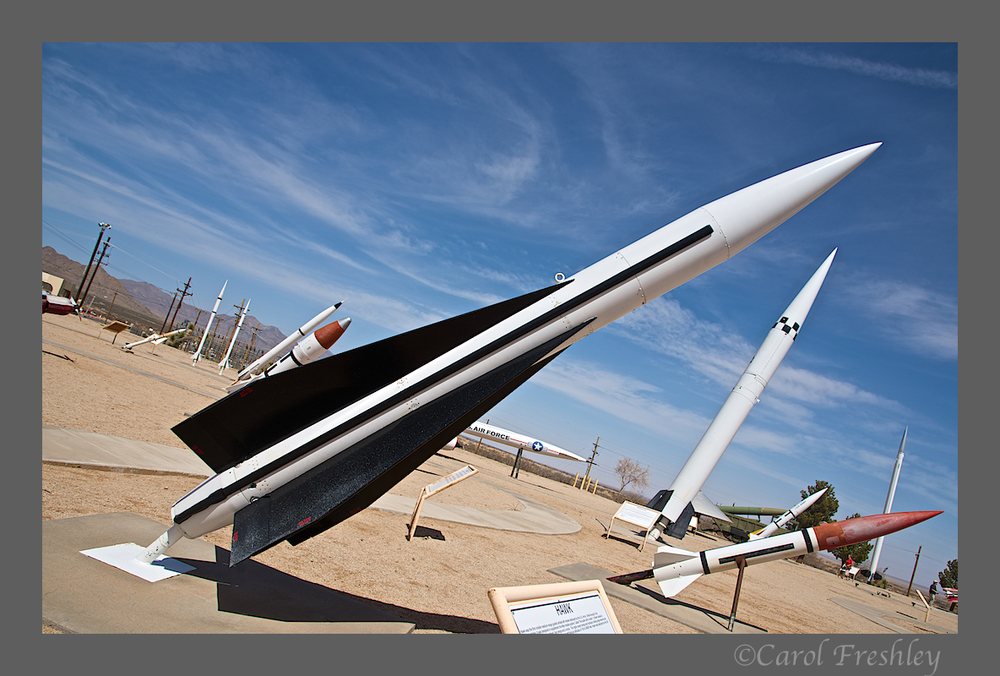
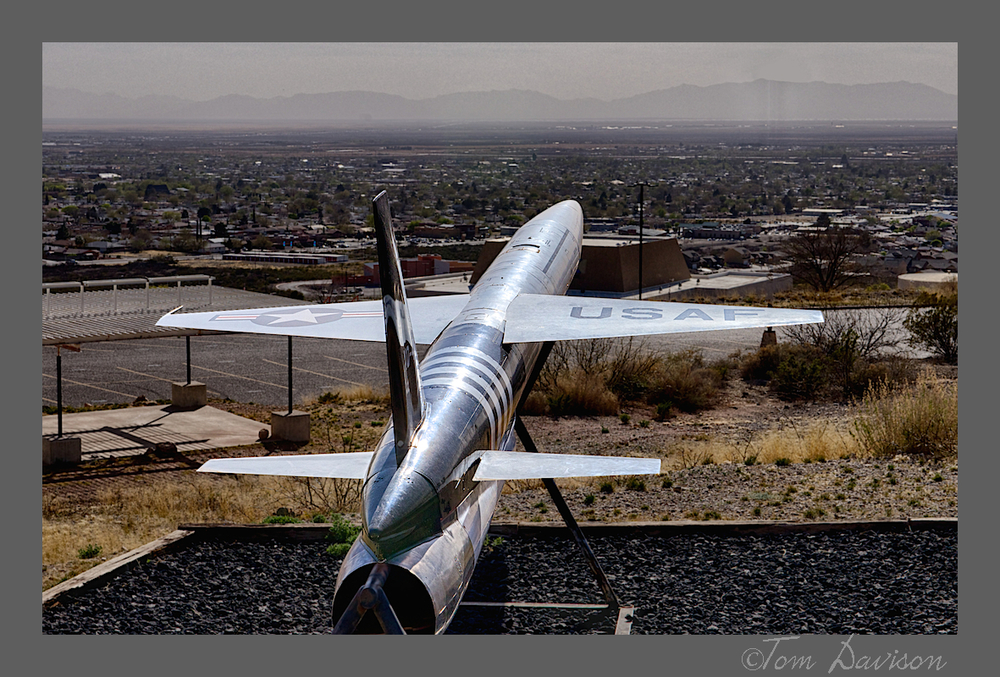
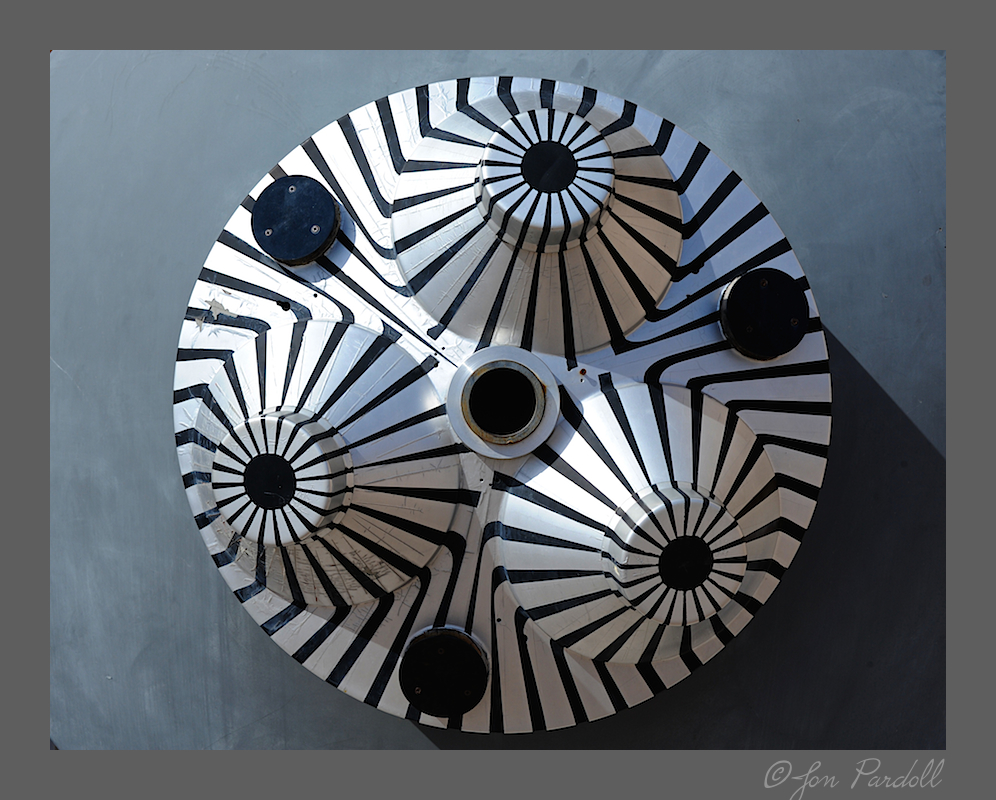
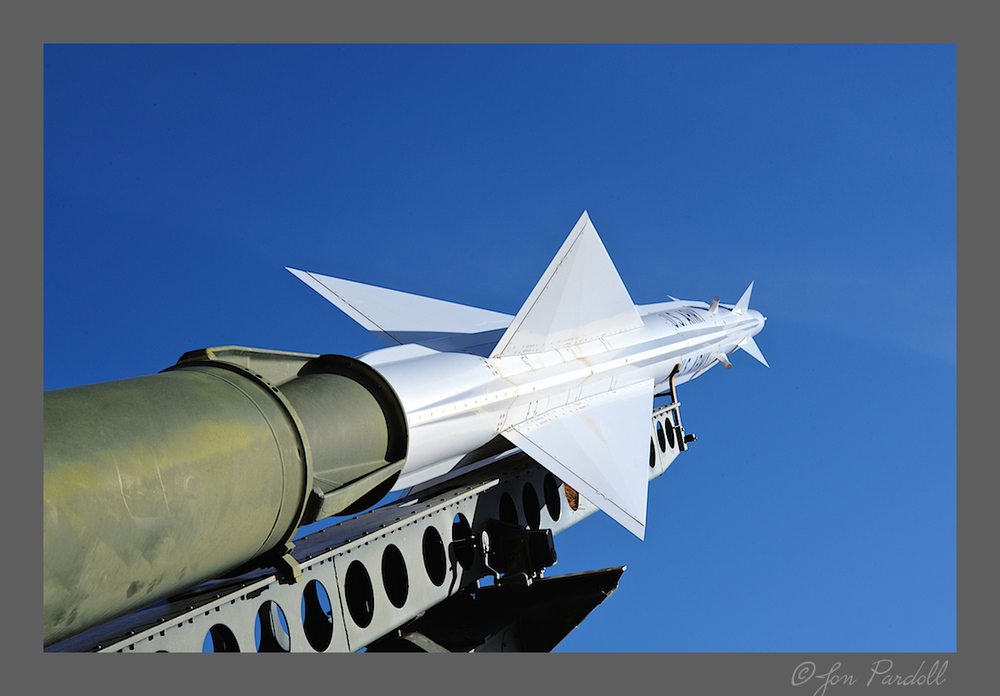
First up, the White Sands Missile Range Museum. It was established in 1999 and is comprised of a small building housing historical information about missiles and an outside park with missiles that have been tested at the missile range. Personally, I found the outside park the more interesting but it is in a state of disrepair, with many of the missiles damaged. The museum is actually located on the missile range so be prepared to hand over your Driver's License so they can run a security check on you before allowing you to proceed through the gate.

ISO 100, f/8, 1/640 at 24mm with Nikon D800 and 24-120mm Nikkor lens.

ISO 200, f/13, 1/125 at 24mm with Nikon D600 and 24-70mm Nikkor lens. Processed in post as an HDR.

So what is a girl to do when she takes only one lens and the missile just does not fit into the frame and she is too tired to walk way back, especially when that would just add more stuff to the shot. Whine, whine. Nope, just take it diagonally corner to corner. Fits perfectly! Oh, that horizon thingie. Hmmm . . . try tilting your head. I am so busted with this shot!  LOL

ISO 100, f/8, 1/640 at 24mm with Nikon D800 and 24-120mm Nikkor lens.

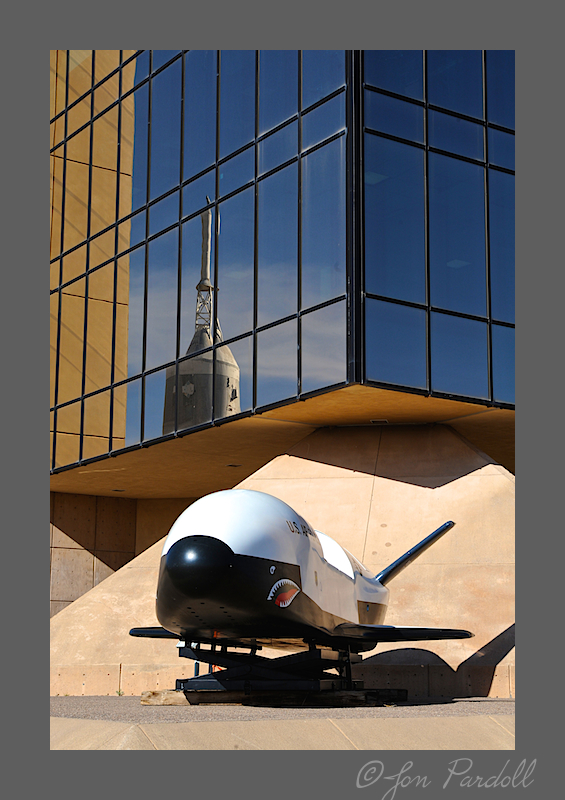
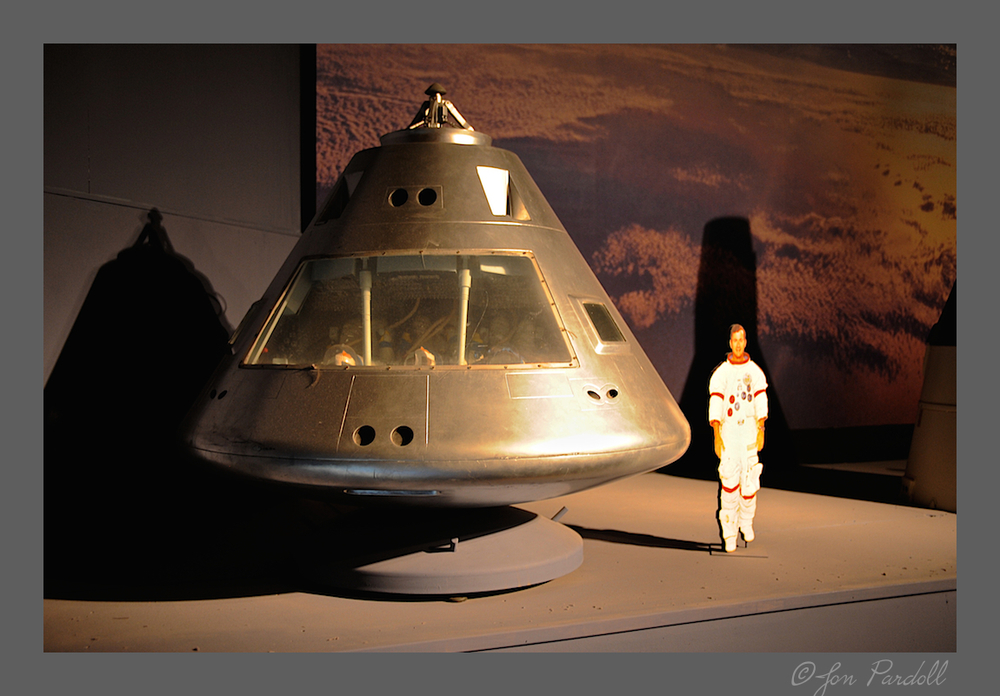
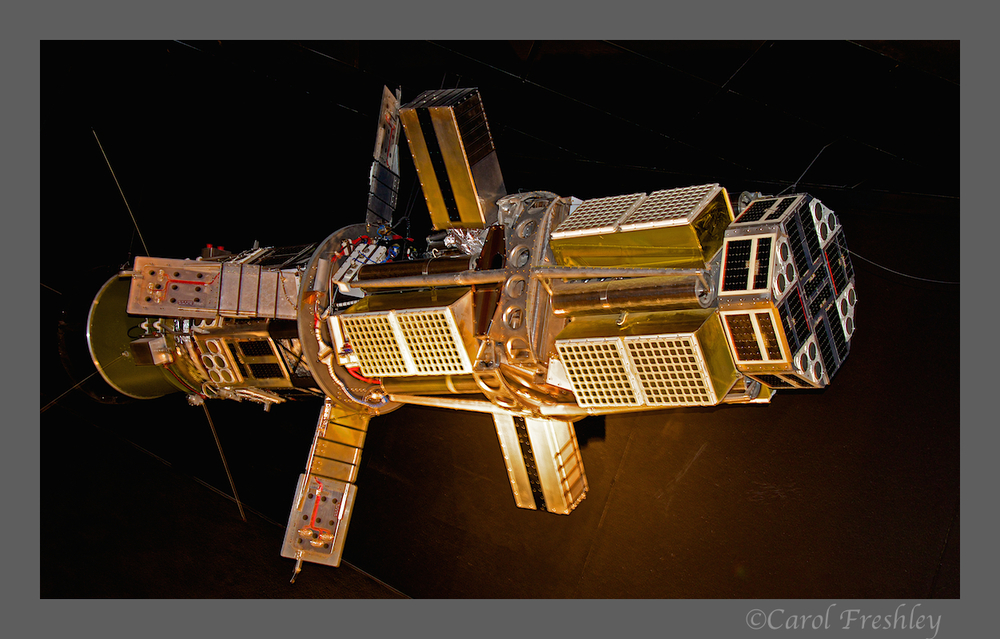
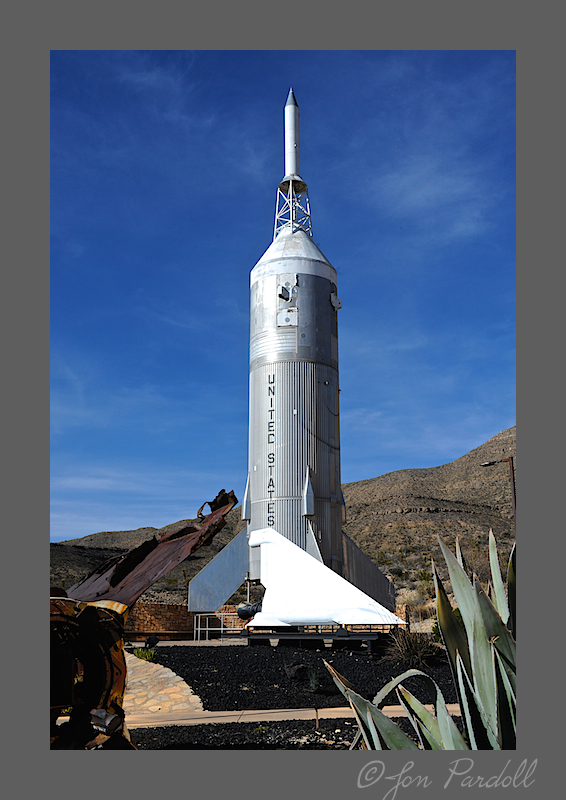
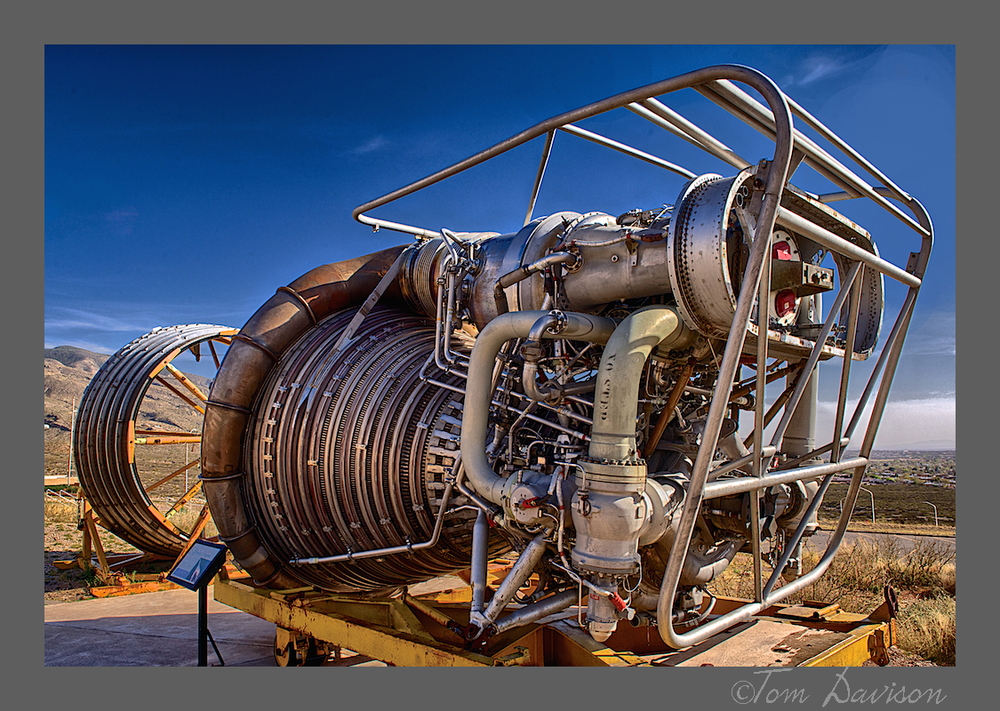
Then on to the New Mexico Museum of Space History. What a treat! Even if you have followed America's space program since its beginning you are sure to find new information, displays and actual pieces and parts of space exploration.

ISO 400, f/13, 1/640, -0.67EV at 70mm with Nikon D700 and 28-70mm Nikkor lens.

ISO 400, f/14, 1/800, -0.67EV at 28mm with Nikon D700 and 28-70mm Nikkor lens.

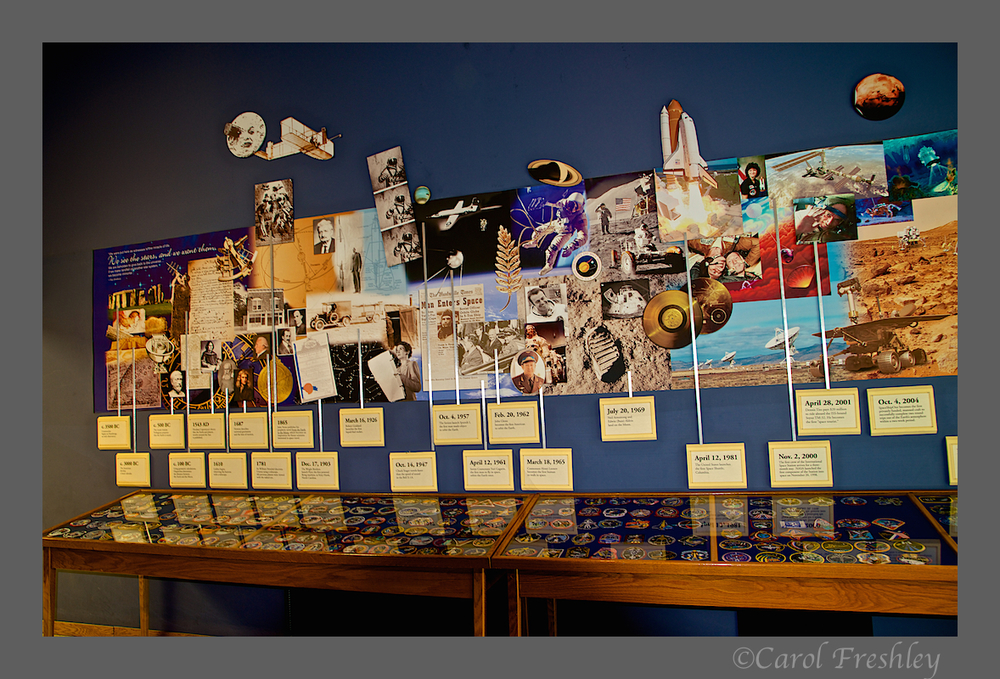
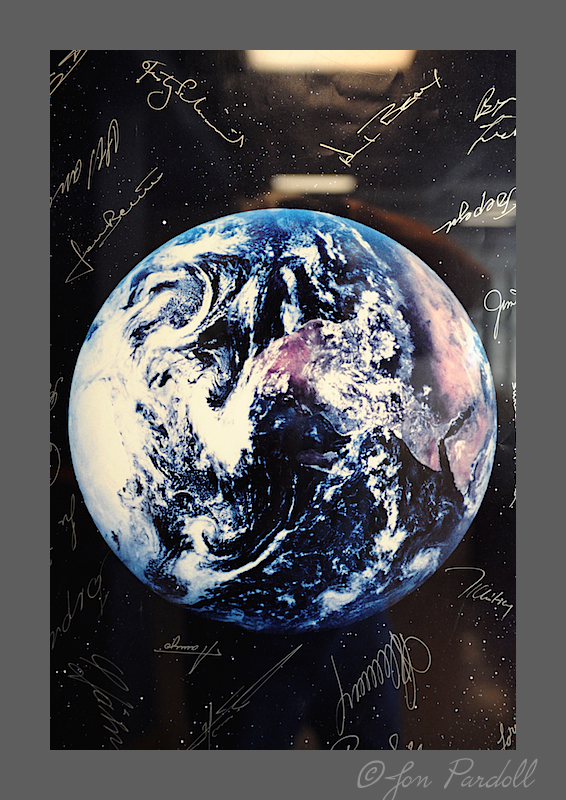
The first thing inside the building that got my attention was this timeline, only partially shown in the photo below. It gives a very good overview of the many players that have worked together over the years and the most significant events that led to our current space exploration. The badges, representing different organizations, are shown in the display case. Just amazing!

ISO 100, f/8, 1/4 (now why did I not up the ISO??), at 24mm with Nikon D800 and 24-120mm Nikkor lens.

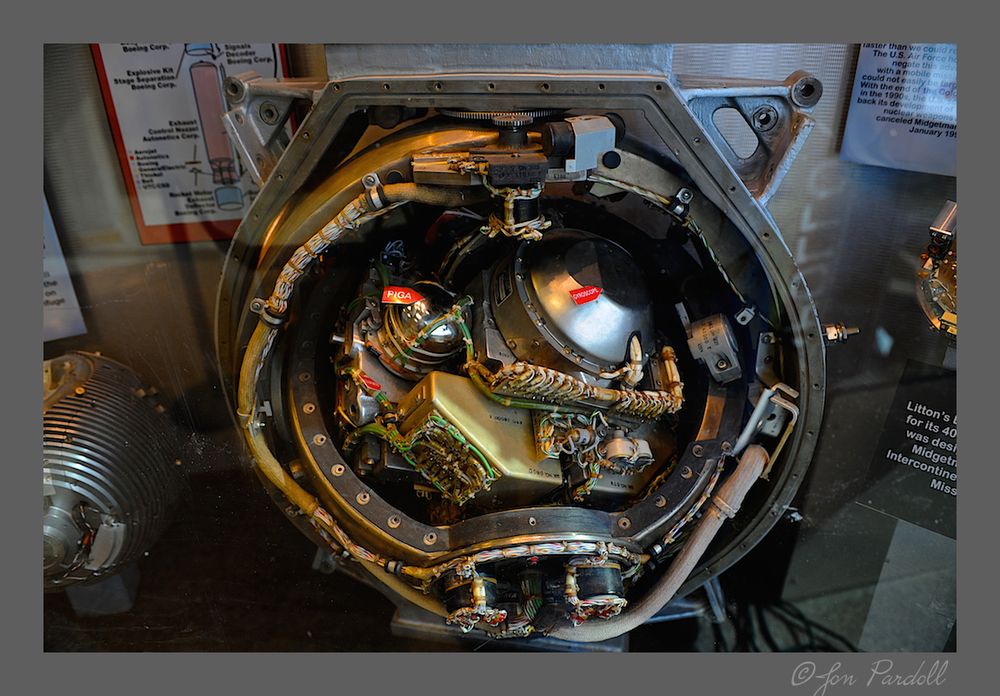
After that it is just exhibit after exhibit with lots of explanations. 

ISO 400, f/4.5, 1/80, -0.67EV at 28mm with Nikon D700 and 28-70mm Nikkor lens.

ISO 1250, f/3.2, 1/40 at 40mm with Nikon D700 and 28-70mm Nikkor lens.

ISO 800, f/8, 1/4, at 40mm with Nikon D800 and 24-120mm Nikkor lens.

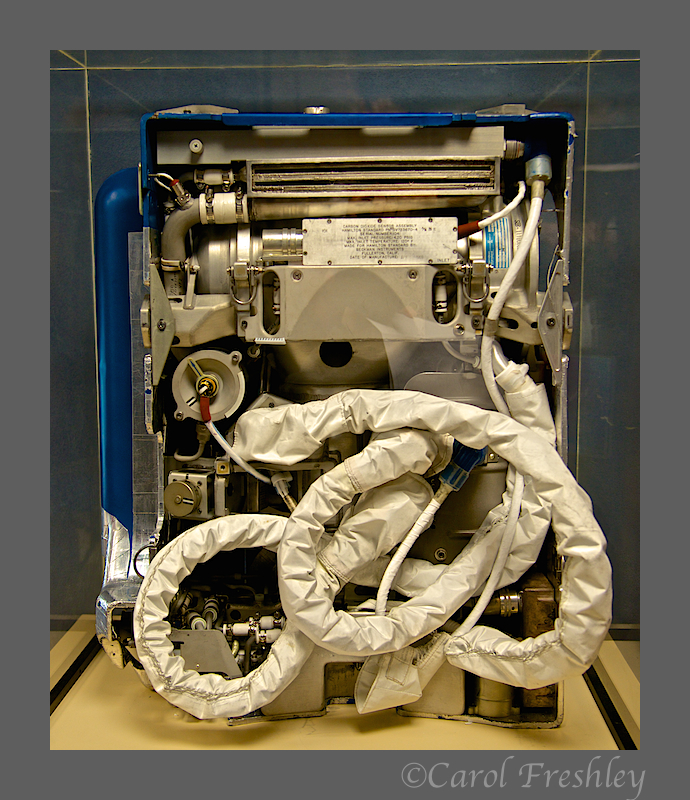
The photo below is of a system that is similar to those worn by Apollo astronauts on the moon. It weighs 70 pounds and could sustain an astronaut for up to seven hours on the lunar surface.

ISO 800, f/4, 1/80 at 35mm with Nikon D800 and 24-120mm Nikkor lens.

ISO 1250, f/4.5, 1/80 at 50mm with Nikon D700 and 28-70mm Nikkor lens.

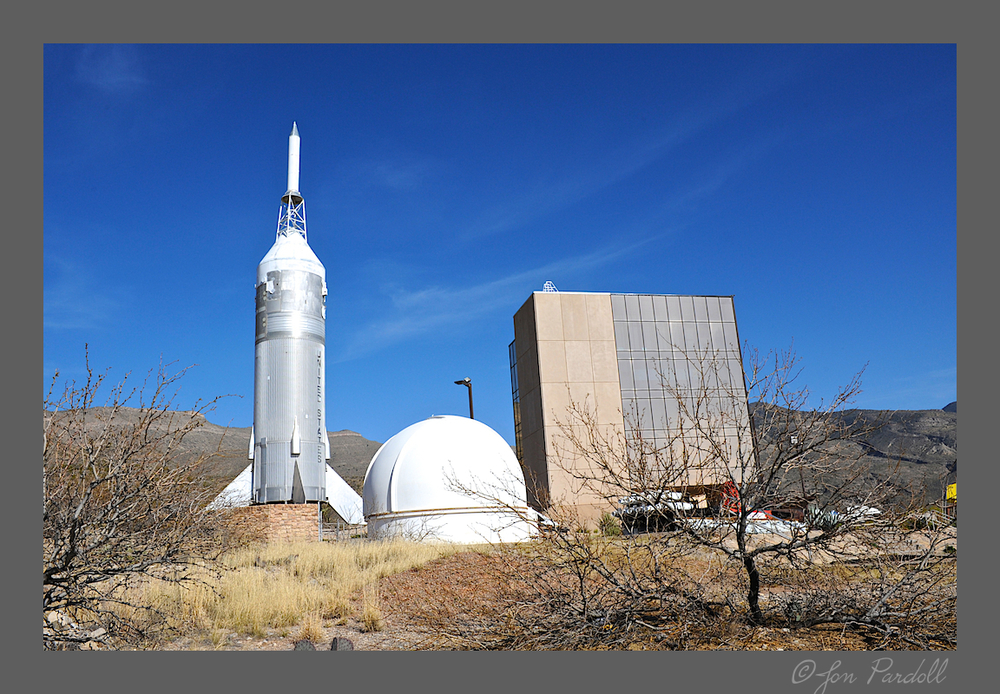
The museum is on a hill overlooking Alamogordo. Notice that lovely white sand haze. The mountains in the background are behind White Sands.

ISO 400, f/11 at 50mm with Nikon D600 and 24-70mm Nikkor lens. Processed in post as an HDR.

ISO 400, f/13, 1/640, at 45mm with Nikon D700 and 28-70mm Nikkor lens.

ISO 400, f/14, 1/800, -0.67EV at 42mm with Nikon D700 and 28-70mm Nikkor lens.

ISO 400, f/22, 1/320, -0.67EV at 70mm with Nikon D700 and 28-70mm Nikkor lens.

ISO 400, f/11, at 24mm with Nikon D600 and 24-70mm Nikkor lens. Processed in post as an HDR.

That's all folks.  We had fun.